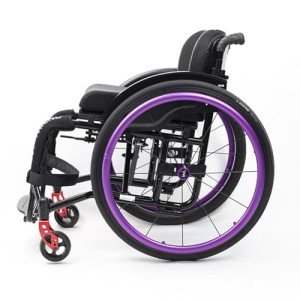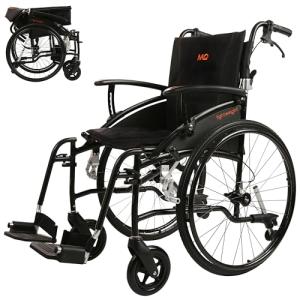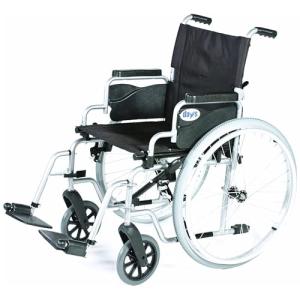





The landscape of mobility aids has underwent a significant transformation over the last decade. Moving away from the heavy, cumbersome designs of the past, the industry has pivoted toward high-performance engineering that prioritizes independence, style, and ease of transport. At the forefront of this evolution is the lightweight folding manual wheelchair equipped with sports wheels. This specific configuration offers a unique blend of portability and performance, catering to users who lead active lifestyles or require a chair that can keep up with the demands of modern urban living.
The Engineering Behind Lightweight Folding Frames
A manual wheelchair's frame is its skeleton, and the materials used dictate its overall weight and durability. Traditionally, wheelchairs were manufactured using heavy steel, making them difficult to propel over long distances and nearly impossible to lift into a vehicle for solo travelers.
Modern lightweight models typically employ aerospace-grade aluminum, titanium, or even carbon fiber. These materials allow the chair to weigh as little as 15 to 25 pounds while maintaining a high weight capacity. The "folding" aspect is achieved through sophisticated X-brace mechanisms or innovative scissor-fold designs that allow the chair to collapse into a slim profile. This portability is a critical factor for individuals who travel frequently by car or plane, as it eliminates the need for expensive vehicle modifications like lifts or ramps.
The Significance of Frame Material
| Material | Weight Benchmark | Durability | Best For |
|---|---|---|---|
| Standard Steel | Heavy (35+ lbs) | High | Clinical or temporary use |
| Aluminum Alloy | Moderate (25-30 lbs) | Medium-High | Everyday general use |
| Titanium | Lightweight (15-20 lbs) | Very High | Active users, long-term impact absorption |
| Carbon Fiber | Ultra-lightweight (under 15 lbs) | High (Rigid) | Elite performance and ease of transport |
Why Sports Wheels are a Game Changer
While the frame provides the structure, the wheels are the primary point of contact with the world. Integrating "sports wheels" onto a folding manual wheelchair does more than just enhance aesthetics; it fundamentally changes the physics of movement.
Sports wheels are typically defined by their high-performance components. They often feature high-pressure pneumatic tires, double-walled rims, and precision-engineered hubs with high-quality bearings. Unlike standard solid rubber tires, sports tires offer lower rolling resistance, meaning the user exerts less force to travel a greater distance.
Structural Benefits of Sports Wheels
- Lightweight Spokes: Many sports wheels use radial or cross-laced patterns with lightweight alloys or fiber-reinforced materials to reduce rotational weight.
- Camber Options: Sports wheels are often set at an angle (camber). While extreme camber is reserved for athletes, a slight degree of camber in a daily chair increases lateral stability and makes the chair more responsive during turns.
- High-Pressure Tires: These tires minimize the surface area in contact with the ground, reducing friction and making it easier to navigate surfaces like carpets or soft outdoor terrain.
- Quick-Release Axles: Almost all wheelchairs in this category come equipped with quick-release axles, allowing the wheels to be removed in seconds with the push of a button.
Performance Comparison: Standard vs. Sports-Enhanced Models
To understand the value proposition of a lightweight chair with sports wheels, it is helpful to compare it directly to standard mobility solutions.
| Feature | Standard Manual Wheelchair | Lightweight Folding (Sports Wheels) |
|---|---|---|
| Average Weight | 35 – 45 lbs | 18 – 28 lbs |
| Wheel Connection | Fixed Axle | Quick-Release |
| Tire Type | Solid Rubber (Flat-free) | High-Pressure Pneumatic or Hybrid |
| Maneuverability | Requires significant upper body effort | Highly responsive; low effort required |
| Folding Width | 12 – 14 inches | 9 – 11 inches |
| Customization | Low | High (Adjustable center of gravity) |
Enhancing User Independence and Lifestyle
The primary goal of a lightweight folding manual wheelchair with sports wheels is to reduce the physical toll on the user’s shoulders and arms. Repetitive strain injuries are common among long-term manual wheelchair users; by reducing the weight of the chair and improving the efficiency of the wheels, the risk of these injuries decreases significantly.
Key Benefits for Active Users
- Improved Energy Conservation: Users can spend more time engaging in social or professional activities without experiencing premature fatigue.
- Ease of Transportation: The combination of a folding frame and quick-release sports wheels means the chair can fit into the trunk of a small sedan or even behind a car seat.
- Terrain Versatility: Sports wheels are designed to handle more than just flat linoleum. They perform better on hills, uneven pavement, and packed gravel.
- Aesthetic Appeal: Modern sports wheels often come in various colors and designs, allowing users to move away from the "medical look" and express their personal style.
Critical Considerations When Choosing a Model
Selecting the right wheelchair requires a balance between feature sets and personal biological needs. Prospective users should consider the following factors:
- Seat Width and Depth: Proper fit is essential to prevent pressure sores and ensure efficient propulsion. A chair that is too wide lacks support, while one that is too narrow will cause skin irritation.
- Center of Gravity (CoG): Many high-end lightweight chairs allow for the axle plate to be adjusted. Moving the center of gravity forward makes the chair more stable but harder to turn, while moving it backward makes the chair highly maneuverable and easier to "pop a wheelie" over curbs.
- Backrest Height: For active users, a lower backrest allows for a greater range of motion in the shoulders, which is necessary for the powerful strokes required by sports wheels.
- Footrest Configuration: Most folding chairs offer swing-away footrests for easy transfers, but some lightweight models have fixed front frames for increased rigidity.
Maintenance and Longevity
To ensure a lightweight wheelchair with sports wheels maintains its performance, routine maintenance is required. Because sports wheels often use pneumatic tires, maintaining proper air pressure is vital. Low tire pressure can double the effort required to push the chair.
Maintenance Checklist:
- Weekly: Check tire pressure and wipe down the frame to remove grit.
- Monthly: Inspect the quick-release axles for debris and ensure they click securely into place.
- Quarterly: Check for "play" or wobble in the casters (the small front wheels) and tighten hardware as needed.
Frequently Asked Questions (FAQ)
What makes a wheelchair "lightweight"?
Generally, any manual wheelchair weighing under 30 pounds is considered lightweight. High-performance models often fall into the "ultra-lightweight" category, weighing between 15 and 22 pounds.
Are sports wheels durable enough for daily outdoor use?
Yes. Despite their sleek appearance, sports wheels are engineered for high-impact use. However, pneumatic tires are susceptible to punctures, so many users opt for "marathon" tires with built-in puncture protection layers.
Can sports wheels be added to a regular folding wheelchair?
In many cases, yes, provided the axle diameter matches. However, the full benefits of sports wheels are best realized when paired with a lightweight frame that allows for center-of-gravity adjustments.
Does a folding chair sacrifice performance compared to a rigid chair?
Historically, yes. However, modern engineering has closed the gap. While a rigid frame is still the "gold standard" for energy transfer, high-end folding mechanisms are now so tight that the difference in performance is negligible for most daily activities.
Is insurance likely to cover a lightweight chair with sports wheels?
Coverage varies by provider. Most insurance companies require a "medical necessity" justification from a physical therapist or doctor, explaining why a standard weight chair would be detrimental to the user’s health or independence.
The lightweight folding manual wheelchair with sports wheels represents a pinnacle in personal mobility technology. It bridges the gap between clinical necessity and an active, uninhibited lifestyle. By choosing a device that prioritizes weight reduction and mechanical efficiency, users can protect their long-term physical health while enjoying the freedom to navigate the world with ease and style. Whether for daily commutes, travel, or light recreation, this configuration remains one of the most versatile and empowering tools available in the mobility market today.