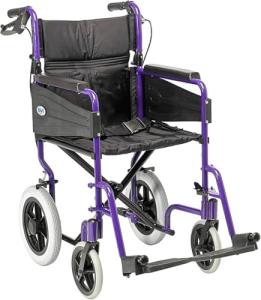





In the evolving landscape of personal mobility, the transition from bulky, purely utilitarian devices to sleek, portable, and aesthetically pleasing solutions has been transformative. Among the most popular innovations in this sector is the lightweight folding mobility scooter. Specifically, the emergence of the purple folding scooter has captured the attention of users who refuse to compromise on either functionality or personal style.
This guide explores the intricate details of these devices, examining why a lightweight folding mobility scooter—especially one in a vibrant shade of purple—is becoming the preferred choice for modern travelers and individuals seeking to maintain their independence.
The Rise of the Portable Mobility Solution
For decades, mobility scooters were synonymous with heavy steel frames, lead-acid batteries, and the requirement of a specialized vehicle lift for transport. However, the integration of aerospace-grade aluminum and lithium-ion battery technology has revolutionized the industry.
A lightweight folding mobility scooter is designed with one primary goal: effortless portability. Unlike traditional models that require disassembly into several heavy pieces, folding models typically collapse into a single, compact unit. This allows the user or a caregiver to stow the device in a car trunk, take it on a bus, or even check it in as luggage on a commercial flight.
Why Choose Purple?
While functionality is paramount, the psychological and social impact of color should not be underestimated. The color purple has long been associated with dignity, creativity, and independence. In a sea of clinical greys, blacks, and blues, a purple scooter makes a statement of personality.
Key benefits of opting for a purple finish include:
- High Visibility: A bright or deep purple hue is easier for motorists and pedestrians to spot in crowded environments, enhancing safety.
- Easily Identifiable: In locations like airports or cruise ship terminals, where many scooters may be parked, a purple device is instantly recognizable.
- Psychological Boost: Moving away from a "medical" look toward a "lifestyle" look helps users feel more confident and less defined by their mobility challenges.
Technical Specifications and Features
When evaluating a lightweight folding mobility scooter, it is essential to look beyond the color. The technical specifications determine how the device will perform in real-world scenarios, such as navigating narrow hallways or climbing gentle inclines.
Table 1: Standard Specifications for Premium Lightweight Folding Scooters
| Feature | Average Specification |
|---|---|
| Total Weight (without battery) | 42 lbs - 52 lbs |
| Weight Capacity | 250 lbs - 300 lbs |
| Maximum Speed | 4 mph - 5 mph |
| Travel Range | 10 - 15 miles per charge |
| Turning Radius | 31" - 40" |
| Battery Type | Lithium-ion (Airline Approved) |
| Folded Dimensions | Approx. 17" x 19" x 28" |
The Folding Mechanism: Manual vs. Automatic
One of the most significant decisions a buyer must make is choosing between a manual folding mechanism and a remote-controlled automatic system.
1. Manual Folding Scooters
Manual models are often lighter because they lack the additional motors required for auto-folding. They usually involve a simple lever or pull-string system that collapses the unit in three to five seconds.
- Pros: Lighter weight, fewer electronic parts to maintain, usually more affordable.
- Cons: Requires the user to bend down and exert some physical effort.
2. Automatic Folding Scooters
These models use a remote key fob or a button on the tiller to fold and unfold themselves.
- Pros: Ideal for users with limited dexterity or back pain; incredibly convenient for travel.
- Cons: Slightly heavier due to the internal folding motor; higher price point.
Portability and Travel Compliance
The "lightweight" aspect of these scooters is often paired with "Travel Readiness." For individuals who enjoy vacations, a purple folding scooter is a perfect companion.
- Airline Approval: Most lightweight scooters utilize lithium-ion batteries. It is crucial to ensure the battery is under 300Wh (Watt-hours) to comply with FAA and TSA regulations. Most manufacturers provide a "Material Safety Data Sheet" (MSDS) to facilitate easy boarding.
- Cruise Ships: The compact turning radius of these scooters makes them ideal for navigating narrow stateroom doors and crowded ship decks.
- Public Transit: Their ability to fold allows them to be tucked away in designated areas on trains and buses without obstructing the aisle for other passengers.
Comparing Lightweight Folding Scooters to Traditional Models
To understand the value proposition of a lightweight purple scooter, it is helpful to compare it to the standard transportable models of the past.
Table 2: Lightweight Folding vs. Traditional Breakdown Scooters
| Feature | Lightweight Folding (Purple) | Traditional Breakdown Scooter |
|---|---|---|
| Storage | Fits in most compact car trunks. | Requires a large trunk or SUV. |
| Assembly | None (folds as one piece). | 4 to 5 separate pieces. |
| Durability | High (Aluminum/Magnesium). | High (Steel). |
| Outdoor Terrain | Best for flat, paved surfaces. | Can handle light gravel/grass. |
| Style | Modern, sleek, vibrant colors. | Clinical, standard colors. |
Maintenance and Care for Longevity
To ensure that a purple mobility scooter remains in peak condition, a regular maintenance schedule should be followed. Because these devices are often used for travel, they are exposed to various environments.
Essential Maintenance Checklist:
- Battery Management: Charge the lithium battery after every use. Avoid letting it drop to 0% for extended periods.
- Tire Inspection: Most folding scooters use solid, flat-free tires. Check for debris or uneven wear regularly.
- Cleaning: Use a damp, soft cloth to clean the purple shroud. Avoid abrasive chemicals that might fade the paint.
- Hardware Check: Monthly, ensure that the folding joints and tiller adjustment knobs are tight and secure.
- Storage: Store the scooter in a cool, dry place. Extreme temperatures can affect battery health and electronics.
Frequently Asked Questions (FAQ)
1. How much does a lightweight purple folding scooter typically weigh?
Most models in this category weigh between 45 and 55 pounds including the battery. High-end carbon-fiber or magnesium alloy models can weigh as little as 35 pounds.
2. Is the purple color durable, or will it scratch easily?
Premium mobility scooters use high-impact ABS plastic or powder-coated aluminum. While scratches can occur with heavy use, the color is typically molded into the material or baked on to ensure long-lasting vibrancy.
3. Can I take my folding scooter on an airplane?
Yes, provided the battery is lithium-ion and meets the airline's capacity requirements (usually under 300Wh). Always check with your airline at least 48 hours before your flight.
4. What is the weight capacity for these scooters?
Despite their lightweight frames, most folding scooters can safely support between 250 and 300 pounds. Users exceeding this weight may need to look at heavy-duty folding models.
5. Are these scooters comfortable for long-day use?
Folding scooters prioritize portability, so their seats are often thinner than those on full-sized models. However, they are designed for several hours of use at a time. For all-day comfort, many users add a supplemental gel seat cushion.
The lightweight folding mobility scooter in purple represents the perfect intersection of form and function. It offers the freedom to traverse the world—from local parks to international airports—without the physical strain associated with traditional mobility aids. By choosing a device that is easy to fold, simple to transport, and visually striking, users can reclaim their independence with confidence and style.
Whether the priority is the ease of an automatic folding mechanism or the lightweight simplicity of a manual model, the modern purple scooter stands as a testament to how far mobility technology has come. It is no longer just a tool for movement; it is a gateway to a more active, vibrant, and independent life.