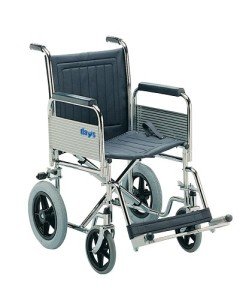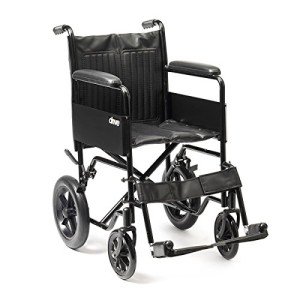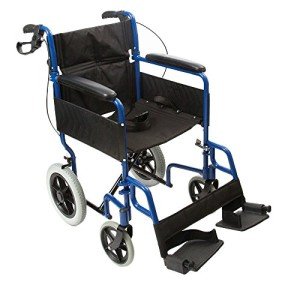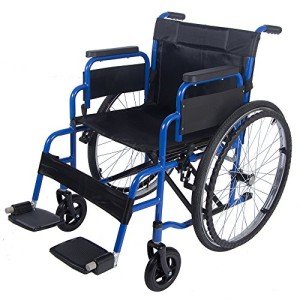


Mobility is a fundamental aspect of independence and quality of life. For individuals with limited mobility, the choice of a wheelchair can significantly impact their ability to navigate both private residences and public spaces. Among the various options available, the lightweight folding narrow 16" seat wheelchair stands out as a specialized solution designed for a specific demographic. This guide explores the features, benefits, and practical considerations of these compact mobility aids, providing an informative overview for users, caregivers, and healthcare professionals.
Understanding the 16-Inch Narrow Seat Specification
The "16-inch seat" refers to the width of the seating area between the armrests. While 18 inches is often considered the industry standard for adult wheelchairs, a 16-inch seat is tailored for individuals with a smaller frame.
Who is the Target User?
A narrow 16" seat is primarily designed for:
- Petite Adults: Individuals who find standard seats too wide, which can lead to poor posture and difficulty reaching the hand rims for self-propulsion.
- Teenagers: Young adults transitioning from pediatric chairs but not yet ready for full-sized adult models.
- Seniors with Narrower Hip Measurements: Many elderly users lose muscle mass or naturally have smaller skeletal frames, making a narrower seat more supportive and comfortable.
Choosing the correct seat width is crucial. If a seat is too wide, the user may slump to one side, leading to spinal misalignment or skin shear. Conversely, a seat that is too narrow can cause pressure sores on the hips and thighs.
The Advantages of Lightweight Materials
Modern engineering has transitioned away from heavy chrome-plated steel toward lightweight alloys. Most 16" narrow wheelchairs are constructed from high-grade aluminum.
Portability and Maneuverability
The "lightweight" designation typically implies a frame weight of between 25 and 34 pounds. This reduction in weight offers two primary benefits:
- Ease for Caregivers: Lifting a wheelchair into a car trunk or up a flight of stairs becomes significantly less strenuous, reducing the risk of back strain.
- Self-Propulsion Efficiency: For users who propel themselves, a lighter frame requires less force to initiate movement and maintain momentum, which preserves energy and reduces shoulder fatigue.
Navigating Tight Spaces: The "Narrow" Benefit
One of the most persistent challenges for wheelchair users is navigating indoor environments that were not designed with accessibility in mind. Older homes, in particular, often feature narrow doorways and cramped hallways.
Indoor Accessibility
A wheelchair with a 16-inch seat naturally has a narrower total width (the distance from the outer edge of one wheel to the other). While a standard wheelchair might have an overall width of 26 inches, a narrow 16-inch model often measures between 22 and 24 inches wide.
This difference is critical for:
- Bathroom Access: Many bathroom doors are narrower than standard room doors; a narrow chair can often pass through without requiring door frame modifications.
- Kitchen Navigation: It allows for tighter turns between islands and counters.
- Public Transport: Easier boarding on buses, trains, and within narrow airplane aisles during pre-boarding.
Comparison Table: Standard vs. Narrow Lightweight Wheelchairs
| Feature | Standard Lightweight Wheelchair | Narrow 16" Folding Wheelchair |
|---|---|---|
| Seat Width | 18" - 20" | 16" |
| Typical Total Width | 26" - 28" | 22" - 24" |
| Average Weight | 32 - 38 lbs | 25 - 32 lbs |
| Ideal User Weight | 150 - 250 lbs | 100 - 200 lbs |
| Primary Use Case | General adult use | Petite adults/Interior navigation |
The Folding Mechanism: Storage and Travel
The "folding" aspect of these wheelchairs typically utilizes a "cross-brace" or "X-frame" design. By pulling up on the seat upholstery, the sides of the chair collapse toward each other.
Benefits of the Folding Design:
- Compact Storage: When folded, these chairs can fit behind a sofa, in a closet, or in the narrow space behind a car's front seat.
- Travel-Friendly: For families who travel frequently, a folding chair is essential for air travel and road trips.
- Quick Assembly: Most models require no tools for folding or unfolding, making transitions from the vehicle to the pavement seamless.
Key Features to Consider
When selecting a lightweight folding narrow wheelchair, several components contribute to the overall user experience.
1. Removable or Flip-Back Armrests
For users who perform lateral transfers (moving from the chair to a bed or car seat), armrests that can be removed or flipped out of the way are essential.
2. Footrests and Leg Rests
Most narrow wheelchairs come with swing-away footrests. This allows the user to place their feet firmly on the floor when standing up or sitting down, preventing trips. Some models offer elevating leg rests, which are vital for users who need to manage edema or circulation issues.
3. Wheel and Tire Types
- Rear Wheels: Usually 22-24 inches for self-propulsion. Maintenance-free solid rubber tires are common, as they do not go flat.
- Front Casters: Smaller wheels that provide the steering. Larger casters handle outdoor bumps better, while smaller casters offer a tighter turning radius indoors.
4. Upholstery Materials
Breathable nylon is the preferred choice for lightweight models. It is durable, easy to clean, and prevents the buildup of heat and moisture, which is essential for skin health during long periods of use.
Maintenance and Longevity
To ensure the safety and longevity of a lightweight narrow wheelchair, regular maintenance is required.
- Tire Inspection: Check for wear and tear or debris stuck in the treads.
- Brake Checks: Ensure the wheel locks engage firmly and do not slip.
- Cleaning the Frame: Wipe down the aluminum frame with a damp cloth to prevent salt or dirt buildup, especially after outdoor use.
- Folding Joint Lubrication: Occasionally apply a silicone-based lubricant to the folding cross-brace to keep the mechanism smooth.
The lightweight folding narrow 16" seat wheelchair represents a perfect intersection of form and function for petite users and those living in compact environments. By prioritizing a smaller footprint without sacrificing durability or comfort, these chairs empower users to navigate their worlds with greater freedom. Whether for daily use in a private home or as a portable travel companion, the narrow-format wheelchair remains an indispensable tool in the field of mobility assistance.
Frequently Asked Questions (FAQ)
1. Is a 16-inch seat too small for most adults?
A 16-inch seat is specifically designed for users with a smaller skeletal frame. For an average-sized or larger adult, it may be too tight, potentially causing discomfort or pressure sores. It is always recommended to measure the user's hip width and add 1-2 inches to determine the ideal seat size.
2. Can these wheelchairs be used outdoors?
Yes, they are designed for both indoor and outdoor use. However, because they are lightweight, they may feel less stable on very uneven terrain (like gravel or thick grass) compared to heavy-duty or power wheelchairs. They perform best on paved surfaces, sidewalks, and indoor flooring.
3. What is the weight capacity of a 16" narrow wheelchair?
Most lightweight aluminum models have a weight capacity ranging from 250 to 300 pounds. Despite the "narrow" seat, the frames are engineered to be high-strength. Always check the manufacturer’s specific weight rating before purchasing.
4. Are these chairs covered by insurance or Medicare?
In many cases, mobility aids are covered under "Durable Medical Equipment" (DME) if prescribed by a physician as medically necessary. However, specific requirements regarding the "narrow" width may need to be justified by the healthcare provider based on the user's home environment or physical dimensions.
5. Do I need to assemble the wheelchair when it arrives?
Most folding wheelchairs arrive nearly fully assembled. The user or caregiver usually only needs to attach the footrests (which click into place without tools) and occasionally the backrest or seat cushion.
6. Can I self-propel in a narrow wheelchair?
Yes. As long as the chair features the large 22-24 inch rear wheels with hand rims, the user can self-propel. In fact, a narrower chair often makes self-propelling easier for petite users as the wheels are positioned closer to their body, allowing for a more ergonomic arm movement.