
Mobility is a fundamental aspect of human independence and quality of life. For individuals with limited mobility due to age, injury, or chronic medical conditions, the standard manual wheelchair has long been the primary solution. However, as medical technology evolves, so does the design of these essential devices. The lightweight folding recliner wheelchair with removable footrests represents a significant leap forward in combining ergonomic support, portability, and restorative comfort.
This guide explores the intricate features, health benefits, and practical advantages of these versatile mobility aids, providing a detailed look at why they have become a preferred choice for users and caregivers alike.
What is a Lightweight Folding Recliner Wheelchair?
A lightweight folding recliner wheelchair is a specialized mobility device engineered to provide the user with the ability to adjust the backrest angle, often from a standard upright position (90 degrees) to a semi-recumbent or fully reclined state (up to 180 degrees).
Unlike traditional heavy-duty reclining chairs, which can be cumbersome and difficult to transport, "lightweight" models are typically constructed from high-grade materials such as aluminum or reinforced alloys. The "folding" component ensures that the chair can be collapsed into a compact form, making it suitable for storage in small apartments or transport in vehicle trunks.
Key Components
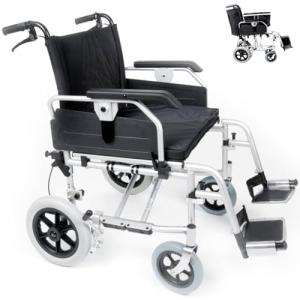
- High-Back Recliner: Provides head and neck support, essential for those who cannot maintain an upright posture for long periods.
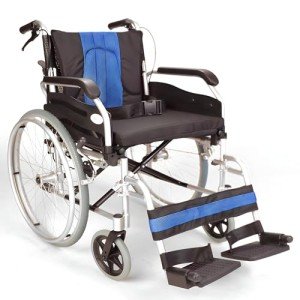
- Removable Elevating Footrests: These allow users to lift their legs to reduce swelling or remove the footrests entirely to assist with transfers or save space.
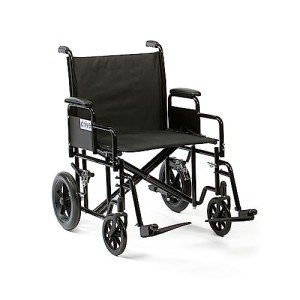
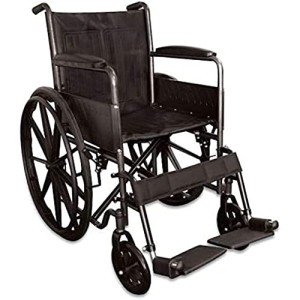
- Lightweight Frame: Often weighing significantly less than steel models, making it easier for caregivers to maneuver.
The Critical Importance of the Reclining Feature
For many wheelchair users, sitting in a fixed 90-degree position for several hours a day is not only uncomfortable but can lead to serious health complications. The ability to recline offers several physiological and psychological benefits.
1. Pressure Redistribution
One of the most significant risks for long-term wheelchair users is the development of pressure sores (decubitus ulcers). By reclining the backrest, the user's weight is redistributed from the ischial tuberosities (sit bones) to a larger surface area across the back and thighs. This prevents localized skin breakdown and improves blood flow.
2. Management of Orthostatic Hypotension
Some individuals experience a sudden drop in blood pressure when sitting upright for too long. Reclining the chair allows the user to lower their head and torso relative to their heart, helping to stabilize blood pressure and prevent dizziness or fainting.
3. Respiratory and Digestive Support
An upright position can sometimes compress the diaphragm, making it difficult to breathe deeply. Reclining opens up the thoracic cavity, facilitating better lung expansion. Furthermore, varying positions can assist in the digestive process by preventing the pooling of fluids and gases in the abdominal region.
The Versatility of Removable Footrests
While the reclining backrest focuses on the upper body, the footrests are vital for lower-body health. In a "lightweight folding recliner" model, these footrests are usually "elevating" and "removable."
Why "Removable" Matters:
- Easier Transfers: When the footrests are removed, the user can get closer to a bed, car seat, or dining table. It also removes a potential tripping hazard for both the user and the caregiver during standing transfers.
- Compact Storage: Removing the footrests significantly reduces the length of the wheelchair, allowing it to fit into tight spaces during travel.
- Customization: Some users prefer to use their feet to propel the chair (heeling). Removing the footrests allows their feet to reach the floor unobstructed.
Comparison: Standard Wheelchair vs. Lightweight Recliner Wheelchair
To better understand the value proposition of these chairs, consider the following comparison:
| Feature | Standard Manual Wheelchair | Lightweight Recliner Wheelchair |
|---|---|---|
| Backrest Support | Fixed height; usually ends at mid-back. | High-back; includes headrest and neck support. |
| Adjustability | Limited to height or armrest adjustments. | Backrest reclines from 90° to 160°/180°. |
| Weight Distribution | Heavy pressure on the pelvis and tailbone. | Distributed across the back, buttocks, and legs. |
| Footrest Type | Fixed or swing-away standard rests. | Elevating and fully removable. |
| Portability | Highly portable but less comfortable. | Foldable frame for transport with high comfort. |
| Weight of Chair | 30–40 lbs. | 35–45 lbs (Lightweight versions). |
Technical Specifications to Consider
When evaluating a lightweight folding recliner wheelchair, certain specifications determine the ease of use and the longevity of the device.
Frame Material
Aluminum is the gold standard for lightweight chairs. While steel is cheaper, it is prone to rust and significantly heavier. Aluminum frames are durable enough to support weight capacities ranging from 250 to 300 lbs while remaining manageable for transport.
Upholstery
Look for breathable, flame-retardant nylon or padded vinyl. Breathability is crucial to prevent overheating and moisture buildup, which can contribute to skin irritation during long periods of use.
Safety Features
- Anti-Tippers: These are small wheels at the back of the frame that prevent the chair from tipping backward when it is in the reclined position.
- Hand Brakes: Dual braking systems allow the caregiver to lock the wheels effortlessly.
- Safety Belts: Ensure the user remains securely seated, especially when the chair is tilted or moved over uneven surfaces.
Maintenance for Longevity
To ensure the safety and functionality of a folding recliner wheelchair, regular maintenance is required. Caregivers should adhere to the following checklist:
- Check Tire Pressure/Wear: If the chair has pneumatic tires, ensure they are at the correct PSI. If they are solid tires, check for flat spots or cracks.
- Lubricate Moving Parts: The reclining hinges and the folding cross-brace should be lubricated periodically to prevent squeaking and stiffening.
- Inspect Brakes: Ensure the locks engage firmly and the chair does not slide when the brakes are applied.
- Clean Upholstery: Use a mild disinfectant to wipe down the seat, backrest, and headrest to maintain hygiene.
- Tighten Fasteners: Check for loose bolts or screws, particularly on the armrests and footrests.
Who Benefits Most?
While anyone with mobility challenges can use these chairs, certain groups find them particularly beneficial:
- Seniors with Kyphosis: Those with a rounded back find the adjustable headrests and reclining options much more supportive.
- Post-Surgical Patients: Individuals recovering from hip or spinal surgery often require specific angles of elevation that a standard chair cannot provide.
- Individuals with Edema: The elevating footrests are essential for those who suffer from fluid buildup in the lower extremities.
- Caregivers: The folding and lightweight nature reduces the physical strain on caregivers during travel or daily errands.
The lightweight folding recliner wheelchair with removable footrests is more than just a piece of medical equipment; it is a tool for empowerment. By merging the comfort of a recliner with the portability of a traditional wheelchair, it addresses both the physical needs of the user and the practical needs of the caregiver. Whether it is used for a short-term recovery or long-term mobility management, this device ensures that comfort does not have to be sacrificed for mobility.
Frequently Asked Questions (FAQ)
1. Does insurance typically cover reclining wheelchairs?
In many cases, Medicare or private insurance will cover a reclining wheelchair if it is deemed "medically necessary." This usually requires a doctor’s prescription stating the user cannot maintain an upright position or requires specific pressure relief due to medical conditions.
2. How heavy is a "lightweight" reclining wheelchair?
Most lightweight reclining models weigh between 35 and 50 pounds. This is slightly heavier than a standard "ultra-lightweight" transport chair (which can be 20 lbs) but significantly lighter than old-fashioned steel recliner chairs that often exceeded 65 pounds.
3. Can the user operate the reclining mechanism themselves?
Standard reclining wheelchairs usually have the adjustment levers located on the push handles for a caregiver to operate. However, some specialized models feature side-access levers, though these are less common in the folding, lightweight category.
4. Are the footrests adjustable in height?
Yes, most removable elevating footrests have adjustable lengths to accommodate users of different heights, ensuring that the legs are properly supported without the knees being pushed too high.
5. Can this chair be used in a vehicle?
While the chair can be folded and stored in a trunk, it should not be used as a seat inside a moving vehicle unless it is specifically labeled as "Transit Tiedown Commission (TTC)" compliant. Most standard models are designed for transport to the vehicle, not for use during transit.