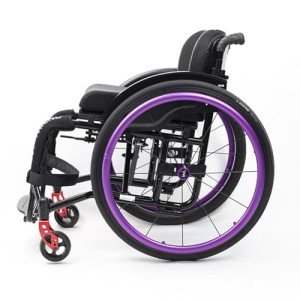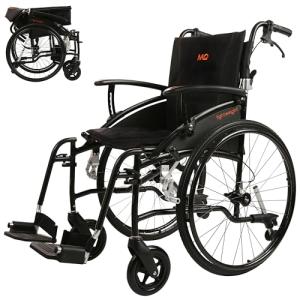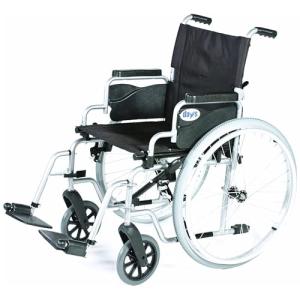

For individuals with limited mobility, the choice of a wheelchair is one of the most significant decisions regarding their daily quality of life. Traditionally, manual wheelchairs were categorized into two extremes: heavy, durable "standard" chairs that were difficult to transport, or flimsy "transport" chairs that required a caregiver to push. However, the emergence of the lightweight folding self-propelled portable wheelchair has bridged this gap, offering a blend of independence, durability, and convenience.
This guide explores the features, benefits, and technical considerations of these modern mobility aids, providing a comprehensive resource for users, caregivers, and healthcare professionals.
Understanding the Lightweight Self-Propelled Category
A self-propelled wheelchair is characterized by its large rear wheels, which are equipped with hand rims. This enables the user to propel themselves without external assistance. When these devices are crafted from lightweight materials like high-grade aluminum or titanium and designed with folding mechanisms, they become "portable."
The primary goal of a lightweight folding self-propelled wheelchair is to maximize the user's autonomy while minimizing the physical strain on both the user (during propulsion) and the caregiver (during transport and storage).
Key Features of Modern Portable Wheelchairs
Modern engineering has allowed manufacturers to reduce the weight of wheelchairs significantly without compromising structural integrity. Below are the standard features found in high-quality models:
- Aluminum Frames: Most lightweight models use aerospace-grade aluminum, which offers an excellent strength-to-weight ratio.
- Quick-Release Wheels: The large rear wheels can often be removed with the push of a button, further reducing the weight and size for storage.
- Folding X-Frame: The cross-brace under the seat allows the chair to collapse inward, making it narrow enough to fit behind a car seat or in a small closet.
- Half-Folding Backrest: This feature allows the top half of the backrest to fold down, reducing the overall height of the folded unit.
- Puncture-Proof Tires: Many portable models utilize solid or foam-filled tires to eliminate the need for an air pump and prevent flats during travel.
Comparative Specifications: Standard vs. Lightweight
To understand the advantages of the lightweight portable category, it is helpful to compare it against the traditional heavy-duty manual wheelchair.
| Feature | Standard Manual Wheelchair | Lightweight Portable Wheelchair |
|---|---|---|
| Average Weight | 18kg – 25kg (40 - 55 lbs) | 10kg – 14kg (22 - 30 lbs) |
| Frame Material | Steel | Aluminum or Titanium |
| Portability | Difficult; often requires a van/hoist | High; fits in most car trunks |
| Rear Wheels | Often fixed | Often quick-release/removable |
| User Independence | High (if strength permits) | Very High (reduced propulsion effort) |
| Primary Use | Institutional/Short-term home | Daily active use/Travel |
The Benefits of Self-Propelled Portability
The transition to a lightweight self-propelled model offers several life-changing benefits. Independence is the most cited advantage, but the logistical and physical benefits are equally compelling.
1. Enhanced Autonomy
Because the user can reach the hand rims, they are not dependent on a caregiver to move between rooms or navigate public spaces. The lightweight nature of the frame means that every push goes further, requiring less energy from the user and reducing the risk of repetitive strain injuries in the shoulders and wrists.
2. Ease of Travel
The "portable" aspect is defined by how easily the chair integrates into a mobile lifestyle. A folding wheelchair can be stored in the trunk of a standard sedan, allowing users to visit friends, go to shopping centers, or travel by air with minimal friction.
3. Caregiver Relief
Even if a user occasionally requires help, a lightweight chair reduces the risk of back injury for the caregiver. Lifting a 12kg aluminum chair into a vehicle is significantly safer than struggling with a 20kg steel model.
Essential Checklist for Selection
When choosing a lightweight folding self-propelled wheelchair, it is important to look beyond just the weight. The following checklist identifies the critical factors to evaluate before purchase:
- Weight Capacity: Ensure the frame is rated for the user's weight (standard models usually support up to 115kg/250lbs).
- Seat Width: Proper fit is essential for skin health and comfort. Common widths include 16", 18", and 20".
- Turning Radius: For indoor use, a shorter wheelbase is preferable for navigating hallways and bathrooms.
- Armrest Style: Desk-length armrests allow the user to pull up close to a table, while full-length armrests offer more support.
- Footrest Functionality: Swing-away footrests make it easier to transfer in and out of the chair safely.
Ergonomics and Sizing
A wheelchair is not a "one size fits all" product. Proper sizing ensures that the weight is distributed evenly, preventing pressure sores and optimizing the efficiency of each stroke.
| Measurement Parameter | Importance |
|---|---|
| Seat Width | Prevents rubbing against the side guards while ensuring the user doesn't "slide." |
| Seat Depth | Supports the thighs without putting pressure on the back of the knees. |
| Backrest Height | Provides necessary core support while allowing shoulder blade movement for pushing. |
| Floor-to-Seat Height | Determines if the user’s feet can touch the ground for "heeling" or if they are properly positioned on footplates. |
Maintenance for Longevity
While lightweight wheelchairs are durable, their moving parts require regular attention to remain safe and efficient.
- Weekly: Check tire pressure (if pneumatic) and ensure that the brakes engage firmly against the wheels.
- Monthly: Standard cleaning of the frame with a damp cloth and mild detergent. Inspect the folding mechanism for any debris or stiffness.
- Bi-Annually: Check the "tracking" of the chair. A chair that veers to one side may have a misaligned caster or a loose axle.
- Annually: Have a professional technician tighten the spokes on the rear wheels and check the upholstery for signs of sagging or tearing.
Frequently Asked Questions (FAQ)
Is a self-propelled wheelchair better than a transit wheelchair?
It depends on the user’s physical ability. A self-propelled wheelchair offers the user the option to move themselves, which promotes independence and upper-body strength. A transit (or transport) chair has small wheels and requires a caregiver to push. Even if the user is pushed most of the time, the large wheels of a self-propelled chair often provide a smoother ride over uneven surfaces like gravel or cracked pavement.
Can these chairs be taken on an airplane?
Yes. Most lightweight folding wheelchairs are classified as medical equipment and can be checked at the gate free of charge by most airlines. The ability to fold the chair and remove the wheels makes it much more likely to be stowed safely in the cabin’s closet or the cargo hold without damage.
Are lightweight chairs less durable?
Generally, no. While they feel lighter, the materials used (such as 6061-T6 aluminum) are engineered for high stress. However, users should always check the maximum weight capacity, as exceeding it can cause the frame to flex or the cross-brace to warp over time.
Do I need a special cushion?
Most wheelchairs come with basic nylon upholstery. For anyone spending more than two hours a day in the chair, a pressure-relieving cushion (foam, gel, or air) is highly recommended to prevent skin breakdown and increase comfort.
The lightweight folding self-propelled portable wheelchair represents a perfect harmony between engineering and empathy. By prioritizing weight reduction and portability, these chairs remove the barriers that often keep mobility-impaired individuals at home. Whether it is for daily use, occasional outings, or international travel, selecting a high-quality, well-fitted lightweight wheelchair is an investment in freedom, health, and a more active lifestyle.
Before making a final decision, it is always advisable to consult with an Occupational Therapist or a mobility specialist to ensure the selected model meets the specific physiological needs of the user.