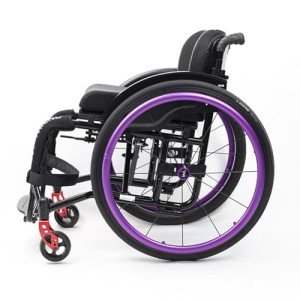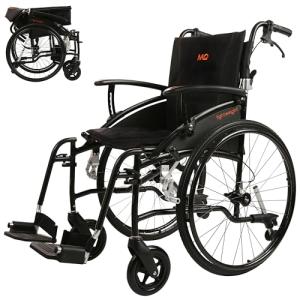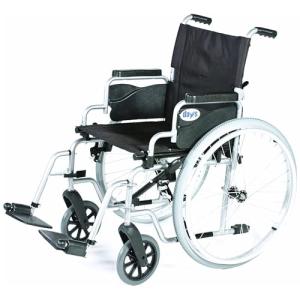





Mobility is a fundamental aspect of human independence. For individuals with limited mobility, the choice of a wheelchair can significantly impact their quality of life, autonomy, and social engagement. Among the various options available in the medical assistive device market, the lightweight folding self-propelled wheelchair with armrests stands out as a versatile and popular choice. This design balances the need for personal control with the necessity for transportability and comfort.
The following guide explores the technical aspects, benefits, and considerations associated with these chairs, providing a comprehensive overview for users, caregivers, and healthcare professionals.
Understanding the Core Components
A lightweight folding self-propelled wheelchair is defined by four primary characteristics: its weight (usually aluminum-based), its ability to collapse for storage, the large rear wheels that allow the user to push themselves, and the inclusion of armrests for support and posture.
1. The Advantage of Lightweight Materials
Modern engineering has transitioned away from the heavy chrome-plated steel frames of the past. Today’s lightweight models typically utilize high-grade aluminum alloys or titanium. A lighter frame reduces the physical effort required for propulsion and makes the task of lifting the chair into a vehicle significantly easier for caregivers.
2. Self-Propulsion and Large Rear Wheels
The "self-propelled" designation refers to the large rear wheels, typically 22 to 24 inches in diameter, equipped with outer handrims. This allows the user to navigate their environment without relying on an attendant. Beyond autonomy, these larger wheels provide a smoother ride over uneven surfaces compared to the small wheels found on transit chairs.
3. The Folding Mechanism
Most lightweight wheelchairs employ a "cross-brace" or "X-frame" design. By pulling up on the seat upholstery, the sides of the chair collapse toward each other. This feature is indispensable for those who travel frequently or have limited storage space at home.
Technical Specifications at a Glance
When selecting a wheelchair, technical dimensions determine whether the chair fits both the user and their living environment. Below is a table displaying typical specifications for a standard lightweight folding model.
Table 1: Typical Specifications for Lightweight Self-Propelled Wheelchairs
| Feature | Standard Specification | Extended / Heavy Duty Range |
|---|---|---|
| Material/Frame | Aluminum Alloy | Reinforced Steel or Titanium |
| Total Weight | 12kg – 15kg (26lb – 33lb) | 18kg+ (40lb+) |
| Seat Width | 16, 18, or 20 inches | Up to 24 inches (Bariatric) |
| Weight Capacity | 115kg (approx. 250lb) | Up to 160kg (approx. 350lb) |
| Rear Wheel Size | 24 inches | 22–26 inches |
| Braking System | Push-lock Manual Brakes | Attendant brakes & User brakes |
| Folded Width | 10–13 inches | 12–15 inches |
The Critical Role of Armrests
Armrests are often overlooked, yet they play a vital role in user comfort, stability, and safety. In a self-propelled chair, the armrests must be positioned so they do not interfere with the user’s range of motion when pushing the handrims.
Types of Armrest Configurations
- Fixed Armrests: These provide the most stability but can make side transfers (moving from the chair to a bed or toilet) more difficult.
- Flip-back Armrests: These can be swung backward and out of the way, facilitating easier side transfers and allowing the user to get closer to desks or dining tables.
- Removable (Detachable) Armrests: These can be taken off entirely, which reduces the weight of the chair during transport and offers maximum clearance for transfers.
- Desk-Length vs. Full-Length: Desk-length armrests are shorter at the front to allow the chair to slide under tables, while full-length armrests provide support along the entire forearm.
Key Benefits for the User
Choosing a lightweight folding self-propelled model offers several distinct advantages that cater to an active or semi-active lifestyle.
Enhanced Personal Autonomy
The ability to self-propel fosters a sense of independence. Users can decide where to go and at what pace, which is crucial for mental well-being and maintaining an active social life.
Physical Health and Muscle Tone
Propelling a manual wheelchair provides a consistent upper-body workout. It engages the shoulders, arms, and core muscles. While it requires effort, for many users, this daily activity helps maintain cardiovascular health and muscle strength.
Ease of Transport and Storage
Because the chair is lightweight and foldable, it does not require a specialized converted van. It can usually fit into the trunk (boot) of a standard sedan. Many models also feature "quick-release" rear wheels, which allow the large wheels to be popped off with the touch of a button, making the folded frame even lighter and more compact.
Selection Criteria: What to Look For
Selecting the right wheelchair requires a balance between the user's physical needs and their lifestyle requirements.
Checklist for Purchasing a Wheelchair
- Seat Dimensions: The seat must be wide enough for comfort but narrow enough to fit through standard doorways.
- Adjustability: Look for chairs with adjustable footrest heights and tension-adjustable backrests.
- Tire Type:
- Solid Tires: Low maintenance, puncture-proof, but firmer ride.
- Pneumatic (Air-filled) Tires: Better shock absorption, smoother on rough terrain, but require pumping and can go flat.
- Upholstery: Nylon or padded breathable fabrics are preferred for long-duration use to prevent heat buildup and skin irritation.
- Safety Features: Ensure the chair has anti-tip wheels at the back to prevent the chair from flipping backward on inclines.
Comparison: Self-Propelled vs. Transit Wheelchairs
It is important to distinguish between self-propelled chairs and transit (or transport) chairs to ensure the right purchase.
Table 2: Comparison of Wheelchair Types
| Feature | Self-Propelled Wheelchair | Transit (Transport) Wheelchair |
|---|---|---|
| Rear Wheel Size | Large (22–24 inches) | Small (8–12 inches) |
| Primary User | Independent user or attendant | Requires an attendant/pusher |
| Control | User can steer and move | Attendant must steer and move |
| Weight | Slightly heavier due to large wheels | Generally lighter and more compact |
| Terrain | Good for indoor and outdoor | Primarily for smooth, flat surfaces |
Maintenance for Longevity
To ensure a lightweight folding wheelchair remains safe and functional, regular maintenance is required. Even the most durable aluminum frames have moving parts that suffer wear and tear.
- Weekly Cleaning: Wipe down the frame to remove dust and grit, which can get into the folding mechanism.
- Tire Checks: For pneumatic tires, check the pressure weekly. For solid tires, inspect for cracks or uneven wear.
- Brake Inspection: Ensure the high-pressure brakes lock the wheels firmly in place. Brakes can loosen over time and may need tightening with an Allen key.
- Lubrication: Periodically apply a silicone-based lubricant to the folding cross-brace and the wheel axles to ensure smooth operation.
Frequently Asked Questions (FAQ)
1. Is a lightweight wheelchair as durable as a standard steel one?
Yes. While aluminum is lighter, modern engineering and heat-treatment processes make these frames highly durable. They are designed to handle daily use while providing the benefit of easier maneuverability.
2. Can these wheelchairs be used on uneven outdoor terrain?
Yes, particularly because of the large rear wheels. Self-propelled wheelchairs handle grass, gravel, and cracked pavement much better than small-wheeled transit chairs. However, users should always be cautious on steep inclines.
3. Will a folding wheelchair fit into a small car?
In most cases, yes. When folded, these chairs are approximately 10 to 13 inches wide. Many models also have "half-folding" backrests (where the top half of the backrest folds down) and quick-release wheels, making them small enough for even compact car trunks.
4. Why are armrests important if I am pushing the wheels myself?
Armrests provide a place to rest the limbs when the chair is stationary, which prevents shoulder fatigue. They also assist in "weight shifts," which are necessary for pressure relief, and offer leverage when the user needs to stand up from the chair.
5. Are there weight limits for lightweight wheelchairs?
Standard lightweight aluminum wheelchairs usually have a weight capacity of 110kg to 125kg (approx. 240–275 lbs). For users exceeding this weight, "Heavy Duty" or "Bariatric" lightweight models are available with reinforced cross-braces.
The lightweight folding self-propelled wheelchair with armrests represents a pinnacle of functional design in the mobility industry. By combining the strength of modern materials with the practical needs of independence and portability, these chairs empower users to navigate their worlds with confidence. Whether it is for daily use, travel, or a transitionary period of rehabilitation, understanding the features and maintenance of these chairs ensures a safer and more comfortable experience for everyone involved.