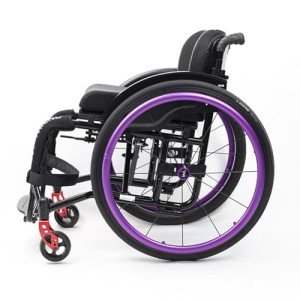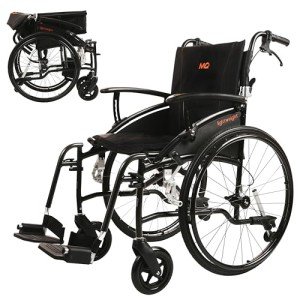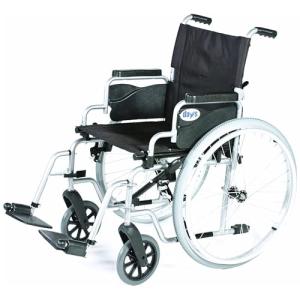

In the evolving world of mobility aids, wheelchairs play a crucial role in enhancing the quality of life for individuals with limited mobility. Among the plethora of options available today, the lightweight folding self-propelled wheelchair with armrests 381 stands out for its innovative design and practical functionality. This guide delves into the key features, benefits, and considerations surrounding this impressive mobility aid, providing readers with a thorough understanding of its advantages and specifications.
Understanding the Lightweight Folding Self-Propelled Wheelchair
The lightweight folding self-propelled wheelchair with armrests 381 is designed specifically for users who require mobility assistance but still wish to maintain a level of independence. Unlike standard wheelchairs that rely solely on caregivers, self-propelled versions empower users to navigate their environment independently. This model, in particular, combines portability, ease of use, and comfort through its carefully engineered design.
Key Features
-
Lightweight Construction:
- Weighing in at typically around 25-30 pounds, the lightweight frame is easy to maneuver and transport. This aspect is particularly beneficial for users who may need to lift the wheelchair into a car or public transportation.
-
Folding Design:
- The folding capability allows the wheelchair to collapse to a compact size, making it convenient for storage and travel. Users can easily fit the wheelchair in car trunks or store it in small spaces when not in use.
-
Self-Propelled Wheels:
- The self-propelled feature allows users to move themselves with ease. The large rear wheels are designed for optimal grip and mobility, enabling smooth navigation over various terrains, whether indoor or outdoor.
-
Comfortable Armrests:
- Well-padded armrests provide additional comfort during use, allowing users to rest their arms while propelling the wheelchair. This feature is important for long periods of use, minimizing fatigue and discomfort.
-
Adjustable Footrests:
- Many models, including the 381, feature adjustable footrests to accommodate users of different heights, providing a customized seating experience.
-
Safety Features:
- Equipped with lockable brakes and anti-tip wheels, the wheelchair offers stability and safety while in use. These mechanisms are crucial for ensuring user confidence, especially on inclines or uneven surfaces.
Benefits of the 381 Model
The lightweight folding self-propelled wheelchair with armrests 381 provides numerous benefits to its users, including:
-
Enhanced Mobility and Independence: Users can travel more freely without reliant assistance, empowering them to lead more independent lives.
-
Versatility for Daily Activities: Whether navigating within the home, attending social events, or maneuvering outdoor spaces, the wheelchair's design supports a variety of activities.
-
Comfort and Support: Ergonomic design features, such as padded armrests and adjustable settings, promote comfort during everyday use.
-
Convenience for Caregivers: The lightweight and foldable nature of the wheelchair makes it easier for caregivers to transport and store without added strain.
Considerations When Choosing the Right Wheelchair
When selecting a wheelchair, users should consider several factors to ensure they choose the right model for their specific needs. Here are some points to ponder:
-
Weight Capacity:
- Ensure the wheelchair accommodates the user’s weight. Most lightweight models have a maximum capacity, so it’s essential to check this to prevent accidents.
-
Fit and Comfort:
- Users should test the chair for fit, ensuring that the seat width and depth, as well as armrest height, align with their comfort and body size.
-
Portability Requirements:
- For those who frequently travel, consider the chair's foldability and weight. A lightweight and compact option is preferable for regular transport.
-
Style of Use:
- Determine whether the user will primarily self-propel or require assistance. Self-propelling wheelchairs may provide an additional sense of independence for some users.
-
Terrain Compatibility:
- Assess the surfaces the wheelchair will be used on. While some models are better suited for uneven terrains, others are designed for smoother surfaces.
FAQs
What is the weight limit of the lightweight folding self-propelled wheelchair 381?
Most models typically accommodate individuals weighing up to 250-300 pounds but be sure to check the specific model's specifications for accuracy.
Can the armrests be removed?
Depending on the specific manufacturer and model, some armrests are removable for easier access, while others are fixed. It’s important to verify this feature based on personal needs.
How does one maintain this wheelchair?
Regular maintenance includes cleaning the fabric, checking tire pressure (if applicable), inspecting moving parts for wear, and ensuring brakes and wheels operate correctly.
Are replacement parts available if needed?
Yes, most reputable manufacturers offer replacement parts such as wheels, armrests, and footrests, allowing users to maintain their wheelchair without needing to purchase a new one.
How do I fold and unfold the wheelchair?
Folding and unfolding processes vary slightly between models, but typically involve either a simple latch mechanism or release lever. Always refer to the user manual for specific instructions.
The lightweight folding self-propelled wheelchair with armrests 381 exemplifies the innovation in mobility aids, providing users with the necessary tools for independence and comfort. Its combination of lightweight construction, folding ability, and ergonomic design makes it a stellar option for those seeking a reliable means of transportation and support. Whether used at home or on the go, understanding the key features and considerations when selecting a wheelchair will lead to informed decision-making, ultimately enhancing the user's overall quality of life.