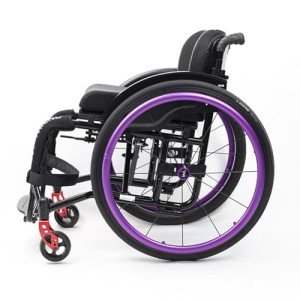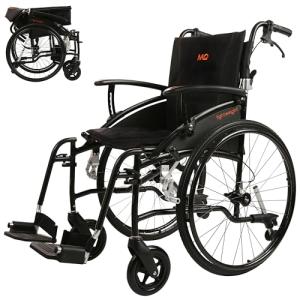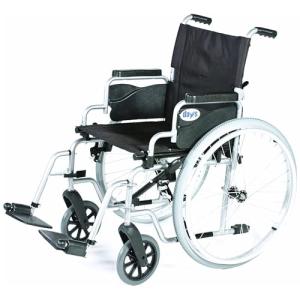

Mobility is a fundamental aspect of human independence and quality of life. For individuals with limited mobility, the choice of a wheelchair can significantly impact their daily experiences, social interactions, and physical health. Among the various options available in the modern medical equipment market, the lightweight folding self-propelled wheelchair with brakes has emerged as one of the most versatile and popular choices.
This guide provides an in-depth exploration of these mobility aids, examining their design, benefits, technical specifications, and maintenance requirements. By understanding the intricacies of these devices, users and caregivers can make informed decisions that enhance autonomy and safety.
Understanding the Lightweight Self-Propelled Wheelchair
A self-propelled wheelchair is characterized by its large rear wheels, which allow the user to move the chair independently by turning the hand rims. When this design is combined with "lightweight" materials and a "folding" frame, the result is a highly portable and maneuverable device.
The Role of Braking Systems
The inclusion of a secondary braking system—often located on the handles for an attendant or as high-quality toggle brakes for the user—is a critical safety feature. While all wheelchairs have basic parking brakes, the "brakes" specified in these modern models often refer to sophisticated slowing mechanisms that provide control on inclines and uneven terrain.
Materials and Construction
The transition from heavy steel frames to lightweight materials has revolutionized the industry. Most premium models today utilize:
- Aluminum Alloys: Offers an excellent strength-to-weight ratio.
- Carbon Fiber: Extremely light but usually found in high-end, customized models.
- Aircraft-Grade Titanium: Provides durability and vibration dampening.
Key Features and Technical Specifications
To choose the right mobility aid, it is essential to understand how different models compare. Below is a comparison table showcasing the typical differences between a standard wheelchair and a modern lightweight self-propelled folding model.
Table 1: Standard vs. Lightweight Folding Self-Propelled Wheelchairs
| Feature | Standard Manual Wheelchair | Lightweight Folding Self-Propelled |
|---|---|---|
| Frame Material | Steel | High-grade Aluminum or Alloy |
| Typical Weight | 18kg – 25kg | 9kg – 14kg |
| Folding Mechanism | Limited/Bulky | Cross-brace for compact storage |
| Rear Wheels | Fixed and Heavy | Quick-release, lightweight pneumatic or solid |
| Braking System | Basic toggle parking brakes | User toggle + Attendant handbrakes |
| Maneuverability | Requires significant effort | High; responsive to light force |
| Portability | Difficult to lift into vehicles | Designed for easy car transport |
The Benefits of a Lightweight Folding Design
The shift toward lightweight and foldable designs is driven by the need for practical solutions in everyday life. Here are the primary advantages:
1. Increased User Independence
Because these chairs are built with lighter materials, the amount of energy required to propel the chair forward is significantly reduced. This allows individuals with limited upper-body strength to travel further and navigate more complex environments without premature fatigue.
2. Enhanced Safety and Control
The addition of handbrakes (often located on the push handles) provides an extra layer of security. If a caregiver is assisting the user down a ramp or a steep sidewalk, they can modulate the speed effectively, preventing the chair from gaining too much momentum.
3. Ease of Transport and Storage
The folding mechanism—typically a cross-brace design—allows the chair to collapse horizontally. When combined with quick-release wheels, the chair can fit into the trunk of a small sedan or be stored in a closet without occupying excessive floor space.
4. Customizability and Ergonomics
Modern lightweight chairs often feature adjustable components, including:
- Adjustable height footrests.
- Padded armrests (sometimes flip-back for easier transfers).
- Breathable upholstery to prevent heat buildup during long-term use.
Determining the Right Fit: A Selection Checklist
Not all lightweight wheelchairs are created equal. When selecting a model, several factors must be considered to ensure the safety and comfort of the user.
Measurement and Capacity Checklist:
- Seat Width: Ensure there is roughly an inch of space on either side of the user's hips. Common widths are 16, 18, and 20 inches.
- Weight Capacity: Check the maximum load. While the chair is lightweight, it must be rated to support the user safely (standard limits are usually 115kg to 135kg).
- Terrain Compatibility: Consider whether the chair will be used primarily indoors (smaller, solid wheels) or outdoors (larger, pneumatic shock-absorbing wheels).
- Brake Accessibility: Can the user reach the parking brakes easily without overextending?
Maintenance for Longevity
To ensure the safety and longevity of a lightweight folding wheelchair, regular maintenance is required. Because these chairs have moving parts and folding joints, they can experience wear and tear over time.
Essential Maintenance Tasks:
- Weekly Tire Checks: Ensure pneumatic tires are inflated to the correct pressure. For solid tires, check for cracks or uneven wear.
- Brake Testing: Test the brakes on a slight incline to ensure they grip the wheels firmly without slipping.
- Frame Inspection: Look for any signs of stress on the folding cross-brace and ensure all bolts are tightened.
- Cleaning: Wipe down the frame to prevent salt or dirt buildup, which can lead to corrosion in moving joints.
- Upholstery Care: Check for sagging or tears in the seat and backrest, as this can affect the user’s posture.
Frequent Scenarios for Use
Third-party observers often note that these chairs excel in specific environments:
- Air Travel: Their ability to fold and the lightweight frame make them easier for airline staff to handle and for users to bring to the gate.
- Medical Appointments: Easy to load in and out of a vehicle for frequent visits.
- Shopping Centers: The responsive steering allows for navigation through narrow aisles and crowded spaces.
Frequently Asked Questions (FAQ)
Q1: What is the difference between a self-propelled and a transit wheelchair?
A self-propelled wheelchair has large rear wheels with hand rims, allowing the user to move themselves. A transit (or attendant-propelled) wheelchair has four small wheels and requires a second person to push the chair.
Q2: Is a lightweight wheelchair as durable as a heavy steel one?
Yes. Despite their lower weight, modern aluminum and alloy frames are engineered to be high-strength. They are often more durable in the long run because they are more resistant to rust than traditional steel.
Q3: Can the brakes be adjusted?
Most wheelchair brakes are adjustable. As tires wear down or become slightly deflated, the distance between the brake shoe and the tire may need to be recalibrated to ensure a secure lock.
Q4: Are these wheelchairs suitable for bariatric users?
While "lightweight" usually refers to the chair's weight, there are specific "lightweight bariatric" models designed with reinforced frames to accommodate higher weight capacities while still maintaining portability.
Q5: Can I add accessories to a folding wheelchair?
Most folding models are compatible with various accessories, including oxygen tank holders, crutch holders, anti-tip wheels, and specialized pressure-relief cushions.
The lightweight folding self-propelled wheelchair with brakes represents a pinnacle of user-centric design in the mobility industry. By balancing the need for a sturdy, safe frame with the practical requirement for portability, these devices empower users to maintain an active lifestyle. Whether it is the independence granted by the self-propulsion feature or the safety provided by the advanced braking systems, this type of wheelchair remains an essential tool for modern accessibility. When chosen carefully and maintained diligently, it provides a reliable bridge to a world without boundaries.