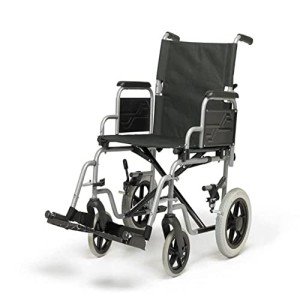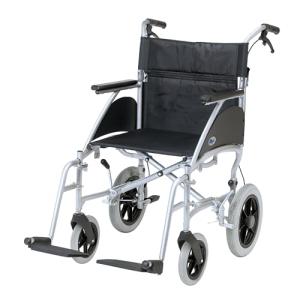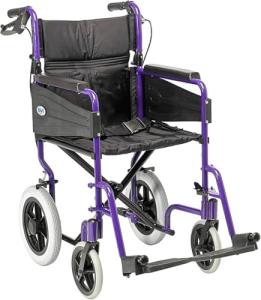





Mobility is a fundamental aspect of human independence, affecting everything from daily chores to social interactions and travel. For individuals with limited mobility, the choice of a wheelchair is one of the most significant decisions they can make. Among the various options available in the modern medical market, the Lightweight Folding Self-Propelled Wheelchair with Brakes stands out as a versatile, user-friendly, and highly functional solution.
This guide explores the intricate details of these mobility aids, examining their features, benefits, and technical specifications to help users and caregivers make informed decisions.
Understanding the Lightweight Folding Self-Propelled Wheelchair
A self-propelled wheelchair is designed with large rear wheels, typically 22 to 24 inches in diameter, equipped with handrims. This allows the user to propel themselves without needing an attendant. When the "lightweight" and "folding" components are added, the chair becomes significantly easier to maneuver, transport, and store.
The Importance of the "Lightweight" Factor
Traditional wheelchairs were often constructed from heavy steel, making them cumbersome to push and nearly impossible for a user or caregiver to lift into a vehicle. Modern lightweight models typically utilize high-grade aluminum or specialized alloys. This reduction in weight minimizes the physical strain on the user's shoulders and arms during propulsion and prevents back injuries for caregivers during transport.
The Folding Mechanism
The folding feature is usually achieved through a "cross-brace" design under the seat. By pulling up on the seat upholstery, the sides of the chair collapse toward each other. This transformation allows the device to fit into narrow storage spaces, closets, or the trunks of small cars, making it an ideal companion for travel and outings.
Key Features and Their Benefits
When selecting a mobility aid, understanding the specific components is crucial. The integration of brakes—both for the user and the attendant—is a primary safety consideration.
1. Dual Braking Systems
Most high-quality self-propelled wheelchairs feature two types of brakes:
- Manual Parking Brakes: Located near the large rear wheels, these allow the user to lock the chair in place when transferring in or out of the seat.
- Attendant Hand Brakes: Situated on the push handles, these allow a companion to control the speed of the wheelchair on inclines or uneven surfaces, providing an extra layer of safety.
2. Ergonomic Seat and Backrest
To ensure comfort during prolonged use, these chairs often feature padded, breathable upholstery. Some models offer tension-adjustable backrests to cater to the specific spinal needs of the user.
3. Quick-Release Wheels
To make the chair even lighter and more compact for transport, many models feature "quick-release" rear wheels. With the push of a button, the large wheels can be removed, significantly reducing the "lifting weight" of the frame.
4. Swing-Away Footrests and Armrests
Maneuverability is enhanced by footrests that swing out of the way, allowing the user to stand up safely without tripping. Flip-up armrests are also common, facilitating "sideways" transfers from the wheelchair to a bed or sofa.
Material Comparison: Choosing the Right Frame
The material of the wheelchair determines its durability, weight, and price point. The following table compares the Three most common materials used in modern frames.
Table 1: Comparison of Wheelchair Frame Materials
| Feature | Steel | Aluminum | Carbon Fiber |
|---|---|---|---|
| Weight | Heavy (15kg - 25kg) | Lightweight (10kg - 15kg) | Ultralight (under 10kg) |
| Durability | Very High | High | Exceptional |
| Portability | Low | High | Excellent |
| Cost | Budget-friendly | Mid-range | Premium/High |
| Best For | Occasional use/Budget | Everyday active use | High-performance/Travel |
Technical Specifications to Consider
Before purchasing, it is vital to evaluate the dimensions and weight capacities to ensure the chair fits both the user and their environment (such as doorways and hallways).
Table 2: Standard Specifications for Lightweight Self-Propelled Wheelchairs
| Specification | Typical Measurement |
|---|---|
| Seat Widths | 16", 18", or 20" |
| Total Weight | 12kg to 14.5kg |
| Weight Capacity | 100kg to 135kg (approx. 15-21 stone) |
| Folded Width | 25cm to 35cm |
| Rear Wheel Type | Solid (puncture-proof) or Pneumatic (air-filled) |
| Front Castors | 6" to 8" (typically solid) |
Enhancing Quality of Life: Why Choose This Model?
The combination of self-propulsion and a lightweight, foldable frame offers a unique blend of independence and convenience.
- Promotes Physical Activity: By propelling themselves, users engage their upper body muscles, which can assist in maintaining cardiovascular health and muscle tone.
- Versatility of Use: These chairs are suitable for both indoor use (narrow enough for most hallways) and outdoor use (sturdy enough for pavements and parks).
- Travel-Friendly: For families who enjoy road trips or flights, the ability to fold a chair in seconds and stow it away is a game-changer.
- Safety on Slopes: The inclusion of attendant brakes ensures that if a caregiver is assisting on a steep driveway or ramp, they have full control over the chair's descent.
Maintenance Tips for Longevity
To ensure the wheelchair remains safe and functional, a regular maintenance routine is recommended. Users should perform the following checks:
- Tire Pressure: If the chair has pneumatic tires, ensure they are inflated to the recommended PSI. Under-inflated tires make the chair harder to push.
- Brake Check: Regularly test that the parking brakes lock the wheels firmly and that the hand brakes provide adequate friction.
- Cleaning: Wipe down the frame with a damp cloth to remove dirt and salt (which can cause corrosion).
- Moving Parts: Lightly lubricate the folding cross-brace and the wheel axles every few months to ensure smooth operation.
- Upholstery Inspection: Check for tears or sagging in the seat and backrest, as these can affect posture.
Frequently Asked Questions (FAQ)
1. Can a self-propelled wheelchair be pushed by an attendant?
Yes. Despite having large wheels for self-propulsion, these chairs include push handles for an attendant. The inclusion of hand brakes on the handles makes them very easy for a caregiver to manage.
2. What is the difference between solid and pneumatic tires?
Solid tires are made of polyurethane or rubber and are puncture-proof, making them low-maintenance. Pneumatic tires are air-filled, providing better shock absorption and a smoother ride on rough surfaces, but they can go flat.
3. How do I know which seat width to choose?
Seat width should be based on the user's hip width. Ideally, there should be about an inch of space on either side of the hips when seated. Common sizes are 18 inches for an average adult.
4. Is it easy to fold these wheelchairs?
Yes. Most models require you to remove the seat cushion (if applicable) and pull upwards on the center of the seat upholstery. Some may also have a half-folding backrest to further reduce the height.
5. Are lightweight wheelchairs as sturdy as heavy steel ones?
Absolutely. Modern aluminum alloys are engineered to provide high structural integrity while remaining light. As long as the user stays within the specified weight capacity, the chair is perfectly safe.
The Lightweight Folding Self-Propelled Wheelchair with Brakes represents the pinnacle of modern mobility design. It addresses the three most critical needs of wheelchair users: independence, safety, and portability. By choosing a model that balances a lightweight frame with robust braking systems, users can navigate their daily lives with greater confidence and less physical exertion.
Whether it is for a permanent disability, a temporary recovery from surgery, or a solution for an aging family member, this type of wheelchair provides a reliable and efficient way to stay mobile in a fast-moving world. Always consult with a healthcare professional or an occupational therapist to ensure the specific dimensions and features meet the individual clinical requirements of the user.