
Mobility is a cornerstone of independence and quality of life. For individuals who require assistance with movement, the choice of a wheelchair is one of the most significant decisions they will make. Among the various options available on the market, the lightweight folding self-propelled wheelchair with hand brakes stands out as a versatile, safe, and highly functional solution. This guide provides an in-depth exploration of this specific mobility aid, detailing its benefits, technical specifications, and maintenance requirements.
What is a Lightweight Folding Self-Propelled Wheelchair?
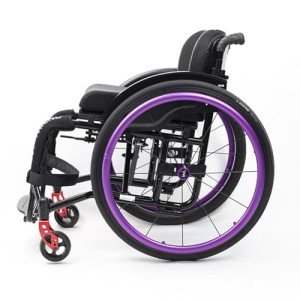
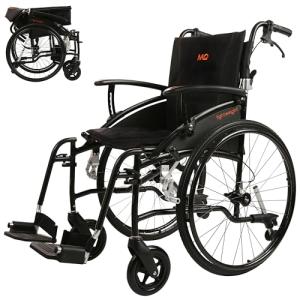
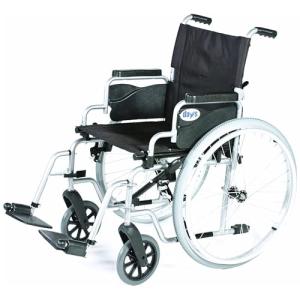
A self-propelled wheelchair is designed with large rear wheels, allowing the user to maneuver the chair independently using handrims. The "lightweight" designation typically refers to frames constructed from high-grade aluminum or specialized alloys, usually weighing between 10kg and 15kg. The "folding" aspect involves a cross-brace or "X-frame" mechanism that allows the chair to collapse vertically for easy transport and storage.
The inclusion of hand brakes—specifically those accessible by an attendant or integrated into the handrim system—adds a crucial layer of safety, especially when navigating inclines or transferring in and out of the chair.
The Critical Importance of Hand Brakes
While most wheelchairs come with standard manual parking brakes that lock the wheels in place, "hand brakes" often refer to attendant brakes located on the push handles or secondary braking systems that allow for controlled deceleration.
Why Hand Brakes Matter:
- Safety on Inclines: When an attendant is pushing a user down a ramp or hill, hand brakes allow them to control the speed, preventing the chair from "runaway" momentum.
- Increased Stability during Transfers: Having multiple braking points ensures the chair remains stationary when the user is moving from the seat to a bed or car.
- Reduced Physical Strain: For caregivers, hand brakes reduce the amount of physical force required to stop a moving chair.
Comparison of Frame Materials
The material of the wheelchair frame determines its weight, durability, and price point. The following table compares the three most common materials used in modern folding wheelchairs.
Table 1: Wheelchair Material Comparison
| Feature | Steel | Aluminum (Standard) | Lightweight Aluminum/Alloy |
|---|---|---|---|
| Average Weight | 18kg - 25kg | 14kg - 17kg | 9kg - 13kg |
| Durability | High | Medium/High | High |
| Portability | Low | Medium | High |
| Cost | Low (Budget) | Mid-range | Premium |
| Corrosion Resistance | Low (Requires coating) | High | High |
Key Features and Components
When evaluating a lightweight folding self-propelled wheelchair, several components contribute to its overall performance and user comfort.
1. The Folding Mechanism
Most lightweight models utilize a single or double cross-brace. A double cross-brace provides extra rigidity and can support higher weight capacities without significantly increasing the chair's weight.
2. Rear Wheel Design
Self-propelled chairs feature large rear wheels, typically 22 to 24 inches in diameter. Modern designs often include "quick-release" axles, which allow the wheels to be removed with the push of a button. This makes the chair even lighter and more compact for fitting into small car trunks.
3. Ergonomic Hand Brakes
Hand brakes are often found in two configurations:
- Toggle/Push Brakes: Mounted near the tires for the user to lock the wheels.
- Attendant Brakes: Located on the handles, operating much like bicycle brakes, allowing the person pushing the chair to slow it down gradually.
4. Footrests and Armrests
To facilitate easier transfers, many models feature:
- Swing-away footrests: These can be moved to the side or removed entirely.
- Flip-up armrests: Useful for side-transfers and for pulling the chair closer to a desk or dining table.
Technical Specifications to Consider
Before purchasing, it is essential to look at the technical data to ensure the chair fits the user’s body type and lifestyle needs.
Table 2: Standard Specifications for Lightweight Self-Propelled Chairs
| Specification | Typical Measurement | Why it Matters |
|---|---|---|
| Seat Width | 16, 18, or 20 inches | Ensures comfort and prevents pressure sores. |
| Weight Capacity | 100kg - 135kg (approx. 15-21 stone) | Safety and structural integrity. |
| Folded Width | 25cm - 35cm | Determines if it fits in storage spaces. |
| Upholstery | Nylon or Padded Mesh | Breathability and ease of cleaning. |
| Front Castors | 6 - 8 inch solid PVC | Impacts maneuverability over small obstacles. |
Benefits of Choosing this Type of Wheelchair
Choosing a lightweight folding self-propelled model offers a blend of psychological and physical advantages.
Independence and Physical Health
Self-propelling allows users to maintain upper body strength and cardiovascular health. Even if a user relies on an attendant part of the time, having the option to move oneself fosters a sense of autonomy.
Ease of Travel
Because these chairs are lightweight and foldable, they are ideal for users who lead active lives. They can be easily loaded into public transport, taxis, or personal vehicles without the need for specialized lifts or heavy lifting.
Versatility in Environment
The large rear wheels are better at handling uneven surfaces—such as cracked pavement or short grass—compared to the small wheels found on transit chairs. This makes the wheelchair suitable for both indoor and outdoor use.
Maintenance and Care
To ensure the longevity of a lightweight wheelchair, a regular maintenance schedule should be followed.
- Weekly: Check tire pressure (if pneumatic) and wipe down the frame with a damp cloth to prevent dirt buildup in the folding joints.
- Monthly: Inspect the hand brakes. Ensure they engage fully with the tire and do not slip. Check for loose bolts or screws.
- Every 6 Months: Apply a small amount of silicone-based lubricant to the folding cross-brace and the quick-release axles.
- Annually: Have a professional mobility technician inspect the wheel alignment and bearing health.
Frequently Asked Questions (FAQ)
1. Are lightweight wheelchairs less durable than heavy steel ones?
No. While they are lighter, modern aluminum alloys are engineered to be extremely strong. As long as the user stays within the specified weight capacity, a lightweight aluminum chair can last just as long as a steel one.
2. Can I use a self-propelled wheelchair if I don't have much upper body strength?
Many lightweight models are designed with "high-efficiency" bearings and optimized geometry to make them easier to push. However, if strength is a major concern, users should ensure the chair is correctly fitted to their posture to maximize their leverage.
3. What is the difference between solid and pneumatic tires?
- Solid tires are puncture-proof and low-maintenance but offer a slightly firmer ride.
- Pneumatic (air-filled) tires provide better shock absorption on rough terrain but require regular pumping and can go flat.
4. How do I know what seat width I need?
The user should sit on a flat surface, and the distance across the widest part of their hips should be measured. Adding 1-2 inches to this measurement usually provides the most comfortable seat width.
5. Are these chairs covered by insurance or government grants?
In many regions, mobility aids are partially or fully covered if prescribed by a doctor or occupational therapist. It is advisable to check with local health authorities or insurance providers regarding "Durable Medical Equipment" (DME) coverage.
The lightweight folding self-propelled wheelchair with hand brakes represents a perfect marriage of safety, portability, and independence. By utilizing advanced materials like aluminum and incorporating dual-braking systems, manufacturers have created a tool that empowers the user while supporting the caregiver.
When selecting a model, prioritizing the balance between weight and features—such as quick-release wheels and ergonomic seating—will ensure that the wheelchair serves not just as a piece of medical equipment, but as a gateway to a more active and engaged lifestyle. Whether for daily use or as a travel companion, this type of wheelchair remains one of the most reliable investments in personal mobility.