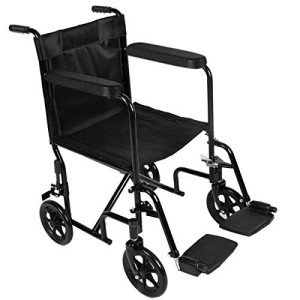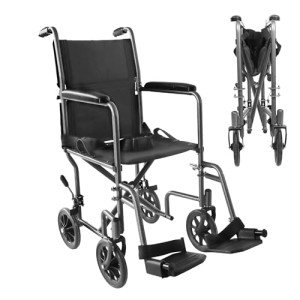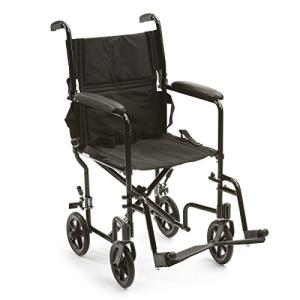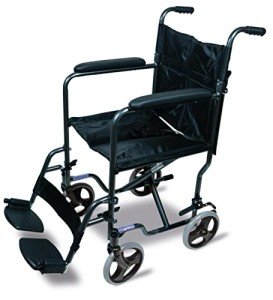

For individuals with limited mobility, the desire to explore the world remains as strong as it is for any other traveler. However, the logistical challenges of transporting a standard wheelchair can often act as a deterrent. Traditional wheelchairs are frequently heavy, cumbersome, and difficult to fit into standard vehicle trunks or airplane cargo holds. This is where the innovation of the lightweight folding wheelchair becomes a critical asset.
Designed specifically for portability without sacrificing stability, these mobility aids have revolutionized travel for thousands of people. This guide provides an in-depth look at why lightweight folding wheelchairs are essential for easy travel, what features to prioritize, and how to navigate various transportation methods with ease.
Why Choose a Lightweight Folding Wheelchair?
The primary advantage of a lightweight folding wheelchair is its versatility. Unlike rigid-frame chairs, which are often preferred for daily high-performance use but are difficult to transport, folding models use a cross-brace mechanism. This allows the chair to collapse side-to-side, significantly reducing its width.
Key Benefits Include:
- Ease of Transport: Most lightweight models weigh between 15 and 30 pounds, making them manageable for caregivers or the users themselves to lift into a car.
- Space Management: When folded, these chairs can fit into small trunks, behind front seats, or in designated storage areas on buses and trains.
- Reduced Physical Strain: The use of advanced materials like aluminum or carbon fiber means less effort is required to propel the chair or push it, reducing the risk of repetitive strain injuries.
- Travel Compliance: Many models are designed to meet airline regulations, facilitating a smoother transition from the check-in counter to the boarding gate.
Technical Specifications: What to Look For
When selecting a wheelchair for travel, one must balance weight with durability. An overly light chair might lack the structural integrity needed for uneven city sidewalks, while a chair that is too heavy defeats the purpose of "easy travel."
Comparison of Lightweight Wheelchair Categories
| Feature | Transport Chairs | Standard Lightweight | Ultra-Lightweight |
|---|---|---|---|
| Typical Weight | 15 – 25 lbs | 25 – 35 lbs | 13 – 20 lbs |
| Wheel Size | Small (8" – 12") | Large (20" – 24") | Variable |
| Propulsion | Caregiver-pushed only | User or Caregiver | User or Caregiver |
| Material | Aluminum / Steel | Aluminum | Carbon Fiber / Titanium |
| Foldability | High (Flat fold) | Moderate (Cross-brace) | High (Compact/Quick-release) |
| Best Use Case | Short trips, malls | Daily travel, cruising | Frequent flyers, active users |
Essential Features for the Modern Traveler
To ensure a wheelchair is truly "travel-ready," certain features are more important than others. Beyond the basic ability to fold, travelers should look for specific design elements that enhance the experience.
1. Quick-Release Wheels
Many high-end lightweight wheelchairs feature quick-release axles. By pressing a button, the large rear wheels can be removed in seconds. This allows the frame to be packed even more compactly and reduces the lifting weight of the main unit.
2. Swing-Away or Removable Footrests
Rigid footrests can be a tripping hazard and add unnecessary length to the chair when trying to fit it into a tight space. Swing-away footrests make it easier for the user to transition in and out of the chair and can be removed entirely to save space during transit.
3. Breathable, Washable Upholstery
Travel often involves long hours sitting in various climates. Nylon or mesh upholstery is preferable to vinyl because it is more breathable and easier to clean if it becomes soiled during a flight or road trip.
4. Compact Braking Systems
For travel, push-to-lock brakes are standard, but some folding chairs now offer "attendant brakes" located on the handles. This is particularly useful when navigating the hilly streets of European cities or steep ramps in historic buildings.
Navigating Different Modes of Transport
Air Travel
Air travel is perhaps the biggest hurdle for mobility device users. However, the Air Carrier Access Act (ACAA) provides protections. Lightweight folding wheelchairs can often be "gate-checked." This means the user can stay in their own chair until they reach the aircraft door. The staff then takes the chair down to the cargo hold and returns it to the aircraft door upon arrival.
Tips for Air Travel:
- Label Everything: Attach a permanent tag with contact information and "Handling Instructions" to the frame.
- Remove Loose Parts: Before handing the chair to baggage handlers, remove the seat cushion, side bags, and any detachable joysticks or accessories to prevent loss or damage.
- Know Your Dimensions: Have the folded dimensions ready, as gate agents will often ask for them.
Road Trips
In a car, the lightweight nature of these chairs prevents damage to the vehicle's bumper and limits the physical exertion required by the person loading the trunk. For those using ride-share services like Uber or Lyft, a folding chair is often the only way to ensure the vehicle can accommodate the equipment without needing a specialized van.
Public Transportation and Cruises
Modern trains and buses in many countries are equipped with "kneeling" functions or ramps. A lightweight chair is easier to maneuver across the gap between a platform and a train. On cruise ships, where cabin doorways can be narrow, the ability to partially fold the chair while the user is transitioning into the room can be a significant advantage.
Maintenance for Longevity
Travel can be hard on equipment. Salt air from cruises, cobblestones in old cities, and dirt from park paths can affect performance.
- Check Fasteners: Vibrations from travel can loosen bolts. A quick check with an Allen wrench every few days is recommended.
- Tire Care: Ensure solid tires are free of debris or that pneumatic tires are inflated to the correct pressure to make pushing easier.
- Cleaning: Wipe down the frame after exposure to rain or salt to prevent corrosion, especially if the frame is made of aluminum.
Frequently Asked Questions (FAQ)
1. Is a transport chair the same as a lightweight folding wheelchair?
Not exactly. A transport chair has four small wheels and requires a caregiver to push. A lightweight folding wheelchair usually has large rear wheels, allowing the user to propel themselves if they wish. Both are lightweight and fold, but the level of independence differs.
2. Can I take a folding wheelchair on a plane for free?
Yes. Under the laws of most countries (including the ADA in the US), mobility devices do not count toward your baggage allowance and must be transported free of charge.
3. What is the lightest material for a folding wheelchair?
Carbon fiber is currently the lightest material used in wheelchair construction, followed by titanium and high-grade aluminum. While carbon fiber is the lightest, it is also generally the most expensive.
4. Are lightweight chairs durable enough for outdoor use?
Yes, provided they are made from high-quality aluminum or alloys. Most are designed to handle standard paved surfaces, though users should exercise caution on very rocky or sandy terrain.
5. How do I know if the chair will fit in my car trunk?
Always check the "folded dimensions" provided by the manufacturer. Compare these to the narrowest part of your trunk. Remember that removing the footrests or wheels can further reduce the size.
The transition to a lightweight folding wheelchair can be a liberating experience for those who love to travel. By reducing the physical and logistical burdens of mobility, these chairs allow users and their companions to focus on the destination rather than the difficulties of the journey. Whether it is navigating a busy airport, exploring a museum, or simply visiting family, the right equipment makes the world accessible to everyone. Investing in a high-quality, lightweight model is not just a purchase of a mobility aid; it is an investment in the freedom to explore.