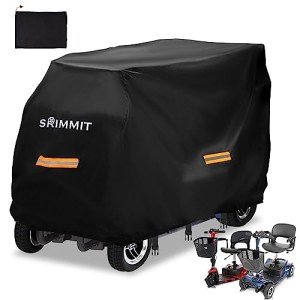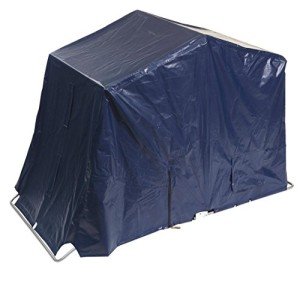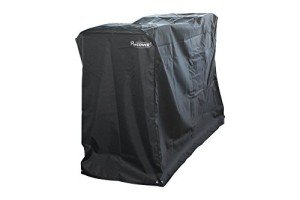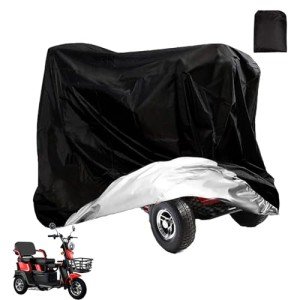


For many individuals, a mobility scooter represents more than just a piece of medical equipment; it is a vital gateway to independence, social interaction, and daily freedom. These sophisticated machines are significant investments, both financially and lifestyle-wise. However, because mobility scooters are often large and cumbersome, many owners are forced to store them outdoors or in semi-sheltered areas like carports or porches.
Exposure to the elements—rain, intense sunlight, snow, and dust—can lead to rapid deterioration of the scooter’s electronics, upholstery, and mechanical components. This is where a high-quality, waterproof, and durable outdoor cover becomes an indispensable accessory. This guide explores the critical importance of scooter protection, what features to prioritize, and how to maintain a cover for long-term use.
The Critical Need for Outdoor Protection
A mobility scooter is a complex assembly of sensitive electronics, upholstered seating, and mechanical drive systems. When left unprotected outdoors, several environmental factors begin to take a toll:
- Moisture and Corrosion: Rain and humidity are the primary enemies of electronic control panels and battery terminals. Even a small amount of water ingress can cause short circuits or lead to rust on the metal chassis.
- UV Degradation: Prolonged exposure to ultraviolet rays from the sun can cause the plastic bodywork to become brittle and fade. More importantly, it can cause the vinyl or fabric of the seat to crack and peel, leading to discomfort.
- Dust and Debris: Fine dust particles can find their way into the motor and steering assembly, acting as an abrasive that increases wear and tear.
- Temperature Fluctuations: Extreme heat or cold can impact battery efficiency and lifespan. While a cover won't provide full thermal insulation, it offers a buffer against direct frost and scorching direct sun.
Key Features of a High-Quality Mobility Scooter Cover
Not all covers are created equal. When selecting a cover intended for outdoor use, several technical specifications should be considered to ensure the protection is adequate for the local climate.
1. Fabric Density and Material
The durability of a cover is often measured by the "Denier" (D) of its fabric. A higher denier indicates a thicker, more tear-resistant material.
- 300D Polyester: Lightweight and easy to handle, suitable for indoor use or very light outdoor conditions.
- 600D Oxford Cloth: This is the gold standard for outdoor protection. It is heavy-duty, resistant to punctures, and stands up well to high winds.
2. Waterproofing Technology
True outdoor covers utilize a multi-layered approach to moisture. Generally, the fabric is treated with a PVC (Polyvinyl Chloride) or PU (Polyurethane) backing. Furthermore, high-end covers feature heat-sealed seams. Standard stitching creates thousands of tiny holes where water can seep through; heat-sealing bonds the fabric together, creating a truly waterproof barrier.
3. Secure Fastening Systems
An outdoor cover is only effective if it stays on the vehicle. Look for:
- Elasticated Hems: These allow the cover to "grip" the bottom of the tires.
- Drawstrings and Buckles: Central or wheel-level straps prevent the cover from billowing or blowing away during heavy storms.
4. Ventilation
While it may seem counterintuitive to have holes in a waterproof cover, ventilation flaps are crucial. They allow or "wick" trapped moisture to escape, preventing the buildup of mold and mildew underneath the cover.
Comparison of Common Cover Materials
| Material Type | Durability Level | Water Resistance | UV Protection | Best Use Case |
|---|---|---|---|---|
| Standard Nylon | Medium-Low | Moderate | Low | Indoor storage / Dust cover |
| 300D Polyester | Medium | Good | Medium | Seasonal outdoor use |
| 600D Oxford Cloth | High | Excellent | High | All-weather outdoor storage |
| PVC-Coated Fabric | Extremely High | Superior | High | Coastal or high-rain areas |
Sizing and Fitment: How to Measure Your Scooter
A cover that is too small will not provide full coverage, leaving the lower mechanical parts exposed. Conversely, a cover that is too large will catch the wind like a sail. To find the correct size, one must measure the three primary dimensions of the scooter:
- Length: Measure from the very front of the basket or bumper to the back of the rear wheels or anti-tip bars.
- Width: Measure the widest part, which is usually the armrests or the rear axle.
- Height: Measure from the ground to the top of the headrest or the top of the tiller (steering column).
Sizing Tip: Always choose a cover that is 2–4 inches larger than the scooter’s dimensions to allow for ease of application and removal.
The Benefits of Investing in a Durable Cover
Investing in a premium cover offers several long-term advantages that far outweigh the initial cost:
- Extended Battery Life: By keeping the scooter dry and avoiding direct sunlight, the battery maintains a more stable operating temperature, which can prolong its functional life.
- Resale Value: A scooter that has been covered will have pristine paintwork and uncracked seating, significantly increasing its value if the owner decides to upgrade.
- Reduced Maintenance Costs: Fewer trips to the repair shop for electrical "glitches" or rusted components mean more money stays in the owner's pocket.
- Immediate Availability: There is nothing more frustrating than wanting to go out, only to find the seat is soaking wet or the control panel is covered in bird droppings. A cover ensures the scooter is "ready to ride" at a moment's notice.
Maintenance and Care for the Cover Itself
To ensure the cover lasts for several years, it requires occasional maintenance.
- Cleaning: Do not machine wash heavy-duty covers, as the agitation can damage the waterproof coating. Instead, use a soft brush, mild soap, and a garden hose to rinse off dirt and salt.
- Drying: Always allow the cover to dry completely before folding it for storage. Storing a wet cover leads to mold growth.
- Inspection: Periodically check the seams and straps for signs of wear. Small tears can often be patched with specialized outdoor fabric tape.
Frequently Asked Questions (FAQ)
1. Is it safe to leave my mobility scooter outside all winter with a cover?
While a high-quality 600D waterproof cover will protect the scooter from snow and ice, extreme cold can still affect battery chemistry. If possible, it is recommended to bring the battery indoors during freezing temperatures, even if the scooter remains covered outside.
2. Will a "Universal" cover fit any scooter model?
Most covers are sold as "Universal," but they come in sizes (Small, Medium, Large, Extra Large). It is essential to check the specific dimensions of the cover against the measurements of the scooter. 3-wheel scooters and 4-wheel scooters often share similar covers, but heavy-duty "all-terrain" scooters usually require the largest size available.
3. Are these covers windproof?
A cover is wind-resistant if it features a heavy fabric weight and a secure fastening system. Without tie-down straps or a heavy-duty elastic hem, high winds can displace the cover. Always ensure the under-chassis buckles are fastened during stormy weather.
4. Can I use the cover while the scooter is being transported on a rear hitch carrier?
Most standard outdoor covers are NOT designed for high-speed transport on the back of a car. The wind force at 60 mph can shred the fabric or cause the cover to fly off, creating a road hazard. For transportation, look for specifically rated "trailerable" or "transit" covers.
5. Does the cover protect against pests?
Yes. A snug-fitting cover with an elastic hem acts as a deterrent for insects, rodents, and spiders that might otherwise find the nooks and crannies of the motor or seating area attractive for nesting.
The mobility scooter is an essential tool for maintaining an active and engaged lifestyle. Protecting that tool from the harsh realities of the outdoor environment is not just a matter of aesthetics; it is a matter of reliability and safety. By choosing a cover made from high-denier fabric with waterproof coatings and secure fasteners, owners can ensure their scooter remains in peak condition for years to come. In the long run, a durable outdoor cover is one of the most cost-effective investments a mobility scooter owner can make.