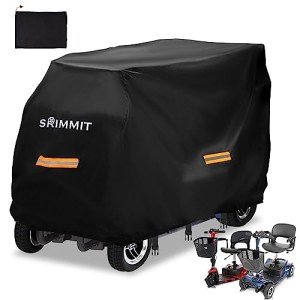
For individuals who rely on mobility scooters, these devices are more than just vehicles; they are essential tools for independence and daily living. However, because a high-quality mobility scooter represents a significant financial investment, protecting it from the elements is a top priority. While a brick-and-mortar garage or a dedicated shed is the traditional storage solution, not every home has the space or the budget for permanent construction.
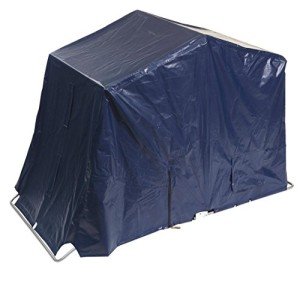
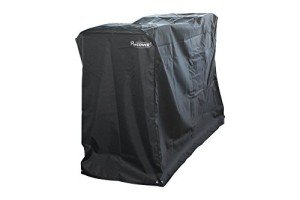
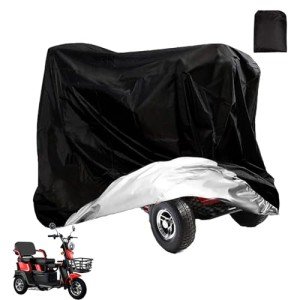
This is where the outdoor mobility scooter storage tent—also known as a waterproof canopy or "scooter garage"—becomes an invaluable asset. This guide explores the benefits, features, and maintenance of these specialized covers, providing a roadmap for those looking to safeguard their mobility.
Why Storage Matters: The Risks of Outdoor Exposure
Mobility scooters are designed for outdoor use, but they are not intended to be stored indefinitely in open-air environments. Modern scooters are packed with sensitive electronics, including speed controllers, battery management systems, and delicate toggle switches. Constant exposure to the weather can lead to several issues:
- Corrosion: Moisture from rain, snow, or even morning dew can settle into the metal components of the frame and the internal wiring, leading to rust.
- Battery Degradation: Extreme temperatures—both high heat and freezing cold—can significantly reduce the lifespan and capacity of lead-acid or lithium-ion batteries.
- UV Damage: Direct sunlight can cause the plastic fairings to become brittle and crack, while also causing the seat material to fade and split.
- Electrical Short-Circuits: Water ingress into the control tiller or the charging port can cause immediate electrical failure.
An outdoor storage tent provides a dedicated micro-environment that shields the device from these risks while keeping it ready for immediate use.
Key Features of a High-Quality Mobility Scooter Canopy
When selecting a storage tent, it is important to distinguish between a simple tarp and a purpose-built scooter garage. Below are the essential features that ensure long-term protection.
1. Waterproofing and Material Grade
The fabric is the most critical component. Most high-end storage tents utilize "Oxford Cloth" with a high denier (D) count. A 600D Oxford cloth is generally considered the industry standard for durability. Furthermore, the material should be treated with a PVC or PU coating to ensure it is 100% waterproof.
2. Ventilation Systems
Total sealing is actually detrimental to a mobility scooter. Without airflow, moist air trapped inside the tent can condense on the cold metal of the scooter, leading to "internal rain." Look for tents with built-in mesh vents that allow air to circulate while keeping pests and rain out.
3. Structural Integrity
The frame should be constructed from powder-coated or galvanized steel to prevent the structure itself from rusting. It must be strong enough to withstand wind gusts and the weight of light snow accumulation.
4. Accessibility
A good storage tent should feature a "clamshell" or "retractable" design. This allows the user to drive the scooter directly onto the base plate and then pull the cover over the top, minimizing the need for heavy lifting or awkward maneuvering.
Technical Comparison of Storage Solutions
To help you decide which model suits your needs, refer to the table below comparing common storage tent types.
Table 1: Outdoor Storage Tent Specifications
| Feature | Lightweight Pop-Up | Mid-Range Oxford Garage | Heavy-Duty Rigid Canopy |
|---|---|---|---|
| Primary Material | 210D Polyester | 600D Oxford Cloth | Reinforced PVC / Polycarbonate |
| Frame Material | Fiberglass Rods | Powder-Coated Steel | Galvanized Steel |
| Weather Resistance | Moderate (Rain/UV) | High (Heavy Rain/Wind) | Extreme (Snow/Gale) |
| Portability | Excellent | Moderate | Low (Permanent) |
| Estimated Lifespan | 1–2 Years | 3–5 Years | 5–10 Years |
| Typical Use Case | Traveling/Holidays | Daily Home Storage | Areas with Extreme Weather |
Finding the Right Fit: Size Guide
Mobility scooters come in various shapes, from compact three-wheel models to heavy-duty, all-terrain four-wheelers. Choosing a tent that is too small will put stress on the zippers and fabric, while a tent that is too large may flap excessively in the wind.
Table 2: Recommended Tent Sizes by Scooter Type
| Scooter Class | Average Length | Average Width | Recommended Tent Size |
|---|---|---|---|
| Portable/Boot Scooter | 90cm – 105cm | 45cm – 52cm | Small (Compact) |
| Mid-Size/Pavement | 120cm – 135cm | 55cm – 65cm | Standard/Medium |
| Heavy Duty / Road Legal | 145cm – 165cm | 65cm – 80cm | Large / Extra Large |
| Double/Side-by-Side | 160cm+ | 90cm+ | Custom / Double Wide |
Note: Always measure your scooter with any accessories (like rear baskets or oxygen tank holders) attached before purchasing a tent.
Installation and Maintenance Tips
To maximize the life of an outdoor storage tent, proper installation is key.
Installation Steps:
- Level Ground: Ensure the tent is placed on a flat, level surface. Concrete or paving slabs are ideal. Placing a tent on soft grass can lead to moisture rising from the ground into the scooter.
- Anchoring: Use the provided floor bolts or ground pegs to secure the frame. In high-wind areas, additional weighted sandbags can be placed on the inner flap.
- Clearance: Leave at least 30cm of space around the tent for easy access and to ensure the folding mechanism doesn't rub against walls or fences.
Maintenance Checklist:
- Monthly Cleaning: Wipe down the exterior fabric with lukewarm water and a mild detergent to remove bird droppings and sap, which can eat through the waterproof coating.
- Lubrication: Apply a silicone-based spray to the zippers and folding pivot points twice a year to prevent sticking.
- Inspection: Checks for small tears or pinholes. Use a specialized "tarp tape" or a fabric repair kit to fix small holes before they grow.
Frequently Asked Questions (FAQ)
1. Can I charge my scooter while it is inside the tent?
Yes, most modern storage tents feature a small "access port" or a gap near the ground where a charging cable can be threaded through. It is crucial to ensure the charger itself stays dry and that there is sufficient ventilation, as batteries can release heat (and in some cases, gasses) during the charging cycle.
2. Is it safe to store a mobility scooter outside during winter?
While a waterproof tent protects from snow and ice, it does not provide insulation against the cold. In freezing temperatures, it is recommended to bring the battery indoors, as prolonged exposure to sub-zero temperatures can permanently damage the battery chemistry.
3. Can the tent be locked for security?
Many storage tents feature eyelets that allow for a padlock to be used on the zippers. However, since the fabric can be cut, a tent should be considered "visual security" (keeping the scooter out of sight) rather than a theft-proof safe. For maximum security, use a heavy-duty chain lock to secure the scooter frame to the tent's ground anchors.
4. Does the tent prevent rust completely?
A tent significantly reduces the risk of rust by keeping the scooter dry. However, the owner must ensure the scooter is relatively dry before parking it inside. Putting a soaking wet scooter into a closed tent creates a "sauna effect," which can accelerate corrosion. Always wipe the scooter down before closing the canopy.
An outdoor mobility scooter storage tent is a practical, cost-effective, and efficient way to preserve the life of a mobility aid. By offering protection against rain, UV rays, and debris, these waterproof canopies ensure that the user's "wheels" are always clean, dry, and ready for the next journey. When choosing a tent, prioritizing durable materials like 600D Oxford cloth and ensuring a proper fit will provide the best return on investment and, most importantly, peace of mind for the owner.