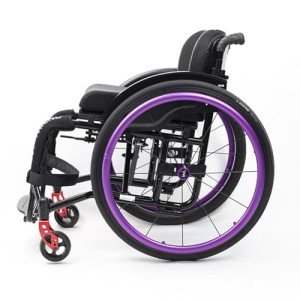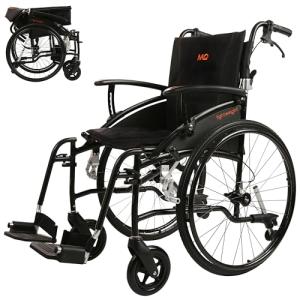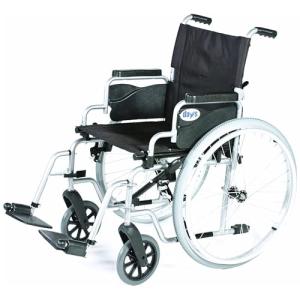





Mobility is a fundamental aspect of human independence, affecting everything from daily routines to social interactions and travel. For individuals with limited mobility, the choice of a wheelchair is not merely a purchase of medical equipment; it is an investment in freedom. Among the various options available on the market, the portable self-propelled folding wheelchair with brakes stands out as a versatile, reliable, and user-centric solution.
This guide explores the intricate details, benefits, and considerations of these wheelchairs, providing a comprehensive overview for users, caregivers, and healthcare providers.
Understanding the Self-Propelled Design
A self-propelled wheelchair is characterized by its large rear wheels, typically equipped with hand rims. These rims allow the user to rotate the wheels manually, granting them the autonomy to navigate their environment without relying on an attendant. Unlike transit or transport chairs, which have four small wheels and require a second person to push, self-propelled models empower the individual.
The addition of a "portable" and "folding" mechanism further enhances this utility. By using lightweight materials like aluminum and a cross-brace frame design, these chairs can be collapsed into a compact shape, making them ideal for storage in car trunks or for travel on public transportation.
Key Features and Their Importance
- Large Rear Wheels with Hand Rims: These provide the leverage necessary for independent movement. The wheels are often outfitted with solid or pneumatic tires.
- Folding Cross-Brace Frame: This allows the chair to "scissor" shut, reducing its width significantly for storage.
- Comprehensive Braking Systems: Safety is paramount. These chairs usually feature manual parking brakes and, frequently, attendant handbrakes for additional control on inclines.
- Quick-Release Components: Many portable models allow for the easy removal of footrests and sometimes the rear wheels, further reducing the weight and size for transport.
Technical Specifications: A Closer Look
When selecting a wheelchair, understanding the technical specifications is vital to ensure it meets the physical requirements of the user.
Table 1: General Specifications of a Standard Portable Self-Propelled Wheelchair
| Specification | Typical Measurement/Medium |
|---|---|
| Frame Material | Lightweight Aluminum or Reinforced Steel |
| Seat Width Options | 16, 18, or 20 inches |
| Weight Capacity | 100 kg to 135 kg (Standard); Up to 200 kg (Bariatric) |
| Chair Weight | 12 kg to 18 kg (Lightweight models) |
| Front Caster Size | 6 to 8 inches |
| Rear Wheel Size | 22 to 24 inches |
| Braking System | Push-to-lock user brakes + Attendant cable brakes |
The Advantage of Frame Materials
The choice of material impacts both the durability and the portability of the wheelchair. While steel is known for its robustness and cost-effectiveness, aluminum dominates the portable market due to its strength-to-weight ratio.
Table 2: Frame Material Comparison
| Feature | Carbon Steel | Aluminum Alloy |
|---|---|---|
| Weight | Heavy | Lightweight |
| Durability | High | High |
| Corrosion Resistance | Moderate (can rust if scratched) | High (naturally rust-resistant) |
| Portability | Lower | Very High |
| Best For | Heavy-duty, stationary use | Travel, active daily use |
The Significance of the Braking System
Safety remains the highest priority for any mobility aid. A portable self-propelled wheelchair with brakes typically utilizes a dual-action system:
- User Parking Brakes: Located near the front of the large rear wheels, these are "push-to-lock" or "pull-to-lock" levers. They ensure the chair remains stationary when the user is transferring in or out of the seat or when stopped on a flat surface.
- Attendant Handbrakes: Often located on the push handles at the back, these function similarly to bicycle brakes. They are essential for caregivers when navigating ramps or uneven terrain, allowing them to control the speed of the wheelchair without straining their own bodies.
Benefits of the Portable Folding Design
The shift toward portable designs has revolutionized how wheelchair users interact with the world. The benefits extend beyond simple movement:
- Ease of Travel: Whether it is a trip to the grocery store or a flight across the country, a folding chair can be stowed easily.
- Space-Saving: For those living in smaller apartments or assisted living facilities, the ability to tuck the wheelchair into a closet is invaluable.
- Increased Social Participation: Because the chair is easy to transport in a standard vehicle, users are more likely to attend social gatherings, outdoor events, and family functions.
- Physical Activity: Self-propelling provides a level of cardiovascular and upper-body exercise, which can contribute to better overall health and muscle tone.
Selection Criteria: How to Choose the Right Model
Selecting the correct wheelchair involves more than just looking at the price tag. The following factors should be carefully considered:
- User Dimensions: The seat width should allow for about an inch of space on either side of the hips. The seat depth should support the thighs without hitting the back of the knees.
- Terrain Awareness: If the chair will be used primarily indoors, solid tires are preferred as they are maintenance-free. If used outdoors on gravel or grass, pneumatic (air-filled) tires provide better shock absorption.
- Weight of the Chair: If the user or a caregiver needs to lift the chair into a car frequently, a model weighing under 15 kg is highly recommended.
- Adjustability: Look for models with adjustable footrest lengths and armrest heights to ensure ergonomic seating.
Maintenance Tips for Longevity
To ensure the safety and longevity of a portable self-propelled wheelchair, a regular maintenance schedule should be followed.
- Weekly Tasks:
- Wipe down the frame with a damp cloth to remove dust and salt.
- Check tire pressure (if pneumatic).
- Ensure the brakes lock and release smoothly.
- Monthly Tasks:
- Inspect the upholstery for tears or sagging.
- Check for loose bolts or screws, particularly around the folding cross-brace.
- Clean the front caster axles to remove hair or debris that could impede rotation.
- Annual Tasks:
- Have a professional check the wheel alignment and bearing health.
Frequently Asked Questions (FAQ)
1. Can a self-propelled wheelchair be pushed by someone else?
Yes. All self-propelled wheelchairs come with push handles at the rear, allowing an attendant to take over if the user becomes tired or encounters difficult terrain.
2. Can these wheelchairs be taken on an airplane?
Most portable folding wheelchairs are "gate-check" friendly. Because they do not contain batteries (unlike electric wheelchairs), they are generally easy to transport on flights, but it is always best to check with the specific airline’s policy.
3. Are the wheels easy to remove for transport?
Many modern portable models feature "quick-release" rear wheels. By pressing a button in the center of the axle, the wheel pops off, making the frame much lighter and easier to fit into tight spaces.
4. What is the difference between "transit" brakes and "parking" brakes?
Parking brakes are designed to keep the chair still when stopped. Transit or attendant brakes (located on the handles) are designed to slow the chair down while it is in motion.
5. Is a lightweight aluminum chair as strong as a steel one?
Yes, high-grade aluminum alloys used in medical equipment are engineered to support significant weight while remaining much lighter than traditional steel.
The portable self-propelled folding wheelchair with brakes represents a pinnacle of functional design in mobility aids. By combining the independence of self-propulsion with the convenience of a compact, foldable frame, it addresses the dual needs of autonomy and practicality. With robust braking systems ensuring safety and lightweight materials facilitating easy transport, this type of wheelchair serves as a vital tool in helping individuals lead active, engaged, and independent lives. When choosing a model, focusing on the user’s specific physical needs and the quality of the braking and folding mechanisms will ensure a long-lasting and life-enhancing investment.