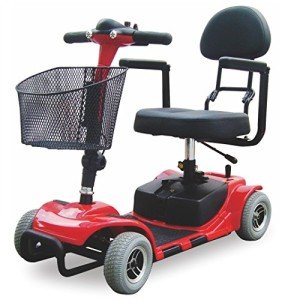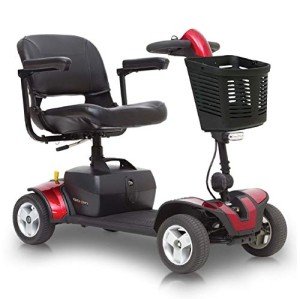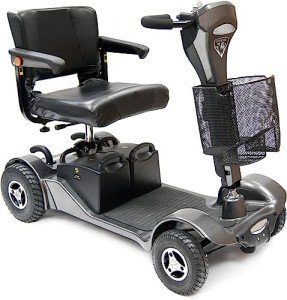

For individuals living with limited mobility, the world can sometimes feel like it is shrinking. However, the advancement of modern mobility technology has paved the way for renewed independence. One of the standout performers in the compact mobility market is the Scout Portable 4mph Travel Mobility Scooter. Designed by Drive DeVilbiss, this scooter has earned a reputation for balancing performance, portability, and value.
This guide provides a comprehensive look at the features, technical specifications, and benefits of the Scout Portable Mobility Scooter, helping prospective users and caregivers make an informed decision.
An Overview of the Scout Scooter
The Scout Portable 4mph Travel Mobility Scooter is falls into the category often referred to as "boot scooters." These are lightweight models designed specifically for easy disassembly and transportation in the trunk of a car. Unlike larger, road-legal Class 3 scooters, the Scout is a Class 2 vehicle, meaning it is intended for use on pavements, in shopping centers, and for travel purposes.
What sets the Scout apart is its integration of features usually found on larger models—such as a delta tiller and stylish aesthetics—within a frame that remains remarkably maneuverable in tight spaces.
Key Features and Design
1. Next-Generation Disassembly
One of the primary reasons users opt for the Scout is its "next-generation" splitting mechanism. The scooter can be dismantled into five lightweight pieces without the need for specialized tools. This allows the heaviest part to be lifted easily into a vehicle, making it an ideal companion for day trips to the park or holidays abroad.
2. Ergonomic Delta Tiller
Standard mobility scooters often use T-shaped handlebars, which can be tiring for individuals with arthritis or limited hand strength. The Scout features a "Delta" tiller as standard. This wrap-around handle allows the user to operate the scooter using either their fingers or thumbs, offering multiple grip positions to reduce fatigue during longer journeys.
3. Puncture-Proof Tyres
Reliability is paramount when traveling away from home. The Scout is equipped with black, non-marking, puncture-proof power tyres. This ensures that the user will not be stranded by a flat tyre and eliminates the maintenance hassle of checking air pressure.
Technical Specifications at a Glance
To understand the Scout's capabilities, it is essential to look at the hard data. Below is a detailed breakdown of the technical specifications for the standard model.
Table 1: Scout Portable 4mph Technical Data
| Feature | Specification |
|---|---|
| Top Speed | 4 mph (6.4 kph) |
| Maximum Range | Up to 10 miles (16 km)* |
| Max User Weight | 130 kg (20 stone) |
| Overall Length | 108 cm (42.5") |
| Overall Width | 48 cm (19") |
| Overall Height | 91 cm (36") |
| Seat Width | 43 cm (17") |
| Ground Clearance | 4.5 cm (1.75") |
| Battery Type | 2 x 12V 12Ah |
| Total Weight | 43 kg (95 lbs) |
| Heaviest Part (When disassembled) | 16 kg (35 lbs) |
*Range depends on user weight, terrain, and battery health.
Battery Options and Performance
While the standard Scout comes with 12Ah batteries, there is often an option to upgrade to a "Super Scout" or "Scout Plus" variant, which utilizes 20Ah batteries. This upgrade significantly increases the distance the scooter can travel on a single charge.
Table 2: Battery Comparison
| Feature | Standard 12Ah Battery | Extended 20Ah Battery |
|---|---|---|
| Typical Range | 6–10 miles | 10–13 miles |
| Charging Time | 6–8 hours | 8–10 hours |
| Ideal For | Short trips, shopping malls | Full days out, hilly areas |
| Weight Impact | Lighter overall weight | Slightly heavier battery box |
The Scout also supports "off-board" charging. This means the battery pack can be removed from the scooter and taken inside the house to be charged, leaving the rest of the scooter in the car or a storage shed.
Comfort and User Experience
A common concern with portable scooters is that comfort might be sacrificed for the sake of weight reduction. The Scout addresses this through several design choices:
- Swivel Seat: The seat rotates 360 degrees and can be locked in various positions, making it much easier for the user to get on and off the scooter from the side.
- Adjustable Armrests: The armrests are both width and angle adjustable, allowing for a personalized fit.
- On-board Storage: A front-mounted removable basket provides a convenient place for personal items or light shopping.
- Leg Room: Despite its compact dimensions, the Scout is designed with a cleverly shaped floor plan to maximize the available space for the user’s feet.
Why Choose the Scout? (Pros and Cons)
When evaluating the Scout against other travel scooters, it is helpful to look at the specific advantages it offers.
Benefits of the Scout Scooter:
- Portability: The heaviest part (the front section) is manageable for most adults, weighing approximately 16kg.
- Ease of Control: The Delta tiller is a premium inclusion that makes driving intuitive and comfortable.
- Aesthetics: High-gloss metallic finish and stylish silver wheel hubs give it a modern look.
- Reliability: Drive DeVilbiss is an established manufacturer with a strong spare parts network.
- Safety: Features such as anti-tip wheels at the rear and an automatic electromagnetic braking system provide peace of mind.
Potential Limitations:
- Ground Clearance: With only 4.5cm of clearance, it is not designed for rough terrain, high curbs, or thick grass.
- Suspension: Like most travel scooters in this price bracket, it lacks a dedicated suspension system, meaning bumps on uneven pavements will be felt.
Maintenance and Care
To ensure the Scout remains in peak condition, users should follow a simple maintenance routine:
- Battery Care: Charge the batteries after every use, and never let them run completely flat.
- Cleaning: Use a damp cloth to wipe down the shroud and seat. Avoid using high-pressure hoses.
- Storage: Store the scooter in a dry, cool environment. If the scooter isn't used for long periods, charge the batteries at least once a month.
- Annual Service: It is recommended to have the scooter serviced by a professional once a year to check the motor brushes and electronic connections.
Frequently Asked Questions (FAQ)
Can I take the Scout scooter on an airplane?
Most airlines allow the Scout, provided it is equipped with Dry Cell (AGM or Gel) batteries, which are standard for this model. However, it is essential to notify the airline at least 48 hours in advance and provide the battery specifications.
How do I disassemble the Scout for transport?
The process is straightforward:
- Remove the seat by lifting it straight up.
- Remove the battery box (it lifts out via a handle).
- Remove the front basket.
- Fold down the tiller towards the floor.
- Pull the release lever to separate the front and rear sections.
Is the Scout suitable for outdoor use?
The Scout is designed for "smooth" outdoor use, such as paved paths, sidewalks, and flat park trails. It is not an off-road vehicle and should not be used on steep inclines or muddy surfaces.
What is the weight limit for the Scout?
The maximum user weight is 130kg (20 stone). Exceeding this limit can strain the motor and significantly reduce battery life.
Does it come with a warranty?
Standard models typically come with a 12-month manufacturer’s warranty covering the frame, electronics, and motor, though this can vary depending on the retailer.
The Scout Portable 4mph Travel Mobility Scooter remains one of the most popular choices in the Class 2 category for good reason. It successfully bridges the gap between basic portable models and more expensive, feature-heavy scooters. For those looking for a reliable, easy-to-use, and aesthetically pleasing travel companion, the Scout offers a significant boost to independence and confidence. Whether it is a trip to the local supermarket or a family vacation, the Scout ensures that mobility limitations do not have to mean a limitation on life’s experiences.