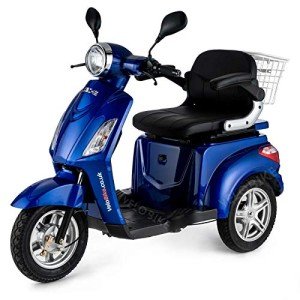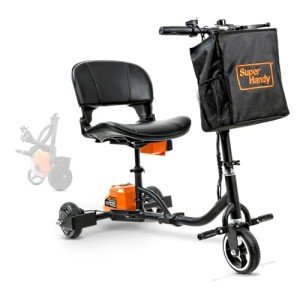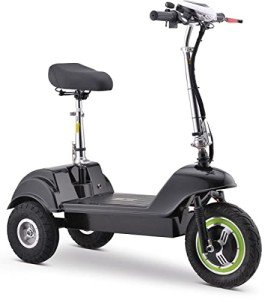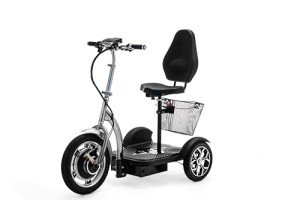


The landscape of personal transportation has undergone a significant transformation over the last decade. One of the most impactful innovations in this space is the foldable electric 3-wheel mobility scooter. Designed to bridge the gap between bulky, traditional power wheelchairs and manual aids, these devices offer a unique blend of portability, efficiency, and stability.
For individuals facing mobility challenges due to age, injury, or chronic conditions, the ability to move freely is synonymous with independence. This guide explores the intricate details, benefits, and technical specifications of foldable 3-wheel scooters to help users and caregivers make an informed decision.
The Rise of Compact Mobility Solutions
In the past, mobility scooters were often heavy, cumbersome, and required specialized vehicle lifts for transport. The advent of lightweight alloys and advanced lithium-ion battery technology has changed the paradigm. Today’s foldable models are engineered to fit into the trunks of standard sedans, making them ideal for travel, shopping trips, and navigating tight indoor spaces.
The 3-wheel design, specifically, is favored for its superior maneuverability. Unlike 4-wheel counterparts, 3-wheel scooters have a much tighter turning radius, allowing users to navigate crowded grocery aisles, narrow hallways, and compact elevators with ease.
Key Benefits of Foldable 3-Wheel Scooters
Integrating a foldable electric scooter into one's life offers several advantages that go beyond simple movement.
1. Portability and Storage
The primary draw of these scooters is their folding mechanism. Many models can be folded in under 20 seconds, some via a remote control and others manually. This eliminates the need for expensive van conversions or external lift racks.
2. Enhanced Maneuverability
With a single wheel in the front, the scooter can pivot almost on the spot. This makes it the preferred choice for indoor use where space is at a premium.
3. Travel-Friendliness
Most foldable scooters are designed with airline travel in mind. Many utilize TSA-approved lithium batteries, allowing users to take their mobility aid on vacations and cross-country flights.
4. Cost-Effectiveness
Because they do not require specialized vehicles for transport and often have fewer mechanical parts than larger 4-wheel units, the long-term cost of ownership is frequently lower.
Comparison of Mobility Scooter Types
To understand why the 3-wheel foldable model is popular, it is helpful to compare it against other common options.
Table 1: Mobility Scooter Comparison Matrix
| Feature | Foldable 3-Wheel Scooter | 4-Wheel Mobility Scooter | Manual Wheelchair |
|---|---|---|---|
| Turning Radius | Very Tight (Excellent) | Moderate | Tight |
| Stability | Good (On flat surfaces) | Excellent (All-terrain) | Depends on user |
| Portability | High (Foldable/Light) | Low (Needs Lift/Large Vehicle) | High |
| Power Source | Electric Battery | Electric Battery | Manual Effort |
| Best For | Indoor/Paved outdoor use | Rugged terrain/Long distance | Short distances/Assisted travel |
Technical Specifications to Consider
When evaluating a foldable electric 3-wheel mobility scooter, several technical components dictate the performance and longevity of the device.
The Power System: Motors and Batteries
Modern scooters typically use brushless DC motors, which are quieter and more efficient than older brushed versions. Power is usually provided by Lithium-ion (Li-ion) batteries. These are preferred over Sealed Lead Acid (SLA) batteries because they are significantly lighter and hold a charge through more cycles.
Weight Capacity and Frame Material
The frame is usually constructed from aircraft-grade aluminum or magnesium alloy. While the scooter itself may weigh between 45 and 65 pounds, many can support users weighing up to 250–300 pounds. It is crucial to check the weight capacity to ensure the motor and frame are not overstressed.
Range and Speed
- Average Speed: 4 mph to 6 mph (regulated for safety).
- Average Range: 10 to 15 miles on a single charge.
- Climbing Angle: Most 3-wheel scooters can handle inclines up to 6–8 degrees.
Essential Features for Users
Beyond the motor and battery, several ergonomic and safety features contribute to the overall user experience.
List of Critical Safety and Comfort Features:
- Electromagnetic Brakes: These automatically engage when the user releases the throttle, preventing the scooter from rolling on inclines.
- Adjustable Tiller: The "steering column" should be adjustable in height and angle to prevent shoulder and back strain.
- Anti-Tip Wheels: Small rear wheels that prevent the scooter from tipping backward on slopes.
- Padded Seating: Look for contoured seats with flip-up armrests for easier side-entry and exit.
- LED Lighting: Front headlights and rear reflectors are essential for visibility during evening use.
Folding Mechanisms: Manual vs. Automatic
Prospective buyers often have to choose between two folding styles.
Table 2: Folding Style Comparison
| Feature | Manual Folding | Automatic/Remote Folding |
|---|---|---|
| Ease of Use | Requires some physical bending/pulling | Push-button operation |
| Weight | Generally lighter (no extra motors) | Slightly heavier due to folding motor |
| Price | More affordable | Higher price point |
| Reliability | Fewer electronic parts to fail | Extremely convenient for those with limited hand strength |
Maintenance and Care
To ensure the longevity of a foldable electric scooter, a consistent maintenance routine is required. Following these steps helps prevent unexpected breakdowns:
- Battery Health: Never let the battery sit at 0% for long periods. Charge it after every significant use.
- Tire Inspection: Most foldable scooters use solid, "flat-free" tires. Check them for wear and tear or debris stuck in the treads.
- Cleaning: Use a damp cloth to wipe down the frame. Avoid using high-pressure water hoses, as electronics are sensitive to moisture.
- Tightening Bolts: Periodic vibration from use can loosen bolts. A monthly check of the tiller and seat adjustments is recommended.
Is a 3-Wheel Scooter Right for Everyone?
While the benefits are numerous, 3-wheel scooters are best suited for specific environments. Due to their design, they are less stable on uneven grass or gravel compared to 4-wheel models. They are ideal for individuals who spend a significant amount of time in malls, airports, apartment buildings, and paved parks. Those living in rural areas with unpaved paths may need to consider more robust 4-wheel options.
Frequently Asked Questions (FAQ)
1. Are foldable 3-wheel mobility scooters allowed on airplanes?
Yes, most are. However, it is essential to ensure the battery is "dry-cell" or lithium-ion and meets the Watt-hour (Wh) limits set by the airline (usually under 300Wh). Users should always notify the airline in advance.
2. How much does a typical foldable scooter weigh?
Most models weigh between 45 and 60 pounds. Many are designed to be "tri-folded" or disassembled into two lighter pieces to make lifting even easier.
3. Can these scooters be used in the rain?
While most can handle a light drizzle, they are not waterproof. Protection of the control panel (throttle) is vital, and users should avoid driving through deep puddles to protect the motor and battery.
4. Do I need a driver's license to operate one?
No. In most jurisdictions, mobility scooters are classified as medical devices or "pedestrians," and do not require a license, registration, or insurance to operate on sidewalks.
5. How long does the battery last?
With proper care, a lithium-ion battery in a mobility scooter typically lasts between 2 and 4 years before it begins to lose significant capacity and requires replacement.
The foldable electric 3-wheel mobility scooter represents a peak in accessible engineering. It offers the perfect middle ground for users who need assistance with long distances but do not want to sacrifice their ability to travel or navigate tight spaces. By prioritizing portability without neglecting safety, these devices empower individuals to remain active participants in their communities, turning what might be a stay-at-home day into an opportunity for adventure.
When choosing a model, it is vital to weigh the importance of weight, range, and folding style to find the perfect match for one's lifestyle. With the right scooter, the world becomes much more accessible.