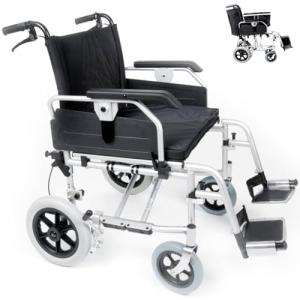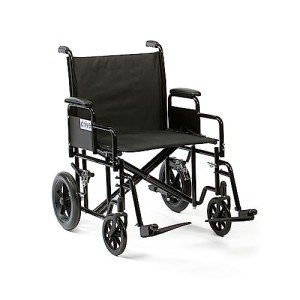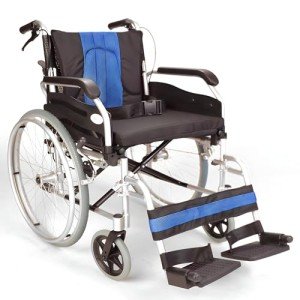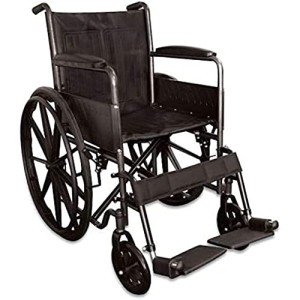





Mobility is a fundamental human requirement, yet for many individuals with larger frames or specific medical needs, finding a mobility solution that balances strength with portability can be a significant challenge. Standard wheelchairs often fail to provide the structural integrity or seat width required for safety and comfort. This is where the U-GO Atlas Heavy Duty Folding Wheelchair enters the market as a robust, dependable solution.
Designed specifically for bariatric users, the U-GO Atlas focuses on durability without sacrificing the convenience of a foldable design. This guide provides an in-depth exploration of its features, technical specifications, and the practical benefits it offers to both users and caregivers.
The Engineering of Strength: Frame and Construction
The primary distinction of the U-GO Atlas lies in its reinforced construction. While standard wheelchairs are typically designed for weights up to 115kg (approx. 18 stone), the Atlas is engineered to support significantly higher capacities, typically up to 200kg (31.5 stone).
The Double Cross-Brace System
At the heart of the U-GO Atlas is a heavy-gauge steel frame supported by a double cross-brace. The cross-brace is the mechanism beneath the seat that allows the chair to fold. In a heavy-duty model, a single brace would be a point of failure under high stress. By doubling this component, the Atlas ensures that weight is distributed evenly across the frame, preventing warping and providing a stable ride even on uneven surfaces.
Durable Finish
The frame is usually finished with a chip-resistant coating. This is not merely an aesthetic choice; for heavy-duty equipment that may be frequently loaded into vehicles or moved through narrow doorways, a resilient finish prevents corrosion and maintains the structural integrity of the metal over years of use.
Technical Specifications at a Glance
For healthcare providers and families, technical data is essential for ensuring the chair meets the specific dimensions of the user’s environment.
| Feature | Specification |
|---|---|
| Max User Weight | 200 kg (31.5 Stone) |
| Available Seat Widths | 20" (51cm), 22" (56cm), 24" (61cm) |
| Frame Material | Reinforced Heavy-Gauge Steel |
| Folding Mechanism | Double Cross-Brace |
| Front Castors | 8" Heavy Duty Solid Tyres |
| Rear Wheels | 24" Mag Wheels with Solid Tyres |
| Upholstery | Reinforced, Heavy-Duty Nylon |
| Armrests | Removable, Padded Desk-Length |
| Footrests | Swing-away, Height Adjustable |
Comfort and Ergonomics for the Bariatric User
A wheelchair is more than a transport device; it is a primary environment for the user. The U-GO Atlas addresses the unique ergonomic needs of larger individuals through several key design choices:
- Extended Seat Widths: The Atlas offers wider seating options ranging from 20 to 24 inches. This prevents pressure sores by ensuring the user is not compressed against the side panels.
- Reinforced Upholstery: Standard fabric can sag over time under heavier loads, which leads to poor pelvic alignment. The Atlas utilizes heavy-duty, reinforced nylon upholstery that maintains its tension, providing better postural support.
- Padded Desk-Arms: The armrests are designed at "desk length," meaning they are shorter at the front. This allows the user to pull up closer to tables and desks without having to exit the chair. Furthermore, they are often removable to facilitate side transfers from a bed or another chair.
- Swing-Away Footrests: To make ingress and egress safer, the footrests swing out of the way. They are also height-adjustable to ensure the user’s feet are properly supported, which is vital for reducing pressure on the thighs.
Portability: The Folding Advantage
One of the most significant drawbacks of "heavy-duty" medical equipment is often its bulkiness. Many bariatric chairs are rigid, making them nearly impossible to transport in a standard car boot. The U-GO Atlas solves this by remaining fully foldable.
Despite its reinforced frame, the chair can be collapsed by pulling up on the seat upholstery. This reduces the width of the chair significantly. For further space-saving, the footrests can be removed entirely. This portability ensures that users are not confined to their homes and can attend medical appointments or social outings with ease.
Safety and Stability Features
Safety is paramount when dealing with higher weight capacities. The U-GO Atlas incorporates several features to ensure the user remains secure:
- Solid Tyres: The 24-inch rear wheels and 8-inch front castors are fitted with solid tyres. This eliminates the risk of punctures—a critical factor for heavy-duty chairs where a flat tyre could lead to an immediate loss of stability or leave the user stranded.
- Braking Systems: The chair features robust push-to-lock brakes located within easy reach of the user. These brakes engage directly with the solid rear tyres to provide a secure park.
- Heavy Duty Mag Wheels: Instead of traditional spoke wheels, which can bend or break under high tension, the Atlas often utilizes "Mag" wheels. These are molded from a single piece of high-strength composite, offering superior weight-bearing capabilities.
Why Choose the U-GO Atlas? (A Comparative List)
When compared to standard manual wheelchairs, the U-GO Atlas provides several distinct advantages:
- Longevity: Built to withstand the rigors of daily use by heavier users, reducing the frequency of repairs or replacements.
- Safety Compliance: Specifically tested for bariatric weight loads, providing peace of mind to both the user and their family.
- Enhanced Stability: The wider wheelbase and double brace significantly reduce the "tippy" feeling some users experience in narrower, lighter chairs.
- Adaptability: With adjustable footrests and removable arms, it can be customized to the user’s specific physical dimensions.
Maintenance Tips for Heavy Duty Wheelchairs
To ensure the U-GO Atlas remains in peak condition, regular maintenance is recommended:
- Check the Cross-Brace: Periodically inspect the folding mechanism for any debris or signs of wear.
- Clean the Upholstery: Use a damp cloth and mild detergent to keep the nylon seating clean and free of bacteria.
- Inspect the Brakes: Ensure the locking mechanism is biting firmly into the tyre.
- Tighten Bolts: Due to the weight loads handled, it is wise to check that all bolts and hardware remain tight every few months.
Frequently Asked Questions (FAQ)
Q: Can the U-GO Atlas be pushed by an attendant?A: Yes. While it is designed as a self-propelled wheelchair (with large rear wheels), it includes ergonomic handles at the rear for an attendant to assist with pushing.
Q: Will this wheelchair fit through a standard doorway?A: This depends on the seat width chosen. A 24-inch seat model will have a total width of approximately 30-32 inches. It is essential to measure your home’s internal doorways before purchase.
Q: Is the chair suitable for outdoor use?A: Absolutely. The solid tyres and steel frame are designed to handle pavements and flat outdoor surfaces. However, like most manual wheelchairs, it is not intended for deep sand or thick mud.
Q: Can the backrest be folded down?A: Most models of the U-GO Atlas feature a fixed backrest for maximum structural strength, though some versions may offer a progressive folding back for easier storage in smaller vehicles.
Q: What is the weight of the chair itself?A: Due to the heavy-gauge steel construction, the chair is heavier than a standard aluminium model, typically weighing between 18kg and 22kg depending on the seat width.
The U-GO Atlas Heavy Duty Folding Wheelchair represents a vital intersection of strength, safety, and practicality. For the bariatric community, it offers the freedom to navigate the world with confidence, knowing their equipment is purpose-built for their needs. By combining the structural integrity of a double cross-brace frame with the convenience of a folding design, the Atlas ensures that a need for extra support does not have to result in a loss of mobility. Whether for clinical use or daily independence, the U-GO Atlas stands as a heavyweight champion in the world of manual mobility.