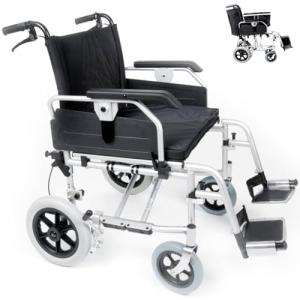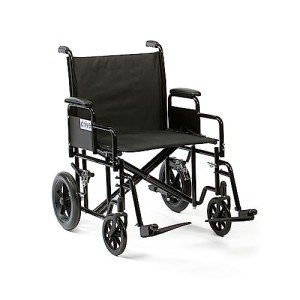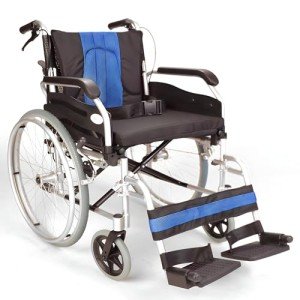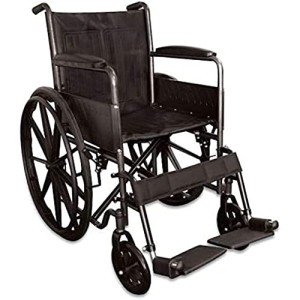





For individuals with limited mobility, a wheelchair is more than just a piece of medical equipment; it is a gateway to independence, social engagement, and a higher quality of life. However, for bariatric users or those who require a more robust frame, standard wheelchairs often fall short in terms of durability, seat width, and weight capacity. The U-GO Atlas Heavy-Duty Self-Propelled Wheelchair was engineered specifically to bridge this gap.
Designed with stability and user autonomy in mind, the U-GO Atlas provides a heavy-duty solution that does not compromise on functionality. This guide explores the intricate design, technical specifications, and practical benefits of this specialized mobility aid.
Built for Durability: The Reinforced Frame
The cornerstone of the U-GO Atlas is its reinforced structure. Unlike standard manual wheelchairs that utilize a single cross-brace, the Atlas model is constructed with a heavy-duty double cross-brace system. This design choice is vital for distributing weight evenly across the steel frame, ensuring that the chair remains stable even when subjected to its maximum weight load.
The frame itself is crafted from high-grade steel, finished with a chip-resistant coating to ensure longevity. While steel is heavier than aluminum, it offers the structural integrity required for a bariatric chair, providing the user with a sense of security that lightweight models often lack.
Key Technical Specifications
To understand the capabilities of the U-GO Atlas, it is necessary to examine the technical data. The following table highlights the primary specifications:
| Feature | Specification |
|---|---|
| Frame Material | Reinforced Heavy-Duty Steel |
| Max User Weight Capacity | 31.5 Stone (approx. 200 kg) |
| Rear Wheel Type | 24-inch transit wheels with handrims |
| Front Castor Size | 8-inch heavy-duty solid castors |
| Upholstery | Heavy-duty, wipe-clean nylon |
| Braking System | Push-to-lock manual brakes |
| Weight of Chair | Approx. 22 kg - 24 kg (depending on width) |
Ergonomics and User Comfort
A wheelchair is only effective if the user can sit in it for extended periods without discomfort. The U-GO Atlas addresses ergonomics through several thoughtful design choices.
Seat Width and Depth
The Atlas is typically offered in wider seat configurations than standard chairs. While most standard chairs offer an 18-inch seat, the Atlas is commonly available in 20-inch and 22-inch variants. This extra room prevents pressure sores and ensures that users with larger frames are not constricted.
Table 2: Seat Width Selection Guide
| Seat Width | Suitable For |
|---|---|
| 20 Inches (51 cm) | Users requiring extra room compared to standard 18-inch models. |
| 22 Inches (56 cm) | Users requiring maximum space and comfort for bariatric needs. |
Armrests and Footrests
The chair features "desk-style" armrests. These are uniquely shaped to be shorter at the front, allowing the user to pull up close to a desk or dining table without having to exit the chair or remove the armrests. Furthermore, the armrests are padded and removable, which facilitates easier side transfers from a bed or another chair.
The swing-away footrests are another critical feature. They can be moved to the side or removed entirely, making it safer for the user to stand up or sit down without tripping over the footplates.
Self-Propulsion and Maneuverability
As a "self-propelled" model, the U-GO Atlas is equipped with large 24-inch rear wheels featuring ergonomic handrims. This allows users with sufficient upper-body strength to navigate their environment independently.
Puncture-Proof Tires
One of the most practical aspects of the U-GO Atlas is the inclusion of solid, puncture-proof tires. Unlike pneumatic (air-filled) tires, these do not require a pump and will never go flat. This is particularly important for heavy-duty chairs, as the weight of the chair and user puts significant pressure on the tires; solid tires ensure consistent performance across various terrains, from smooth indoor floors to paved outdoor paths.
Handling and Control
Despite its heavy-duty build, the chair is designed for manageable handling. The 8-inch front castors provide a tight turning radius, which is essential for navigating hallways or shopping aisles. For caregivers, the chair includes ergonomic push handles at the rear, ensuring that assistance can be provided comfortably when the user becomes fatigued.
Practical Advantages for the Daily User
The U-GO Atlas is built with the user's lifestyle in mind. Here is a list of the primary benefits of choosing this specific model:
- Enhanced Independence: The large rear wheels empower users to move without constant assistance.
- Safety First: The double cross-brace prevents frame flexing, providing a rigid and safe platform.
- Ease of Maintenance: With a wipe-clean nylon seat and puncture-proof tires, the chair requires minimal upkeep.
- Portability: Although it is a heavy-duty chair, it features a folding mechanism that allows it to be stored in a vehicle trunk or a closet when not in use.
- Transfer Ease: Removable armrests and swing-away footrests make getting in and out of the chair much simpler for both the user and the carer.
Maintenance and Safety Tips
To ensure the U-GO Atlas remains in peak condition, regular (though simple) maintenance is recommended. Follow these guidelines for the best experience:
- Frame Inspection: Periodically check the folding mechanism and cross-brace for any signs of wear or debris.
- Brake Testing: Ensure the push-to-lock brakes engage firmly against the tires.
- Cleaning: Use a damp cloth and mild detergent to clean the nylon upholstery and steel frame.
- Weight Awareness: Always adhere to the 31.5-stone weight limit to maintain the structural integrity of the steel frame.
- Obstacle Clearance: When self-propelling outdoors, be mindful of high curbs or steep inclines, as the heavier frame may require more effort to navigate.
Frequently Asked Questions (FAQ)
1. Is the U-GO Atlas suitable for indoor and outdoor use?
Yes. The solid tires and durable steel frame make it suitable for various environments. However, due to its wider seat, users should measure their internal doorways to ensure the chair can pass through easily.
2. Can the chair be transported in a car?
Yes, the U-GO Atlas is a folding wheelchair. The backrest can often be folded down, and the footrests can be removed to make the chair more compact for transit. Users should note that because it is a heavy-duty steel chair, it is heavier to lift than aluminum models.
3. Does the chair come with a warranty?
Typically, the U-GO Atlas comes with a manufacturer’s warranty covering the frame and moving parts. It is recommended to check with the specific retailer for the duration and terms of the warranty.
4. Are the footrests adjustable?
Yes, the footrests are height-adjustable to accommodate users of different heights, ensuring that the legs are supported correctly to prevent pressure on the thighs.
5. Can a cushion be added to the seat?
Absolutely. While the nylon upholstery is durable, many users choose to add a pressure-relief or foam cushion for extra comfort, which is easily accommodated by the wide seat dimensions.
The U-GO Atlas Heavy-Duty Self-Propelled Wheelchair represents an ideal balance of strength, safety, and autonomy. By focusing on a reinforced steel frame and bariatric-friendly dimensions, it provides a reliable solution for individuals who require more support than a standard wheelchair can offer.
Whether it is being used for independent self-propulsion or being pushed by a caregiver, the Atlas ensures that the user can move through their day with confidence. Its low-maintenance design and ergonomic features make it a standout choice in the heavy-duty mobility market, proving that a robust build doesn't have to come at the expense of user comfort.