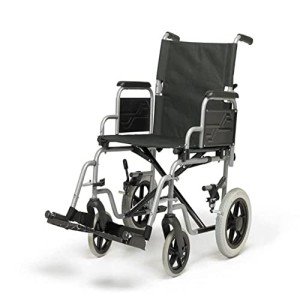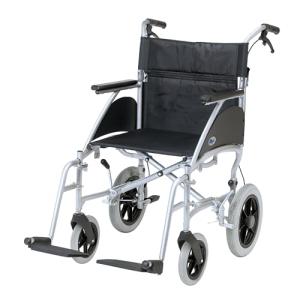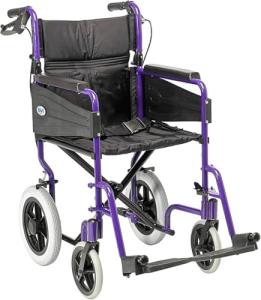





For individuals with mobility challenges and their caregivers, the prospect of travel—whether it’s a quick trip to the mall, a flight across the country, or a cruise around the Mediterranean—often comes with a unique set of logistical hurdles. Traditional wheelchairs, while sturdy, are frequently heavy, bulky, and difficult to transport in standard vehicle trunks or airplane overhead bins.
The emergence of the ultra-lightweight folding travel wheelchair with an included carry bag has revolutionized the industry. These devices are designed specifically for portability, ease of use, and durability without the excessive weight of standard medical equipment. This guide provides an in-depth look at why these specialized chairs are becoming the gold standard for mobile freedom.
What Defines an Ultra-Lightweight Travel Wheelchair?
The term "ultra-lightweight" typically refers to wheelchairs that weigh between 15 and 25 pounds. In contrast, standard manual wheelchairs can weigh upwards of 35 to 45 pounds. Achieving this weight reduction requires the use of high-tech materials and streamlined engineering.
Key Materials
Most travel wheelchairs utilize one of two primary materials for their frames:
- Aluminum: Specifically aircraft-grade aluminum, which offers an excellent strength-to-weight ratio. It is rust-resistant and highly durable.
- Carbon Fiber: Found in high-end models, carbon fiber is significantly lighter than aluminum while maintaining immense rigidity, though it often comes at a higher price point.
The Portability Factor: Folding Mechanisms
Unlike standard chairs that may only fold "halfway" or require the removal of wheels, travel wheelchairs often feature a "double-fold" or "compact-fold" design. This allows the backrest to fold down and the frame to collapse inward, reducing the chair to the size of a large suitcase.
The Role of the Carry Bag in Travel
One of the most overlooked yet vital components of a travel wheelchair is the carry bag. When a manufacturer includes a custom-fitted bag, the value of the product increases significantly for several reasons:
- Protection During Transit: Airplanes and buses are notorious for being rough on luggage. A heavy-duty carry bag protects the frame from scratches and the upholstery from tears.
- Ease of Carrying: Most bags come with padded shoulder straps or handles, allowing a caregiver to carry the chair like a piece of luggage, leaving their hands free to assist the user.
- Gate-Check Readiness: At airports, having the wheelchair in a bag identifies it as a single piece of equipment, reducing the risk of lost components like footrests or cushions during the gate-check process.
- Discreet Storage: When staying in small hotel rooms or cruise ship cabins, the chair can be folded and bagged, keeping the living space tidy and preventing tripping hazards.
Comparing Standard Wheelchairs vs. Ultra-Lightweight Travel Models
To understand the benefits, it is helpful to compare the technical specifications and use cases.
Table 1: Comparison of Wheelchair Types
| Feature | Standard Manual Wheelchair | Ultra-Lightweight Travel Chair |
|---|---|---|
| Weight | 35 – 50 lbs | 15 – 22 lbs |
| Frame Material | Steel or heavy aluminum | Aircraft-grade aluminum |
| Primary Use | Daily long-term mobility | Travel, errands, and transit |
| Folded Size | Large (may require large trunk) | Compact (fits in most small trunks/bins) |
| Rear Wheels | Large (20"-24") for self-propelling | Small (8"-12") for transport |
| Carry Bag | Rarely included | Frequently included |
| Portability | Low | High |
Important Features to Consider Before Purchase
While weight is a primary factor, several other features determine how functional the wheelchair will be in real-world scenarios.
1. Weight Capacity
Despite their light build, these chairs are engineered for strength. Most can support between 220 and 300 pounds. It is essential to check the specific weight rating to ensure safety and longevity.
2. Braking Systems
Most travel wheelchairs are "transport chairs," meaning they are designed to be pushed by a companion. Look for models with:
- Handlebar Brakes (Loop Brakes): These allow the caregiver to slow the chair down on inclines, similar to bicycle brakes.
- Parking Brakes: Located on the wheels to keep the chair stationary during transfers.
3. Wheel Material and Size
- Solid Rubber/PU Tires: These are preferred for travel because they are "flat-free." Puncture-proof tires are essential when navigating unfamiliar city streets or cobblestones.
- Wheel Size: Larger rear wheels (12 inches) handle uneven terrain better than smaller wheels (8 inches).
4. Comfort and Ergonomics
Lightweight doesn't have to mean uncomfortable. Look for:
- Padded armrests (often "desk-length" to allow the user to sit close to tables).
- Breathable nylon upholstery to prevent overheating.
- Swing-away footrests for easier entry and exit.
Benefits of Using a Travel Wheelchair
The decision to invest in an ultra-lightweight model offers advantages for both the user and the companion.
- Reduces Caregiver Strain: Lifting a 40-pound chair into a car multiple times a day can lead to back injuries. A 19-pound chair significantly reduces this physical load.
- Enhanced Freedom: Knowing that a wheelchair is easy to transport encourages users to visit places they might otherwise avoid due to mobility concerns.
- Stress-Free Air Travel: Because these chairs fold so compactly, they are more likely to be accepted for storage in the airplane’s onboard closet (subject to availability) rather than being tossed into the cargo hold.
Maintenance and Care Checklist
To ensure the wheelchair remains safe and reliable during trips, regular maintenance is required.
Table 2: Routine Maintenance Schedule
| Component | Task | Frequency |
|---|---|---|
| Tires | Check for wear and tear or debris stuck in treads | Weekly |
| Brakes | Test for responsiveness and tightness | Before every trip |
| Fasteners | Check for loose bolts or screws | Monthly |
| Upholstery | Wipe down with damp cloth and mild soap | As needed |
| Folding Joint | Apply a drop of silicone lubricant to pivots | Every 6 months |
| Carry Bag | Inspect zippers and handles for fraying | Monthly |
Travel Tips for Wheelchair Users
- Check with Airlines Early: Even though travel chairs are compact, always notify the airline 48 hours in advance that you will be traveling with a mobility device.
- Label Everything: Attach luggage tags to both the wheelchair frame and the carry bag.
- Removable Parts: If the chair has removable footrests, consider placing them inside the carry bag or even in your checked luggage to prevent them from being detached and lost during flight handling.
- Measure Doorways: Some older hotels in Europe or historic districts may have narrow doorways. Always check the "open width" of your travel chair against the destination's accessibility standards.
Frequently Asked Questions (FAQ)
Q: Can the user propel themselves in an ultra-lightweight travel wheelchair?A: Generally, no. Most ultra-lightweight travel chairs are "transport wheelchairs," featuring four small wheels. They require a companion to push the user. If self-propelling is a requirement, the user would need a lightweight manual chair with large rear wheels, which typically increases the weight and folded size.
Q: Are these wheelchairs suitable for outdoor use?A: Yes, they are suitable for paved paths, sidewalks, and indoor surfaces. However, because the wheels are smaller and usually solid, they may provide a "bumpy" ride on very rough terrain like gravel, thick grass, or heavy sand.
Q: Does the carry bag count as an extra piece of luggage on flights?A: Per the Americans with Disabilities Act (ADA) and similar international regulations, most airlines do not count mobility devices as part of your standard baggage allowance. They are usually transported free of charge.
Q: How do I know if the chair will fit in my car's trunk?A: Most ultra-lightweight chairs fold down to approximately 10 to 12 inches in width. Always check the manufacturer’s "folded dimensions" and compare them to your trunk space. Most models are designed to fit into the trunk of even a subcompact car.
Q: Is the carry bag waterproof?A: Most carry bags are made from water-resistant ballistic nylon or polyester. While they can protect the chair against light rain or splashes, they are rarely fully waterproof if submerged.
An ultra-lightweight folding travel wheelchair with a carry bag is more than just a piece of medical equipment; it is a tool for independence. By prioritizing light materials and compact design, these chairs remove the physical and mental barriers of traveling with limited mobility. Whether it’s navigating a busy airport or enjoying a family reunion, the right travel chair ensures that the focus remains on the experience rather than the logistics of getting there.
When choosing a model, always prioritize a balance between the weight of the chair and the comfort features needed for the user, ensuring a smooth journey for everyone involved.