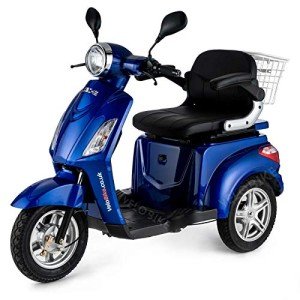


Mobility is more than just the ability to move from point A to point B; it represents independence, social connection, and the freedom to explore the world without physical constraints. In the rapidly evolving market of mobility aids, Veleco has established itself as a premier manufacturer of high-end scooters that prioritize both form and function. Among their most celebrated models is the VELECO Draco Lithium-Ion, a 3-wheel mobility scooter designed to blend advanced technology with user-friendly operation.
This guide provides an in-depth exploration of the Draco’s features, the advantages of its lithium-ion power source, and why it stands out as a top-tier choice for those seeking a reliable Class 3 mobility vehicle.
The Evolution of Power: The Lithium-Ion Advantage
The defining characteristic of this specific Draco model is its Lithium-Ion (Li-Ion) battery. Traditionally, mobility scooters have relied on Lead-Acid batteries, which are heavy and require longer charging cycles. The transition to Lithium-Ion technology represents a significant leap forward for users.
Why Lithium-Ion Matters:
- Weight Reduction: Li-Ion batteries are significantly lighter than their lead-acid counterparts, which improves the overall handling and energy efficiency of the scooter.
- Longevity: These batteries typically endure more charge cycles before their capacity begins to diminish, offering a better long-term investment.
- Portability: In the Draco model, the lithium battery is often removable, allowing users to bring the battery inside for charging while leaving the scooter in a garage or storage area.
- Faster Charging: Users can return to the road more quickly thanks to the superior chemical efficiency of lithium cells.
Technical Specifications at a Glance
For those who prioritize data and performance metrics, the following table outlines the key technical specifications of the VELECO Draco.
Table 1: Technical Specifications
| Feature | Specification |
|---|---|
| Motor Power | 800W |
| Battery Type | Lithium-Ion (60V 20Ah) |
| Maximum Range | Approx. 30–35 miles (45–50 km) |
| Max Speed | 8 mph (12 km/h) — UK Class 3 |
| Max Load Capacity | 25 Stones (approx. 160 kg) |
| Wheels | 3-Wheeled stability |
| Braking System | Automatic Electromagnetic Brake |
| Suspension | Full Front and Rear |
| Climbing Ability | 17% Incline |
| Charging Time | 6–8 Hours |
Key Features of the VELECO Draco
The Draco is frequently cited for its unique controls and safety features, which distinguish it from standard mobility scooters.
1. Unique Acceleration System
One of the most notable features of the Draco is its acceleration method. Unlike many scooters that use a "wig-wag" thumb lever or a twist-grip throttle, the Draco features a simple button acceleration system. This is particularly beneficial for individuals with arthritis or limited grip strength, as it requires minimal physical effort to maintain speed.
2. The 3-Wheel Maneuverability
While 4-wheel scooters offer maximum lateral stability, the 3-wheel design of the Draco provides a superior turning radius. This makes the scooter exceptionally easy to navigate in tighter spaces, such as busy sidewalks, shopping centers, or narrow garden paths.
3. Safety and Visibility
Safety is paramount with Class 3 vehicles that are legal for road use. The Draco is equipped with:
- Full LED Lighting: High-visibility headlights, tail lights, and indicators ensure the rider is seen in low-light conditions.
- Electromagnetic Brakes: The scooter stops automatically when the acceleration button is released, providing peace of mind on inclines.
- Rearview Mirrors: Standard equipment for monitoring traffic and surroundings.
Comfort and Convenience
Long journeys require a vehicle that supports the body. Veleco has designed the Draco with several "creature comforts" that make it suitable for extended use.
Lists of Standard Comfort Features:
- Adjustable Seating: The seat can be moved forward or backward to accommodate different leg lengths.
- Padded Armrests: Flip-up armrests make it easier for the user to mount and dismount the vehicle.
- Comprehensive Suspension: Front and rear suspension work together to absorb shocks from uneven pavements and cobblestones.
- Cup Holder and Bag Hook: Small details that enhance the daily usability of the scooter for errands.
Comparing Battery Technologies
To understand the value proposition of the Draco Lithium-Ion, it is helpful to compare it to the standard Lead-Acid version of the same scooter.
Table 2: Lithium-Ion vs. Lead-Acid Comparison
| Comparison Point | Lithium-Ion Version | Lead-Acid Version |
|---|---|---|
| Battery Weight | Lightweight (approx. 10-12kg) | Heavy (approx. 30-40kg) |
| Ease of Charging | Battery can be removed and charged indoors | Usually requires charging via the scooter port |
| Life Expectancy | High (Up to 1000+ cycles) | Moderate (300-500 cycles) |
| Overall Efficiency | Superior energy density | Standard energy density |
| Initial Cost | Higher | Lower |
Who is the VELECO Draco for?
The Draco is a versatile machine, but it is particularly well-suited for specific types of users:
- The Urban Explorer: Its 3-wheel design allows for nimble navigation through city streets.
- The Hill Climber: With an 800W motor, it handles inclines better than many entry-level scooters.
- Users with Limited Hand Dexterity: The button-operated throttle is a game-changer for those who find traditional grips painful or difficult to use.
- Long-Distance Riders: Those who need to travel up to 30 miles on a single charge for visits to friends or distant shops.
Maintaining the VELECO Draco
To ensure the longevity of the scooter, especially the premium lithium battery, a regular maintenance routine is recommended.
Recommended Maintenance Steps:
- Battery Care: Never let the lithium battery stay completely discharged for long periods. Charge it at least once a month if the scooter is not in use.
- Tire Pressure: Regularly check for wear and tear and ensure tires are inflated to the manufacturer’s specifications for optimal range.
- Cleaning: Use a damp cloth to wipe down the bodywork. Avoid high-pressure water hoses which can damage the sensitive electronics.
- Brake Testing: Periodically check the responsiveness of the electromagnetic brake in a safe, flat area.
Pros and Cons
Every mobility vehicle has its trade-offs. Here is a balanced view of the Draco model.
Pros
- Excellent range and motor power (800W).
- Lithium-Ion battery offers convenience and long-term durability.
- Stylish, automotive-grade design and paintwork.
- The button acceleration is highly accessible for various physical needs.
- Comes fully assembled and tested by many distributors.
Cons
- The 3-wheel configuration is slightly less stable on very sharp turns at high speed compared to 4-wheel versions.
- Higher price point due to premium lithium technology.
- Larger footprint than "boot scooters," requiring dedicated storage space.
Frequently Asked Questions (FAQ)
Q: Is the VELECO Draco road legal?A: Yes, in many jurisdictions including the UK, the Draco is a Class 3 mobility scooter. This means it can be driven on the road (at up to 8 mph) and on pavements (restricted to 4 mph).
Q: Can I drive the Draco in the rain?A: While the Draco is designed to withstand light moisture, it is an electronic vehicle. It is advisable to avoid heavy downpours and deep puddles. Many users opt for a specialized rain canopy for added protection.
Q: How do I charge the battery?A: With the Lithium-Ion version, the user can either plug the charger directly into the port on the scooter or remove the battery box and charge it inside their home.
Q: Does it require a driver's license?A: In most countries, you do not need a license to drive a mobility scooter, though you may need to register Class 3 scooters with local transport authorities (such as the DVLA in the UK).
Q: What is the maximum weight the Draco can carry?A: The Draco is built with a robust frame capable of supporting a weight of up to 25 stones (160 kg).
The VELECO Draco Lithium-Ion 3-Wheel Mobility Scooter is a sophisticated blend of power, ease of use, and modern technology. By opting for the Lithium-Ion variant, users benefit from a more flexible charging routine and a lighter, more efficient ride. While it represents a higher initial investment, the long-term benefits of the 800W motor, the unique button-controlled acceleration, and the durable battery chemistry make it a standout choice for anyone looking to regain their independence with style and reliability.