

For individuals who rely on mobility scooters, these devices represent far more than just a piece of machinery; they are a gateway to independence, social engagement, and daily functionality. Given that a high-quality mobility scooter can cost thousands of dollars, protecting that investment from the elements is a priority for any owner. While indoor storage is ideal, it is not always possible. Even when stored indoors, dust and humidity can take a toll.
A waterproof, heavy-duty mobility scooter cover is an essential accessory designed to shield these complex electronic devices from environmental damage. This guide explores the features, benefits, and selection criteria for choosing the best protective covering to ensure the longevity and reliability of a mobility scooter.
Why Environmental Protection is Critical
Mobility scooters are sophisticated pieces of equipment containing sensitive electronics, batteries, and mechanical components. Unlike automobiles, many of the scooter's critical parts—such as the tiller, control panel, and seat upholstery—are relatively exposed.
1. Water and Humidity
Moisture is the primary enemy of any electronic device. Rain, snow, or even heavy dew can seep into the control console (the tiller), leading to short circuits or long-term corrosion of the wiring. Furthermore, persistent moisture can lead to the growth of mold and mildew on the seat and floor mats.
2. UV Radiation
Prolonged exposure to direct sunlight can be just as damaging as rain. Ultraviolet (UV) rays cause plastic components to become brittle and prone to cracking. Additionally, UV exposure causes the upholstery to fade and eventually tear, reducing the aesthetic value and comfort of the scooter.
3. Dust, Debris, and Pollutants
Even if a scooter is stored in a garage or shed, dust can accumulate in the moving parts of the motor or the charging port. Outdoor storage exposes the vehicle to bird droppings, tree sap, and wind-blown debris, all of which can be abrasive or corrosive over time.
Key Features of a Heavy-Duty Waterproof Cover
When shopping for a cover, it is important to distinguish between a "dust cover" and a "waterproof heavy-duty cover." The following table outlines the technical specifications typically found in high-quality options.
Table 1: Technical Specifications of Premium Scooter Covers
| Feature | Specification | Purpose |
|---|---|---|
| Material/Fabric | 420D or 600D Oxford Cloth | High-density weave for tear resistance and durability. |
| Waterproof Coating | Polyurethane (PU) or PVC Lining | Ensures water beads off the surface instead of soaking through. |
| Seam Construction | Taped or Double-Stitched Seams | Prevents water from leaking through the needle holes. |
| UV Protection | UV-Stabilized Coating | Reflects sunlight and prevents fabric degradation. |
| Attachment Method | Elastic Hem + Adjustable Straps/Buckles | Keeps the cover secure during high winds. |
| Ventilation | Built-in Air Vents | Prevents condensation and mold buildup underneath the cover. |
The Benefits of Using a Heavy-Duty Cover
Investing in a specialized cover offers several long-term advantages for the scooter owner:
- Extended Battery Life: Extreme temperatures can affect battery chemistry. While a cover isn't insulated like a thermos, a heavy-duty cover provides a buffer against direct frost or the baking heat of the sun, helping to maintain a more stable environment for the battery.
- Mechanical Integrity: By keeping dirt and grit out of the steering mechanism and wheel bearings, the cover reduces the frequency of mechanical failures and the need for professional servicing.
- Resale Value: A scooter that has been kept covered will look significantly newer than one left exposed. Faded plastics and cracked seats drastically lower the market value of used mobility aids.
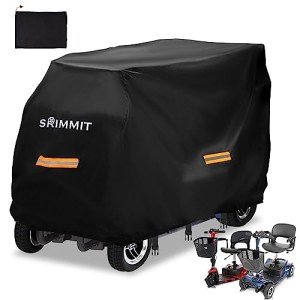
- Safety and Visibility: Many heavy-duty covers feature reflective strips. This is a vital safety feature if the scooter is parked in a driveway or a communal area at night, ensuring that pedestrians and drivers can see the obstacle.
Choosing the Right Size
One size does not fit all when it comes to mobility covers. An improperly fitted cover can be just as problematic as no cover at all. If the cover is too small, it may leave the lower mechanical parts or the motor housing exposed. If it is too large, it can catch the wind like a sail, potentially tipping the scooter over or blowing away.
How to Measure Your Scooter:
To ensure a perfect fit, owners should take the following measurements before purchasing:
- Length: From the front bumper to the rear-most point (often the anti-tip wheels or a rear basket).
- Width: Across the widest part, usually the armrests or the handlebars.
- Height: From the ground to the highest point, typically the top of the seat or the headrest.
Note: If the scooter has a rear-mounted basket or an oxygen tank holder, these must be included in the measurements.
Maintenance of the Cover Itself
To ensure the cover continues to provide maximum protection, it requires occasional maintenance.
- Cleaning: Most heavy-duty covers should be cleaned using a damp cloth and mild soap. Harsh detergents or machine washing can strip away the waterproof PU coating.
- Drying: Always allow the cover to air dry completely before folding it for storage. Storing a damp cover can lead to mold growth on the cover’s interior lining.
- Inspection: Periodically check the seams for signs of wear. If the waterproof coating begins to flake, it may be time to apply a textile waterproofing spray or replace the cover.
Frequently Asked Questions (FAQ)
1. Is a "water-resistant" cover the same as a "waterproof" cover?
No. Water-resistant fabrics can withstand a light drizzle for a short time, but water will eventually soak through during heavy rain. A truly waterproof cover features a specialized internal coating (like PU) and sealed seams to ensure the scooter remains dry even in a downpour.
2. Can I use the cover while transporting the scooter on a vehicle trailer?
It depends on the cover. Most standard covers are designed for stationary storage. The high wind speeds on a highway can cause standard covers to flap violently, leading to tears or damage to the scooter’s finish. For transport, look for covers specifically labeled as "towable" or "travel-rated."
3. Should I cover my scooter if it is parked inside a garage?
Yes. A lightweight cover or a heavy-duty one can protect the electronics from dust and accidental spills. It also prevents household pests from nesting in the seat or under the chassis.
4. What does the "D" in 600D mean?
The "D" stands for Denier, which is a unit of measurement for the thickness and density of the fabric fibers. A higher number (like 600D) indicates a thicker, stronger, and more durable fabric than a lower number (like 210D).
5. Will a cover prevent the battery from freezing?
A cover provides a thin layer of protection against direct frost and wind chill, but it does not provide thermal insulation. In extremely cold climates, it is recommended to remove the battery and store it indoors, even if the scooter remains covered outside.
Summary of Cover Types
| Cover Type | Best For | Typical Material |
|---|---|---|
| Lightweight Dust Cover | Indoor storage in garages or sheds. | 190T Polyester |
| Standard Waterproof | Occasional outdoor use or rainy climates. | 210D - 300D Oxford |
| Heavy-Duty/All-Weather | Constant outdoor storage; snow, sun, and rain. | 420D - 600D Oxford + PU Coating |
A mobility scooter is an investment in freedom. Protecting that freedom requires proactive care. While it may be tempting to use a simple tarp or a cheap plastic sheet, these often lack the breathability and UV resistance necessary to protect sensitive electronics properly.
By choosing a high-quality, heavy-duty waterproof cover made from high-denier Oxford cloth with reinforced seams, owners can significantly extend the life of their scooter. Not only does this save money on repairs and replacements, but it also provides the peace of mind that the scooter will be ready to perform whenever it is needed, regardless of the weather outside.