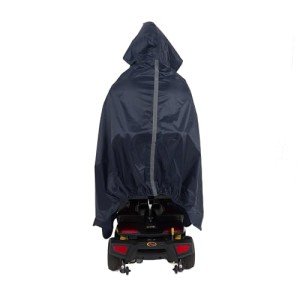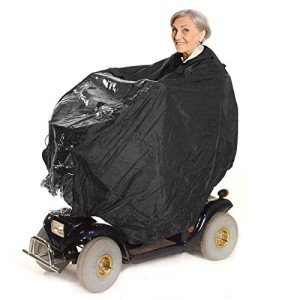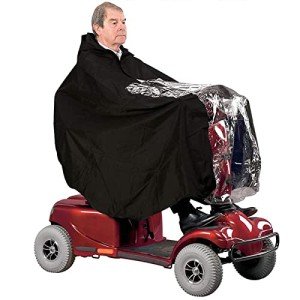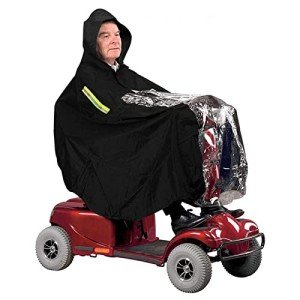





For individuals who rely on wheelchairs or mobility scooters, the weather can often dictate the boundaries of their daily life. While a light drizzle might be a minor inconvenience for some, for those using mobility aids, it presents a significant challenge. Traditional jackets and umbrellas are often inadequate, leaving the user with damp legs, a wet seat, or cold extremities.
The waterproof hooded poncho specifically designed for wheelchair and scooter users has emerged as an essential accessory. This guide explores the features, benefits, and technical specifications of these specialized garments, providing an informative overview for users, caregivers, and healthcare providers.
Why Specialized Rainwear is Necessary
When a person sits in a wheelchair or operates a scooter, their posture and range of motion are fundamentally different from those of a pedestrian. Standard raincoats are designed for walking; they are often too short to cover the knees when seated, yet too long in the back, leading to bunching or interference with the wheels. Furthermore, umbrellas are difficult to hold while navigating a joystick or steering a tiller.
Specialized mobility ponchos address these issues through ergonomic shaping. They are cut longer in the front to ensure complete coverage of the lap and legs, and shorter or specially shaped in the back to prevent the fabric from getting caught in the mechanical components of the chair.
Table 1: Standard Raincoats vs. Specialized Mobility Ponchos
| Feature | Standard Raincoat/Poncho | Mobility-Specific Poncho |
|---|---|---|
| Front Coverage | Ends at the waist or upper thigh. | Extended to cover knees and feet. |
| Back Design | Even length; prone to bunching. | Tapered or shorter to avoid wheels/axles. |
| Fastenings | Small buttons or zippers. | Easy-pull zippers or Velcro for limited dexterity. |
| Safety | Minimal reflective detailing. | High-visibility strips for road safety. |
| Ease of Entry | Requires standing/shrugging. | Designed to be pulled over the head easily. |
Key Features of Quality Waterproof Ponchos
Not all waterproof garments are created equal. When evaluating a hooded poncho for a wheelchair or scooter, several technical and design elements should be considered to ensure maximum protection and durability.
1. High-Performance Waterproof Fabrics
The primary function is moisture protection. Most high-quality ponchos utilize heavy-duty PVC or coated nylon. These materials are rated by their "water column" or hydrostatic head, which determines how much water pressure the fabric can withstand before leaking.
2. The Integrated Hood
A well-designed hood is crucial. It must be large enough to accommodate a hat but adjustable enough to not obscure peripheral vision. Many models feature a drawstring or a "peek" brim that prevents water from dripping directly onto the face or glasses.
3. Ease of Application
For many users, dexterity can be a challenge. Premium mobility ponchos often feature a front-zip opening or wide neck apertures secured by Velcro. This allows the user—or a caregiver—to put the garment on quickly without the need for complex motor movements.
4. Safety and Visibility
Because wheelchairs and scooters are lower to the ground, visibility is a paramount safety concern, especially during dark, rainy conditions.
- Reflective Strips: These should be located on the back, sides, and front.
- Bright Colors: While navy and black are popular, high-visibility yellow or blue increases safety in traffic.
Design Variations: Wheelchair vs. Scooter Ponchos
While the terms are often used interchangeably, there are subtle differences in design depending on the type of mobility aid being used.
Wheelchair Ponchos
These are typically designed with a "sleeved" or "cape" style. Some versions feature specific slots in the rear to allow the pushing handles of the wheelchair to remain accessible. This allows a caregiver to push the chair without the poncho getting in the way or the caregiver getting their hands wet under the fabric.
Scooter Ponchos
Scooter users often require a poncho that can drape over the "tiller" (the steering column and controls). These ponchos are usually broader at the base to ensure the dashboard and electronics of the scooter remain dry, preventing electrical malfunctions caused by rain.
Must-Have Features Checklist
- Heat-sealed seams: To prevent water from seeping through needle holes.
- Elasticated hemlines: To keep the poncho from flapping in high winds.
- Inner pocket: To keep phones or medical devices dry.
- Wait-tie or toggles: To secure the garment against the body.
The Benefits of Using a Mobility Poncho
Beyond the obvious benefit of staying dry, these garments provide a psychological and social boost.
Independence and Freedom
Knowing that one is protected against the elements encourages a sense of independence. Users are less likely to cancel appointments or social engagements due to a forecast of rain. This continued engagement with the community is vital for mental well-being.
Health and Thermal Protection
Being wet and cold can lead to a variety of health issues, including hypothermia, skin breakdown, and respiratory illnesses. A waterproof layer acts as a windbreak, helping to maintain the user's core body temperature.
Protection of Equipment
Mobility aids are significant investments. Constant exposure to moisture can lead to the rusting of metal frames, degradation of upholstery, and failure of electronic joysticks or batteries. A poncho serves as a protective shield for both the person and the machine.
Maintenance and Care
To ensure the longevity of a waterproof poncho, proper maintenance is required. Over time, the Durable Water Repellent (DWR) coating can wear off.
- Cleaning: Most ponchos should be hand-washed with mild soap. Harsh detergents can strip the waterproof coating.
- Drying: Air drying is essential. The high heat of a tumble dryer can melt PVC or damage the waterproof membrane.
- Storage: The garment should be completely dry before being folded and stored in its carry bag to prevent the growth of mold or mildew.
Table 2: Material Comparison for Mobility Ponchos
| Material | Pros | Cons |
|---|---|---|
| PVC (Vinyl) | 100% waterproof, very affordable, easy to wipe clean. | Can be heavy, not breathable, can crack in extreme cold. |
| Coated Nylon | Lightweight, durable, folds into a small size. | Can be noisier (crinkling sound), mid-range price. |
| Polyester with PU Coating | Soft feel, more breathable, aesthetically pleasing. | More expensive, requires careful washing to maintain coating. |
Frequently Asked Questions (FAQ)
Q: Are these ponchos one-size-fits-all?A: Many manufacturers offer a "Universal Size," which is designed to be oversized to accommodate different chair widths. However, for very small children or larger bariatric chairs, it is recommended to check the specific measurements (length and width) provided by the manufacturer.
Q: Can I use a standard poncho instead?A: While a standard poncho is better than nothing, it often lacks the necessary length to cover the feet and may be dangerously long in the back, risking entanglement in the rear wheels or drive motor.
Q: How do I handle the poncho if I have a backpack on my wheelchair?A: Many specialized wheelchair ponchos include an "expanded back" or a specific pleat designed to fit over a backpack, ensuring that both the user and their belongings stay dry.
Q: Will the poncho make me too hot?A: In warmer climates, PVC ponchos can trap heat. If this is a concern, look for models made from breathable polyester or those with side vents that allow for airflow while still keeping water out.
Q: Is it easy to put on by myself?A: Most designs prioritize ease of use. Models with a large head opening and Velcro closures are generally the easiest to put on without assistance.
A waterproof hooded poncho is more than just a piece of clothing; it is a tool for empowerment. By providing comprehensive protection against the wind and rain, it ensures that wheelchair and scooter users can maintain their mobility and independence regardless of the season. When selecting a poncho, prioritizing quality materials, safety features like reflective strips, and an ergonomic fit will ensure that the user remains dry, safe, and comfortable in any weather.