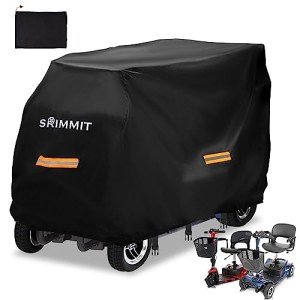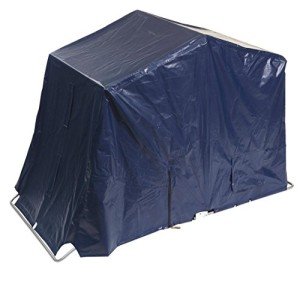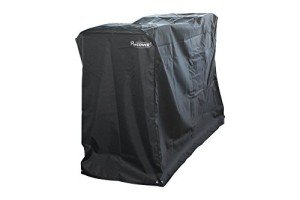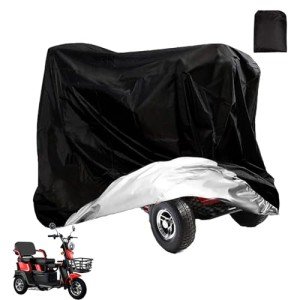

For many individuals, a mobility scooter represents more than just a vehicle; it is a vital tool for independence, allowing for freedom of movement and access to the community. Given that these devices are significant financial investments and essential daily aids, protecting them from the elements is a priority. A high-quality, waterproof mobility scooter cover offers all-weather protection, ensuring the longevity and reliability of the machine.
This guide explores the necessity of protective covers, the technical specifications to look for, and how to maintain them to ensure a scooter remains in peak condition regardless of the weather.
Why All-Weather Protection is Essential
Mobility scooters are sophisticated pieces of machinery equipped with sensitive electronics, transaxles, and battery systems. Exposure to harsh environmental conditions can lead to accelerated wear and tear or catastrophic failure.
1. Moisture and Electrical Integrity
The primary threat to a mobility scooter is water. Rain, snow, and even heavy dew can seep into the control panel (tiller), battery terminals, and motor housing. Moisture leads to corrosion and short circuits, which can be expensive to repair and may leave the user stranded. A waterproof cover serves as a primary barrier against these risks.
2. UV Degradation
While rain is an obvious threat, the sun can be equally damaging. Prolonged exposure to Ultraviolet (UV) rays causes plastic components to become brittle and eventually crack. Furthermore, UV rays can fade the paint and cause the upholstery on the seat to peel or harden. All-weather covers are typically treated with UV-resistant coatings to deflect these harmful rays.
3. Dust, Debris, and Contaminants
Even when stored indoors or under a carport, scooters are susceptible to dust, bird droppings, and pollen. Dust can settle into the mechanical joints and the charging port, leading to friction and connectivity issues. A cover keeps the scooter "showroom clean" and ready for use at a moment's notice.
Technical Features of High-Quality Covers
When selecting a mobility scooter cover, it is important to look beyond basic aesthetics. The materials and construction methods determine how well the cover will perform under pressure.
Key Materials Comparison
Most professional-grade covers are made from heavy-duty polyester, often referred to by its "Denier" (D) rating, which measures the thickness of the fibers.
| Material Type | Durability Level | Best Use Case | Features |
|---|---|---|---|
| 210D Oxford Cloth | Lightweight | Indoor or Light Outdoor | Easy to fold, portable, dust protection. |
| 300D Polyester | Medium | General Outdoor | Good balance of weight and water resistance. |
| 600D Heavy-Duty | High | Extreme Weather | Tear-resistant, thickness prevents wind-flapping. |
| PVC-Backed Fabric | Very High | Constant Rain/Snow | Maximum waterproofing, heavier weight. |
Essential Design Features
A simple tarp is not an adequate substitute for a tailored scooter cover. Strategic design features enhance usability and protection:
- Taped Seams: High-quality covers feature heat-sealed or taped seams. This prevents water from leaking through the needle holes made during the sewing process.
- Air Vents: Total waterproofing can lead to a "sauna effect" where moisture from the ground evaporates and gets trapped under the cover. Dual air vents allow for circulation, preventing mold and condensation.
- Elasticized Hems: An elastic cord running through the bottom hem ensures a snug fit around the wheels, preventing the wind from catching the material.
- Securing Straps: Many covers include "under-chassis" straps with buckles to keep the cover pinned down during high winds.
Finding the Right Fit
Mobility scooters come in various shapes and sizes, from compact travel models to large, heavy-duty road-capable scooters. Using a cover that is too small will leave components exposed, while one that is too large can pool water or blow away.
Standard Size Guidelines
| Scooter Type | Average Length | Average Width | Recommended Cover Size |
|---|---|---|---|
| 3-Wheel / Compact | 95 - 110 cm | 45 - 55 cm | Small |
| 4-Wheel Mid-Size | 120 - 135 cm | 55 - 65 cm | Medium/Large |
| Heavy-Duty / All-Terrain | 140 - 160 cm | 65 - 80 cm | Extra Large (XL) |
Note: Always measure the scooter with any accessories (such as rear baskets or oxygen tank holders) attached to ensure the cover will fit over the entire unit.
Benefits of Using a Mobility Scooter Cover
The advantages of consistent cover usage extend beyond mere cleanliness. For the proactive owner, a cover offers several long-term benefits:
- Maintenance Cost Reduction: By preventing rust and electrical failures, owners save significantly on replacement parts and labor.
- Resale Value Preservation: A scooter that has been shielded from the sun and rain will maintain a its aesthetic appeal and mechanical integrity, fetching a higher price if the owner chooses to upgrade.
- Safety and Reliability: Knowing the scooter will start regardless of a heavy overnight downpour provides the user with peace of mind.
- Theft Deterrent: A covered scooter is less of a target for opportunistic theft or tampering, as the specific model and its condition are hidden from view.
Maintenance and Care for the Cover
To ensure the cover continues to provide all-weather protection, it requires occasional maintenance itself.
- Cleaning: Use a soft brush and lukewarm water. Avoid harsh detergents or machine washing, as these can strip the waterproof PU (polyurethane) coating from the fabric.
- Drying: Never fold and store a wet cover. This can lead to the growth of mildew which may eventually transfer to the scooter’s seat.
- Storage: Most high-quality covers come with a storage bag. When the scooter is in use, the cover should be folded neatly and placed in the bag to prevent it from becoming a tripping hazard.
Frequently Asked Questions (FAQ)
1. Can I use the cover while driving the scooter?
No. Standard storage covers are designed for stationary protection. They cover the entire unit, including the lights, tiller, and wheels, making it impossible to operate the scooter safely. For protection while driving, one should look for a "tiller cover" (which protects only the controls) or a "scooter cape" designed for the rider.
2. Is "Water-Resistant" the same as "Waterproof"?
There is a significant difference. Water-resistant fabrics can repel light mist for a short period. Waterproof fabrics, especially those with PU coatings and taped seams, are designed to withstand heavy rain and standing water without leaking.
3. How do I prevent the cover from blowing away in the wind?
One should ensure the cover has an elasticated hem and integrated buckle straps. These straps run underneath the scooter to anchor the cover. If a cover lacks these, heavy-duty bungees can be used as a secondary measure.
4. Will a cover prevent the battery from getting cold?
A cover provides a layer of insulation and keeps the battery dry, which is helpful. However, it will not prevent the battery from reaching ambient outdoor temperatures. In extreme freezing conditions, it is still recommended to store the battery (or the entire scooter) indoors if possible.
5. Can I use a grill cover or a motorcycle cover instead?
While they may seem similar, mobility scooters have a unique "boxy" shape due to the seat and tiller. Motorcycle covers are usually tapered in ways that leave the lower parts of a scooter exposed. A dedicated mobility scooter cover is designed to accommodate the height of the seat and the width of the base accurately.
A waterproof mobility scooter cover is an indispensable accessory for any scooter owner. By providing a robust shield against rain, snow, UV rays, and debris, it ensures that the vehicle remains a reliable partner in the user's daily life. When selecting a cover, prioritizing heavy-duty materials like 600D polyester, checking for taped seams, and ensuring a proper fit will provide the best possible protection. Investing in a quality cover today can prevent expensive repairs and structural degradation tomorrow, keeping independence within reach for years to come.