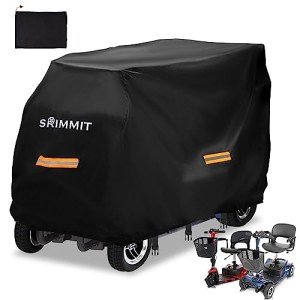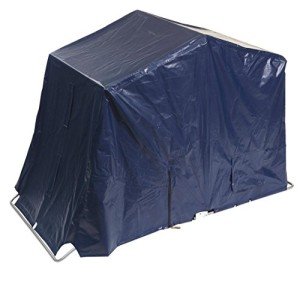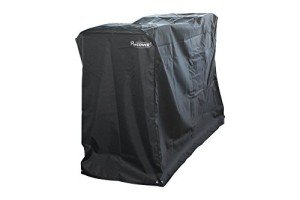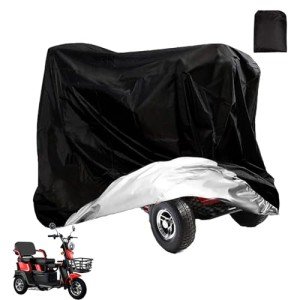


For many individuals, a mobility scooter is more than just a vehicle; it is a gateway to independence, social engagement, and daily convenience. Given the significant financial investment these devices represent, protecting them from the elements is a priority for any owner. While scooters are designed for outdoor use, they are not impervious to the long-term effects of environmental exposure.
A heavy-duty waterproof mobility scooter cover serves as the first line of defense against rain, snow, sun, and debris. This guide examines why high-quality protection is essential, the technical specifications to look for, and how to maintain a cover to ensure the longevity of the scooter.
Why Protection is Essential for Mobility Scooters
Mobility scooters are complex machines housing sensitive electronics, rechargeable batteries, and intricate transaxle systems. Leaving a scooter exposed to the elements can lead to a variety of mechanical and aesthetic issues.
1. Electrical System Vulnerability
The control panel, often referred to as the "tiller," contains the motherboard and throttle mechanisms. Even a small amount of moisture seepage can cause short circuits, erratic behavior, or total system failure. Heavy-duty waterproof covers utilize specialized coatings to ensure water beads off the surface rather than soaking through the fabric.
2. UV Degradation
Prolonged exposure to direct sunlight is one of the most underated threats to a mobility scooter. Ultraviolet (UV) rays can cause the plastic fairings to become brittle and crack. Furthermore, the upholstery on the seat can fade and split, leading to discomfort and reduced resale value.
3. Corrosion and Rust
Metal frames and exposed bolts are susceptible to oxidation when moisture is trapped against the surface. A heavy-duty cover prevents standing water from settling in crevices, thereby reducing the risk of structural rust.
Technical Specifications: What Makes a Cover "Heavy Duty"?
Not all covers are created equal. While lightweight plastic "dust covers" are suitable for indoor storage, they fail quickly in outdoor environments. To qualify as heavy-duty protection, certain material standards must be met.
Material Grading (Denier)
The thickness of the fabric is measured in Denier (D). A higher Denier count indicates a stronger, more tear-resistant fabric. Most heavy-duty covers are manufactured from Oxford polyester.
Table 1: Material Comparison for Scooter Covers
| Feature | Standard Light Cover | Heavy Duty (Standard) | Premium Heavy Duty |
|---|---|---|---|
| Material | Thin Nylon/PEVA | 300D Oxford Cloth | 600D - 900D Oxford |
| Waterproofing | Water-resistant | PVC/PU Coating | Double Polyurethane Coating |
| UV Protection | Minimal | Medium | High (UV-Stabilized) |
| Durability | Seasonal (3-6 months) | 1-2 Years | 3+ Years |
| Weight | Very Light | Moderate | Heavy/Weighted |
Seam Construction
The weakest point of any waterproof garment or cover is the stitching. Heavy-duty covers feature "taped seams," where a waterproof strip is heat-sealed over the interior stitches to prevent "needle-hole" leaks.
Key Features to Search for in a Quality Cover
When selecting a cover, it is important to look beyond just the "waterproof" label. Functional features ensure the cover stays on the scooter and performs its job effectively during high winds or heavy storms.
1. Elasticated Hems and Drawstrings
A snug fit is crucial. Elastication around the bottom edge allows the cover to grip the wheels and chassis. Drawstrings or "toggle" ties provide an extra layer of security, ensuring the cover does not turn into a sail during a windstorm.
2. Ventilation Vents
Strictly sealing a scooter can actually be counterproductive. As temperatures shift, condensation can form on the inside of the cover. Quality heavy-duty covers include covered air vents that allow moisture to escape while preventing rain from entering. This prevents the growth of mold and mildew on the scooter’s seat.
3. Integrated Buckles and Straps
For those living in particularly windy climates, belly straps that click underneath the scooter provide the ultimate security. These prevent the cover from being blown off entirely.
Sizing and Fitment
Mobility scooters come in various shapes, from compact travel models to large, all-terrain heavy-duty scooters. Using a cover that is too large will lead to "pooling" of water in the excess fabric, while a cover that is too small leaves the lower components exposed.
Table 2: Common Sizing Guide
| Scooter Type | Typical Length | Recommended Cover Size |
|---|---|---|
| Travel/Portable | 35" - 42" | Small |
| Mid-Size/3-Wheel | 43" - 50" | Medium |
| Full-Size/4-Wheel | 51" - 58" | Large |
| Heavy-Duty/All-Terrain | 59" + | Extra Large (XL) |
Note: Always measure the scooter with the headrest and any rear baskets attached to ensure a proper fit.
Maintaining the Cover for Longevity
To ensure the heavy-duty cover lasts for several years, a basic maintenance routine should be followed. Over time, dirt and pollutants can degrade the waterproof coating.
Do’s and Don’ts for Cover Care
The Do List:
- Do clean the cover with a soft brush and lukewarm water.
- Do ensure the scooter is dry before applying the cover for long-term storage.
- Do check the tension of the drawstrings periodically.
- Do allow the cover to air-dry completely after a storm before folding it.
The Don’t List:
- Don’t put the cover in a washing machine; the agitation can strip the PU coating.
- Don’t use harsh detergents or bleach, which break down the fabric fibers.
- Don’t pull the cover over sharp edges or pointed accessories that could cause punctures.
Frequently Asked Questions (FAQ)
1. Can a mobility scooter cover be used while the scooter is on a vehicle rack?
Generally, no. Most outdoor storage covers are not designed to withstand the high-velocity "buffeting" of highway speeds. For vehicle transport, specialized "travel covers" with heavy-duty tie-downs and aerodynamic shaping are required.
2. Is it safe to charge the scooter while the cover is on?
This depends on the scooter's design. If the charging port is accessible without uncovering the entire unit, it is usually safe. However, batteries can generate heat during charging. It is recommended to ensure the vents on the cover are clear to allow for heat dissipation.
3. Will a "waterproof" cover keep the scooter 100% dry?
In a heavy downpour, a quality cover will keep the vast majority of the scooter dry. However, "waterproof" typically refers to the fabric's ability to resist water penetration under pressure. Minor condensation may still occur inside due to humidity, which is why ventilation is so important.
4. How long should a heavy-duty cover last?
A high-quality 600D Oxford cloth cover exposed to the elements year-round typically lasts between 2 and 4 years. Covers kept in shaded or partially sheltered areas (like under a porch) can last significantly longer.
Investing in a heavy-duty waterproof mobility scooter cover is an essential step in protecting one’s personal mobility. By choosing a cover with a high Denier rating, taped seams, and proper ventilation, users can avoid the high costs of electrical repairs and upholstery replacement.
Furthermore, the peace of mind that comes with knowing a scooter is protected from the unpredictability of the weather allows owners to focus on what truly matters: enjoying the freedom and movement that their device provides. Whether facing the scorching sun of summer or the icy rains of winter, a heavy-duty cover remains the most cost-effective insurance policy a mobility scooter owner can buy.