For individuals who rely on mobility scooters, independence is a vital part of daily life. However, maintaining that independence becomes a challenge when the weather turns sour. Rain, wind, and sleet can not only make travel uncomfortable but can also pose a risk to the sophisticated electronic components of a mobility device. This is where the waterproof mobility scooter poncho cape becomes an essential accessory.
Unlike standard raincoats, mobility scooter ponchos are specifically engineered to provide comprehensive coverage for both the rider and the vehicle. This guide explores the features, benefits, and considerations of choosing the right poncho to ensure year-round mobility.
What is a Mobility Scooter Poncho Cape?
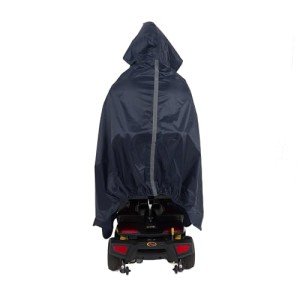
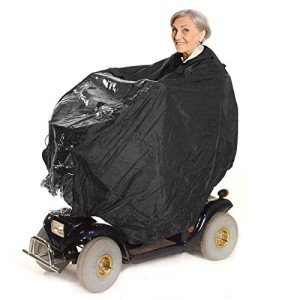
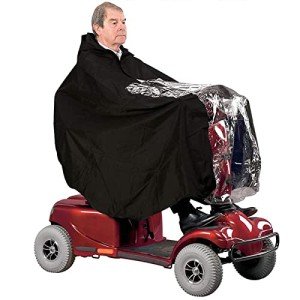
A mobility scooter poncho cape is a specialized garment designed to drape over both the user and the scooter. Most designs feature a large, cloak-like structure that fastens around the neck and extends downward to cover the user’s lap, legs, and the scooter's tiller (handlebars).
The primary objective of these capes is twofold: to keep the individual dry and to protect the scooter’s dashboard and controls from water ingress. Because mobility scooters are powered by batteries and controlled by delicate electronics, excessive moisture can lead to malfunctions or expensive repairs.
Key Features to Look For
When selecting a waterproof poncho, several technical features determine its effectiveness and durability. It is not merely about being "waterproof"; it is about how the garment functions in a seated, mobile position.
1. Material and Fabric Quality
Most high-quality ponchos are made from heavy-duty PVC or Oxford polyester with a polyurethane (PU) coating. These materials offer high hydrostatic head ratings, meaning they can withstand significant water pressure before leaking.
2. Clear Front Panels
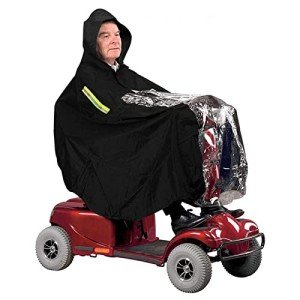
A crucial safety feature is a transparent panel located at the front of the cape. This allows the scooter’s headlights and indicators to remain visible to pedestrians and motorists while the tiller remains protected from the rain.
3. Elasticated Hems and Anchors
To prevent the fabric from flapping in the wind or catching in the wheels, many capes feature elasticated hems that hook under the chassis or footrest of the scooter.
4. Reflective Safety Strips
Visibility is often reduced during rainstorms. Reflective piping or strips on the back and sides of the poncho ensure the user is visible to traffic from all angles.
5. Hood Design
A well-designed hood should have a peak to keep rain out of the user’s eyes and adjustable drawstrings to prevent the wind from blowing it down.
Comparison: Lightweight vs. Heavyweight Ponchos
Depending on the climate and frequency of use, one may choose between a lightweight emergency poncho or a heavy-duty lined version.
| Feature | Lightweight Poncho | Heavyweight Lined Poncho |
|---|---|---|
| Material | Thin Nylon or PVC | Thick Oxford Polyester / Fleece Lining |
| Best Use | Summer showers / Emergency use | Winter / Heavy rain / Cold climates |
| Portability | High (foids into a small pouch) | Moderate (bulkier to store) |
| Warmth | Minimal | High (thermal properties) |
| Durability | Moderate | High |
The Benefits of Using a Specialized Cape
Many new scooter users attempt to use standard umbrellas or traditional raincoats. However, these often prove inadequate for several reasons.
Electronic Protection
Standard jackets leave the "tiller" or steering column exposed. If water enters the wig-wag (the throttle lever) or the ignition, the scooter may stall or short-circuit. A poncho cape provides a "canopy" effect that keeps these controls bone-dry.
Comprehensive Leg Coverage
When sitting down, standard coats often ride up, leaving the thighs and knees exposed to the rain. A mobility cape is cut longer at the front to drape comfortably over the lap and down to the feet, ensuring no water pools on the seat.
Ease of Use
For individuals with limited dexterity, struggling with zippers and buttons can be frustrating. Most mobility capes are designed as "throw-over" garments with simple neck closures (Velcro or large-tooth zippers), making them much easier to put on independently.
Choosing the Right Size for Your Scooter
Not all mobility scooters are the same size, and neither are the ponchos. Choosing the wrong size can lead to safety hazards, such as fabric dragging on the ground or getting caught in the transaxle.
| Scooter Type | Recommended Cape Size | Key Consideration |
|---|---|---|
| Travel/Portable Scooter | Small / Universal | Ensure the cape isn't so long it tangles in the smaller wheels. |
| Mid-Size/Pavement Scooter | Medium / Large | Focus on tiller coverage and clear window placement. |
| Large/Road-Legal (Class 3) | Extra Large | Needs a wider span to cover larger seats and headrests. |
Safety and Maintenance Tips
To get the most out of a waterproof mobility scooter poncho, proper care and safety protocols must be observed.
Safety First:
- Check Wheel Clearance: Always ensure that excess fabric is tucked away from the wheels and moving parts before moving.
- Maintain Peripheral Vision: Ensure the hood is adjusted so it does not block the view when turning the head.
- Avoid High Speeds: In very high winds, a poncho can act like a sail. It is advisable to drive at a lower speed setting during stormy conditions.
Maintenance and Cleaning:
- Air Dry: Never fold a wet poncho and put it away. This leads to mold and the degradation of the waterproof coating. Hang it over a chair or a drying rack until completely dry.
- Wipe Clean: Most ponchos should not be machine washed. Instead, use a damp cloth with mild soap to remove dirt or salt from the road.
- Check Seams: Periodically check the taped seams for signs of peeling, as this is where leaks usually begin.
Frequently Asked Questions (FAQ)
Can I use a poncho with a rear-mounted basket?
Most universal ponchos are designed to go over the back of the seat. If a scooter has a large rear basket, it may be necessary to choose an extra-large cape or one specifically designed with a "pouch" for accessories. However, in most cases, the cape will simply drape over the basket.
Is it difficult to steer while wearing a poncho?
No. Because the fabric is loose-fitting, there is usually plenty of room beneath the cape to move the arms and operate the tiller. The clear window allows the user to see the dashboard and their hand positions.
Will the poncho make me feel too hot?
Waterproof materials are, by nature, not very breathable. If heat is a concern, look for "deluxe" models that include small vents under the arms or at the back to allow for air circulation without letting water in.
Does a poncho protect the battery?
While the poncho protects the top of the scooter and the tiller, it does not completely seal the underside. Users should still avoid driving through deep puddles, as water can splash up into the motor and battery compartment from below.
A waterproof mobility scooter poncho cape is more than just a rain accessory; it is a tool for empowerment. It ensures that the transition from a dry home to a wet street does not result in soggy clothes or a broken scooter. By investing in a high-quality, well-fitted cape, users can maintain their daily routines, perform errands, and visit friends regardless of the weather forecast. When safety, visibility, and electronic protection are prioritized, the rain becomes a minor inconvenience rather than a barrier to movement.