



For individuals who rely on mobility scooters or wheelchairs, maintaining independence often means navigating the world regardless of the weather. While a sunny day presents few obstacles, the onset of rain can pose significant challenges. Standard umbrellas are often impractical, requiring at least one hand to operate, and traditional raincoats frequently fail to cover the lower extremities or the sensitive electronics of a mobility device.
The waterproof rain poncho specifically designed for mobility aids has emerged as an essential accessory. These garments are engineered to provide comprehensive coverage for both the user and their equipment, ensuring that a sudden downpour does not result in a ruined day or a damaged motor.
Why a Specialized Poncho is Necessary
Regular rain gear is designed for pedestrians. When a person is seated in a wheelchair or scooter, the dynamics of coverage change. Water tends to pool in the lap, and the back of the seat often remains exposed, leading to damp upholstery. Furthermore, mobility scooters have tillers (handlebars) equipped with electronic displays and throttles that are highly susceptible to water damage.
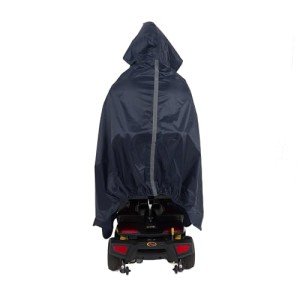
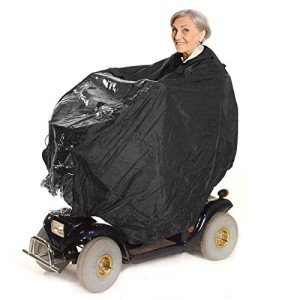
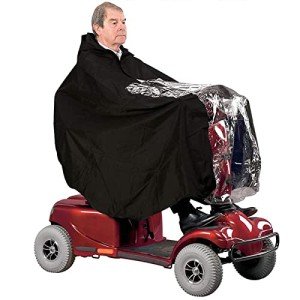
A specialized mobility poncho addresses these issues through unique tailoring and functional features. These ponchos are typically longer in the front to cover the legs and feet, and they often feature a "cut-out" or extended rear section to wrap over the back of the seat.
Key Benefits of Mobility Rain Ponchos
- Hands-Free Protection: Users can keep both hands on the tiller or rims without worrying about holding an umbrella.
- Full Equipment Shielding: Protects the seat, the user’s back, and the vehicle’s controls.
- Ease of Access: Designed with large zip pulls and wide openings for individuals with limited manual dexterity.
- Compact Storage: Most models fold down into a small pouch that can be stored in a scooter basket or a wheelchair side-bag.
Technical Features to Look For
When selecting a rain poncho, it is important to look beyond just the "waterproof" label. High-quality options incorporate several technical elements that enhance the user experience.
1. Transparent Control Panels
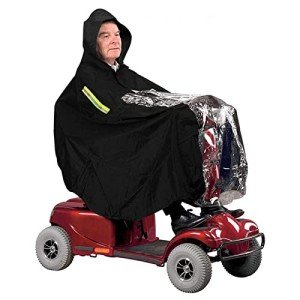
For mobility scooter users, visibility is crucial. Many premium ponchos feature a clear plastic window at the front. This allows the driver to see their battery gauge, speed settings, and lights while keeping the electronics completely dry.
2. Reflective Safety Strips
Rainy weather often results in poor visibility for motorists. To ensure safety, specialized ponchos typically include reflective piping or high-visibility strips on the front, back, and sides.
3. Elasticated Hems and Specialized Fastenings
To prevent the fabric from blowing in the wind or becoming entangled in the wheels, these ponchos often feature elasticated hems that "hook" under the footrest. Additionally, necklines are often fitted with adjustable drawstrings or hook-and-loop fasteners for a snug fit.
Comparison of Designs: Sleeved vs. Sleeveless
Users must choose between a traditional "cape" style (sleeveless) and a sleeved version. Each has specific advantages depending on the type of mobility aid being used.
Table 1: Sleeved vs. Sleeveless Ponchos
| Feature | Sleeveless (Cape Style) | Sleeved Poncho |
|---|---|---|
| Best For | Mobility Scooters & Power Chairs | Manual Wheelchairs |
| Ease of Use | Very easy to throw on quickly | Requires more effort to put arms through |
| Mobility | Arms stay under the cover | Full arm movement for self-propelling |
| Airflow | Generally higher; less prone to sweating | Lower; holds more heat |
| Protection | Maximum protection for the lap/controls | Keeps arms dry but may leak at cuffs |
Understanding Materials
The material of the poncho dictates its durability, breathability, and level of water resistance. The following table highlights common materials used in the manufacturing of mobility rain gear.
Table 2: Mobility Poncho Material Comparison
| Material | Durability | Breathability | Weight | Best Use Case |
|---|---|---|---|---|
| PVC (Vinyl) | Medium | Low | Heavy | Occasional use; heavy downpours. |
| Nylon (PU Coated) | High | Medium | Light | Daily use; easy to fold and store. |
| Polyester | High | High | Light | Long-term wear; best balance of comfort. |
| Gore-Tex / Technical Fabric | Very High | Very High | Ultra-Light | Professional/Active use; expensive but breathable. |
Choosing the Right Fit
Sizing is a critical factor. A poncho that is too short will leave the feet exposed, while one that is too long can become a safety hazard if it drags on the ground or gets caught in the transaxle.
Identifying the Correct Size
Most manufacturers categorize sizes based on the user's height and the size of the chair.
- Standard Size: Fits most manual wheelchairs and small transportable scooters.
- Extra Large/Universal: Designed for large road-legal (Class 3) scooters with high-back captain’s seats.
- Hemi-Sized: Specifically designed for users who may have a shorter stature or use smaller pediatric chairs.
Measurement Checklist
- Back Height: Ensure the poncho covers the headrest if applicable.
- Front Length: From the neck to the footplate, plus an additional 6–10 inches to allow for knee-bend.
- Width: Must be wide enough to cover the armrests comfortably.
Safety and Maintenance Tips
Even the best equipment requires proper care and mindful use to remain effective.
Safety Considerations
- Wheel Entanglement: Always ensure the excess fabric is tucked away from the moving parts of the wheelchair or scooter.
- Visibility: Never use a poncho that obscures the lights or indicators of a mobility scooter.
- Overheating: Because waterproof materials trap heat, users should be mindful of temperature regulation, especially in humid conditions.
Maintenance and Care
- Drying: Never fold a wet poncho for storage. Always hang it in a well-ventilated area until completely dry to prevent mold and mildew.
- Cleaning: Most ponchos can be wiped down with a damp cloth. If machine washing is required, use a gentle cycle with cold water and avoid fabric softeners, as they can strip the waterproof coating.
- Re-proofing: Over time, the "Durable Water Repellent" (DWR) coating may wear off. This can be fixed with a spray-on waterproofing treatment available at outdoor supply stores.
Enhancing the User Experience
The primary goal of a mobility rain poncho is to remove the "fear of the forecast." When an individual knows they can stay dry, they are more likely to engage in social activities, run errands, and enjoy outdoor spaces. This contributes significantly to mental well-being and prevents the isolation that can occur during the winter or rainy seasons.
Frequently Asked Questions (FAQ)
1. Can a regular poncho be used on a mobility scooter?
While it is possible, it is not recommended. Regular ponchos are usually too short to cover the scooter's tiller and the user's legs simultaneously. They also lack the clear window needed to see the controls and the specific rear-tailoring required to cover a high-back seat.
2. Are these ponchos lined for warmth?
Some models come with a fleece lining (often called "cosy" ponchos) for winter use. However, most standard rain ponchos are unlined to allow the user to layer their own clothing underneath, making them more versatile for use in different seasons.
3. How do I put the poncho on without help?
Most mobility ponchos are designed for independent use. They feature "easy-pull" zippers and a wide head opening. The user can usually pull the poncho over their head while seated, then drape the front over the steering column and the back over the seat.
4. Will a poncho work with a powerchair joystick?
Yes, though users should ensure they choose a model with enough interior room or a specific "side-slit" to accommodate the movement of a joystick without restricting the fabric.
5. Are mobility ponchos windproof?
Because they are made from dense, waterproof fabrics like treated nylon or PVC, they are naturally windproof. However, in very high winds, users should use the internal ties or elasticated hems to prevent the poncho from lifting.
A waterproof rain poncho is more than just a piece of clothing; it is a tool for empowerment. By choosing a garment specifically designed for the geometry of a mobility scooter or wheelchair, users can ensure they remain dry, safe, and visible. Whether opting for a heavy-duty PVC cape for occasional storms or a breathable, sleeved nylon version for daily commutes, the right rain gear allows individuals to reclaim their independence, rain or shine.