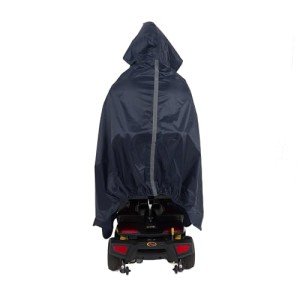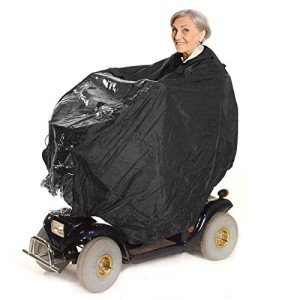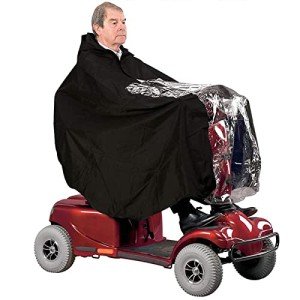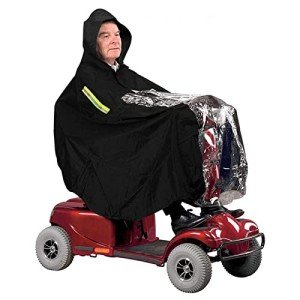





For individuals who utilize wheelchairs for mobility, inclement weather presents more than just a minor inconvenience. Rain can pose significant challenges, from dampening clothing and causing physical discomfort to potentially damaging the sensitive electronic components of a power chair or causing manual rims to become slippery and difficult to grip. The Waterproof Wheelchair Rain Cape Poncho (Unisex) has emerged as a critical accessory designed to address these specific needs, offering a blend of protection, ease of use, and practical design.
This guide provides an in-depth look at the features, benefits, and technical considerations of the unisex wheelchair rain poncho, helping users and caregivers make informed decisions about this essential piece of adaptive equipment.
The Necessity of Specialized Rain Gear
Standard umbrellas and traditional raincoats often fall short for wheelchair users. An umbrella requires at least one hand to hold, which is impossible for those operating a manual chair and cumbersome for those using a joystick. Standard raincoats often lack the necessary length to cover the legs and can bunch up uncomfortably behind the back, interfering with the seat's ergonomics.
The specialized wheelchair poncho is engineered to drape over both the individual and the chair itself. This "tent-like" structure ensures that water sheds away from the user’s body and the seat, keeping the entire mobility setup dry.
Key Features of the Unisex Design
The term "unisex" in this context refers to a functional aesthetic that prioritizes utility over gender-specific tailoring. These capes are usually designed with a generous cut to accommodate various body types and different styles of wheelchairs, from slim-line manual chairs to larger bariatric or motorized models.
| Feature | Description |
|---|---|
| Material | Heavy-duty PVC, Nylon, or Polyester with PU coating. |
| Seams | Heat-sealed or taped to prevent water seepage through stitch holes. |
| Closures | Usually features a zip neck or hook-and-loop (Velcro) fasteners for easy donning. |
| Length | Extended front to cover the knees and feet; shorter back to avoid wheel entanglement. |
| Visibility | Integrated reflective piping or strips for safety in low-light conditions. |
Primary Benefits of Using a Wheelchair Rain Poncho
1. Full-Body Coverage and Protection
The primary goal of the poncho is to keep the user dry from head to toe. Unlike a jacket, which ends at the waist, the poncho extends over the lap. This prevents water from pooling in the seat—a common issue that can lead to skin irritation or pressure-related complications if the user remains in wet clothing for extended periods.
2. Safeguarding Mobility Equipment
For users of power wheelchairs, moisture is a significant threat. Electronic joysticks and battery compartments are sensitive to water ingress. A properly fitted poncho drapes over the armrests, providing a protective canopy for the controls. For manual wheelchair users, keeping the upholstery dry ensures the chair remains comfortable and durable over time.
3. Ease of Application
Independence is a core value in the design of adaptive gear. Most wheelchair rain capes are designed with a wide neck opening and a simple "throw-over" mechanism. This allows many users to put the poncho on without assistance, or with minimal help from a caregiver, even if they have limited upper-body dexterity.
4. Portability and Storage
Modern waterproof materials are lightweight and highly compressible. Most ponchos can be folded into a compact pouch that hangs on the back of the wheelchair. This ensures that the individual is always prepared for unexpected downpours.
Technical Specifications: Materials and Durability
The effectiveness of a rain cape is largely determined by its fabric. Manufacturers typically choose between several types of synthetic materials to balance weight, breathability, and waterproof ratings.
- PVC (Polyvinyl Chloride): Extremely waterproof and budget-friendly. However, it is non-breathable and can become stiff in very cold temperatures.
- Nylon with PU Coating: Offers high durability and a softer feel than PVC. Polyurethane (PU) coatings provide excellent water resistance while remaining flexible.
- Polyester/Gore-Tex Alternatives: These are premium options that offer breathability, allowing moisture from the body to escape while preventing rain from entering. These are ideal for active users who may generate body heat.
Comparison: Ponchos vs. Traditional Outerwear
| Aspect | Wheelchair Poncho | Standard Raincoat |
|---|---|---|
| Leg Coverage | Full (covers lap and feet) | Minimal (waist-down is exposed) |
| Back Design | Shortened/Tailored for seats | Full length (can bunch up) |
| Application | Slipped over the head | Requires arm sleeves |
| Equipment Protection | Covers joysticks/armrests | No equipment protection |
| Wind Resistance | Higher (weighted hems) | Moderate |
Design Considerations for Safety
Safety is paramount when designing products for individuals with mobility impairments. A well-designed rain poncho includes several safety-centric features:
- Avoiding Wheel Interference: The rear of the poncho is typically shorter than the front. This prevents the fabric from getting caught in the spokes of manual wheels or the drive gears of power chairs.
- Reflective Accents: Rain and overcast skies significantly reduce visibility. Reflective strips on the front, back, and sides of the poncho ensure that motorists and pedestrians can see the user clearly.
- Weighted Hems: To prevent the wind from catching the fabric and blowing it into the user’s face or away from the legs, many high-quality ponchos feature weighted hems or elasticated loops that attach to the footrests.
- Clear Hoods/Visors: A hood that restricts peripheral vision is a safety hazard. Many unisex ponchos feature hoods with clear side panels or stiffened peaks to maintain a clear line of sight while protecting the face from driving rain.
Care and Maintenance Instructions
To ensure the longevity of a waterproof poncho, proper maintenance is required. Because the fabrics are treated with waterproof coatings, harsh chemicals can degrade their effectiveness.
- Drying: After use, never fold the poncho while it is still wet. Hang it in a well-ventilated area to air dry completely.
- Cleaning: Most ponchos can be wiped down with a damp cloth and mild soap. If machine washing is permitted by the manufacturer, use a gentle cycle with cold water and avoid fabric softeners.
- Storage: Store the poncho in a cool, dry place away from direct sunlight, as UV rays can eventually weaken the waterproof membrane.
Summary Checklist for Purchasing
When selecting a Waterproof Wheelchair Rain Cape Poncho, consider the following checklist to ensure the best fit and functionality:
- Is it the right length? Ensure the front covers the feet without dragging on the ground.
- Is the material breathable? Consider this if the user spends extended periods in the poncho.
- Are there reflective strips? Essential for evening or low-visibility use.
- Does it have a hood-pull? A drawstring hood ensures the wind won't blow it off.
- Is it compatible with the chair? Check if the back panel interferes with headrests or oxygen tank holders.
Frequently Asked Questions (FAQ)
Q: Can this poncho be used with a power wheelchair?
A: Yes. In fact, it is highly recommended for power chair users. The wide cut allows the fabric to drape over the joysticks and armrest controls, protecting the sensitive electronics from water damage.
Q: Is the poncho "one size fits all"?
A: Most unisex ponchos are designed with a generous "Universal Size" intended to fit most adults. However, some manufacturers offer "Junior" or "Bariatric" sizes for specific needs. It is always best to check the length measurements against the user's height and the chair's dimensions.
Q: Does the poncho cover the back of the wheelchair too?
A: This depends on the specific model. Some "wrap-around" designs cover the back of the chair and any bags hanging on it. Others have a "scalloped" back designed to sit over the backrest without covering the rear wheels, which is safer for manual chair users.
Q: Will the poncho make the user too hot?
A: Standard PVC or heavy nylon ponchos can trap body heat. If the user lives in a humid climate, it is advisable to look for a poncho with "vents" under the arms or a more breathable "micro-porous" fabric.
Q: Can the poncho be used for mobility scooters?
A: Yes, many wheelchair ponchos are compatible with three or four-wheel mobility scooters, as the draped design can often cover the tiller (steering column) as well.
The Waterproof Wheelchair Rain Cape Poncho (Unisex) represents a vital tool for maintaining independence and comfort in all weather conditions. By prioritizing full-body coverage, equipment protection, and ease of use, these garments allow wheelchair users to navigate the world without being sidelined by a rainy day. Whether choosing a basic PVC model for occasional use or a high-performance breathable version for daily commuting, the investment in a quality rain cape is an investment in freedom of movement.