Electric mobility scooters are a game-changer for anyone looking to regain independence and easily get around. These scooters are not just comfortable, they’re also packed with features that make your ride smooth and enjoyable. Whether you need to run errands or just want to explore your neighborhood, an electric mobility scooter can make all the difference.
Electric Mobility Scooters
Explore our range of electric mobility scooters designed for comfort, convenience, and independence
Product List
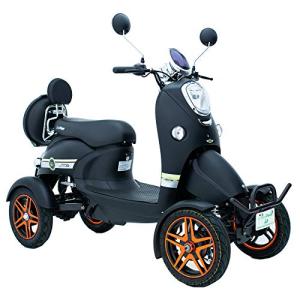
Black 4-Wheel Mobility Scooter
Green Power
Product Review Score
4.86 out of 5 stars
150 reviews$2,387.91
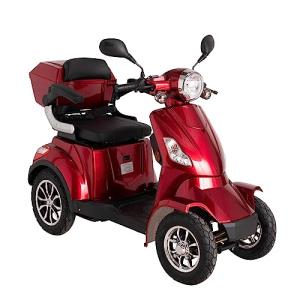
Red 4-Wheel Fast Mobility Scooter
Green Power
Product Review Score
4.17 out of 5 stars
189 reviews$2,039.73
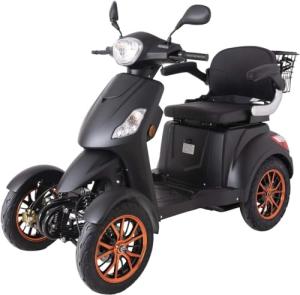
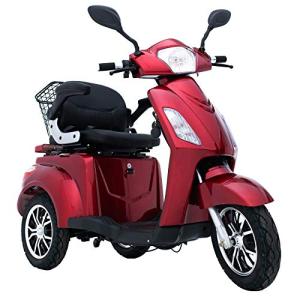
Green Power 3-Wheel Scooter
Green Power
Product Review Score
4.14 out of 5 stars
230 reviews$1,587.49
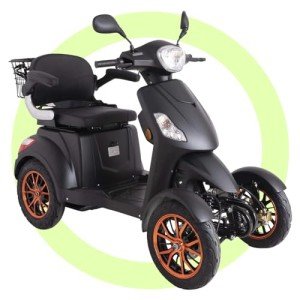
Matt Black 4-Wheel Scooter
Green Power
Product Review Score
4.73 out of 5 stars
75 reviews$1,854.30
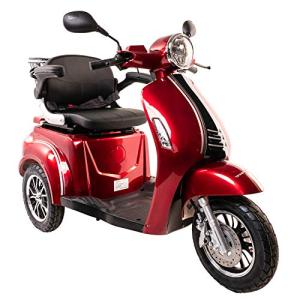
3-Wheel Scooter with Battery
Green Power
Product Review Score
4.8 out of 5 stars
40 reviews$2,254.50
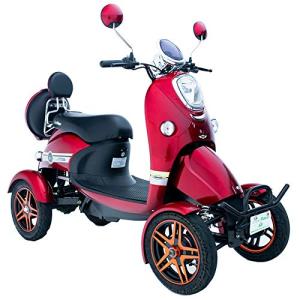
Red 4-Wheel Mobility Scooter
Green Power
Product Review Score
4.43 out of 5 stars
175 reviews$2,387.91
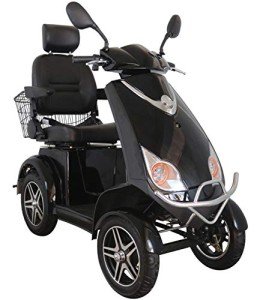
Green Power 4-Wheel Scooter
Green Power
Product Review Score
4.29 out of 5 stars
217 reviews$2,254.50
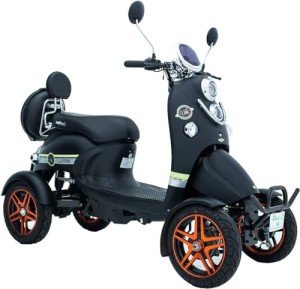
Green Power 4-Wheel Scooter
Green Power
Product Review Score
4.93 out of 5 stars
11 reviews$2,254.50
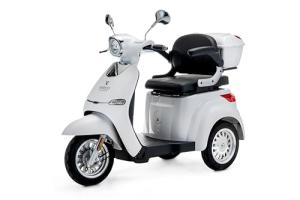
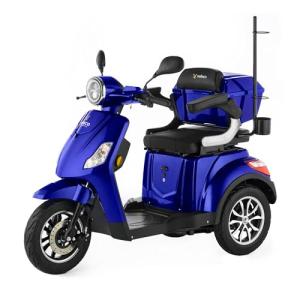
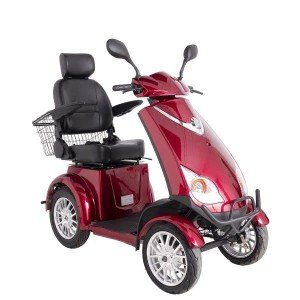
Green Power 4-Wheel Scooter Bundle
Green Power
Product Review Score
4.34 out of 5 stars
202 reviews$2,387.91
In the modern landscape of assistive technology, few inventions have had as profound an impact on personal independence as the electric mobility scooter. Designed to assist individuals with limited mobility due to age, injury, or chronic health conditions, these vehicles bridge the gap between restricted movement and an active lifestyle. As the global population ages and urban environments become more accessible, understanding the nuances of electric mobility scooters is essential for prospective users, caregivers, and healthcare providers alike.
The Evolution of Personal Transport
What began as rudimentary motorized chairs has evolved into a sophisticated industry featuring high-tech engineering, ergonomic designs, and long-lasting battery systems. Electric mobility scooters are no longer just utilitarian tools; they are customized lifestyle vehicles designed to handle various terrains, from the polished floors of a shopping mall to the uneven pavement of a public park.
The primary objective of these scooters is to reduce the physical exertion required for movement, thereby decreasing fatigue and the risk of falls. By providing a stable, powered platform, they allow users to participate in social activities, complete errands, and maintain a sense of autonomy that might otherwise be lost.
Classification of Mobility Scooters
Mobility scooters are generally categorized based on their structural design and intended use. Choosing the right category is the first step in ensuring the device meets the user's specific environmental needs.
| Scooter Type | Ideal Use Case | Key Advantage | Max Speed (Avg) |
|---|---|---|---|
| Travel/Portable | Indoor use, travel, shopping | Folds or disassembles easily | 4 mph |
| 3-Wheel Scooters | Tight spaces, indoor maneuvers | Superior turning radius | 4-5 mph |
| 4-Wheel Scooters | Outdoor use, uneven paths | Enhanced stability and balance | 5-8 mph |
| Heavy-Duty | All-terrain, larger users | High weight capacity & suspension | 8-10 mph |
3-Wheel vs. 4-Wheel Configurations
The choice between three and four wheels is often a matter of maneuverability versus stability.
- Three-wheel scooters feature a single wheel at the front, allowing for a much tighter turning radius. This makes them ideal for navigating narrow hallways or crowded stores. However, they tend to be less stable on steep inclines or sideways slopes.
- Four-wheel scooters offer a broader wheelbase, which provides maximum stability. These are preferred for users who intend to spend a significant amount of time outdoors or those who struggle with balance.
Essential Features to Consider
When evaluating different models, several technical specifications dictate the scooter’s performance and comfort.
1. Battery Life and Range
The battery is the heart of the electric scooter. Most models use either Sealed Lead Acid (SLA) or Lithium-ion batteries. While SLA batteries are more cost-effective, Lithium-ion batteries offer a longer lifespan, faster charging times, and are significantly lighter. Range varies by model, but typical travel scooters cover 8-12 miles, while heavy-duty models can exceed 25 miles on a single charge.
2. The Tiller and Controls
The "tiller" is the steering column of the scooter. Modern designs often include "delta tillers," which feature wraparound handles. This design is particularly beneficial for individuals with limited dexterity or arthritis, as it allows the user to steer and accelerate using only one hand or even just their thumbs.
3. Suspension Systems
For those who plan to use their scooter on sidewalks or gravel paths, a robust suspension system is vital. High-end models feature full-body suspension (front and rear) to absorb shocks, providing a smoother ride and protecting the user’s joints from jarring movements.
4. Weight Capacity
Every scooter has a maximum weight limit. Exceeding this limit can strain the motor, drain the battery prematurely, and compromise the braking system. Standard scooters typically hold between 250 and 300 lbs, while bariatric (heavy-duty) models can support upwards of 500 lbs.
The Benefits of Integrating Mobility Scooters into Daily Life
The advantages of adopting a mobility scooter extend beyond mere transportation. The psychological and physical benefits are documented across numerous studies regarding geriatric and rehabilitative care.
- Increased Independence: The ability to move without relying on a caregiver fosters a sense of self-worth and autonomy.
- Safety and Fall Prevention: For those with unsteady gaits, scooters eliminate the high risk of hip fractures and other injuries associated with falls.
- Social Engagement: Mobility issues often lead to isolation. A scooter allows users to attend family gatherings, visit parks, and remain active members of their community.
- Reduced Physical Strain: By saving energy on transit, users have more stamina for the activities they enjoy once they reach their destination.
Maintenance and Longevity
To ensure an electric mobility scooter remains reliable, a consistent maintenance schedule is required. Like any motorized vehicle, regular checks can prevent costly repairs.
| Component | Maintenance Action | Frequency |
|---|---|---|
| Batteries | Charge fully after every use; do not let drop to 0% | Daily/After use |
| Tires | Check for wear, punctures, or loss of pressure | Weekly |
| Cleaning | Wipe down with a damp cloth; avoid direct water on electronics | Weekly |
| Professional Service | Full diagnostic check of motor and brakes | Annually |
Practical Tips for Prospective Buyers
Choosing a mobility scooter is a significant investment. Potential owners should follow a structured evaluation process to ensure they select the right machine for their lifestyle.
- Assess the Environment: Will the scooter be used primarily indoors on carpet, or outdoors on grass and gravel?
- Evaluate Transportation Needs: Does the user have a vehicle capable of carrying a scooter? Portable models fold into trunks, while larger models may require a specialized van lift.
- Prioritize Comfort: Look for adjustable seats (height and width), flip-up armrests for easy entry/exit, and sufficient legroom.
- Test the Controls: Ensure the user can easily reach and operate the throttle and brakes without strain.
- Check Warranty and Support: Verify that the manufacturer offers a solid warranty on the frame, motor, and electronics, and that local repair services are available.
Legal and Safety Considerations
While mobility scooters do not typically require a driver's license, they are subject to specific "rules of the road" in many jurisdictions.
- Sidewalk vs. Road: In most regions, scooters are classified as pedestrian aids and should be used on sidewalks whenever possible. High-speed (Class 3) scooters may be legal on roads but often require lights, indicators, and mirrors.
- Visibility: It is highly recommended to use reflectors or LED safety lights, especially during dusk or dawn, to ensure visibility to motorists and other pedestrians.
- Pedestrian Etiquette: Scooter users must always yield to pedestrians and maintain a speed that is appropriate for the environment.
Frequently Asked Questions (FAQ)
Q: Can I take my mobility scooter on an airplane?A: Yes, most mobility scooters are airline-approved. However, you must inform the airline in advance. Lithium-ion batteries have specific Watt-hour (Wh) limits for air travel, so it is crucial to check the battery specifications and the airline's policy before heading to the airport.
Q: How long does it take to charge a mobility scooter?A: A full charge typically takes between 8 and 10 hours. It is generally recommended to charge the device overnight so it is ready for use the next day.
Q: Are mobility scooters waterproof?A: Most scooters are "water-resistant" but not waterproof. They can handle light drizzles, but heavy rain can damage the electronic console and the motor. It is advisable to use a protective cover for the control panel or seek shelter during heavy downpours.
Q: Will insurance or Medicare cover the cost?A: In many cases, Medicare or private insurance will cover a portion of the cost if the scooter is deemed "medically necessary" by a physician for use inside the home. Requirements vary significantly by provider and region.
Q: How long do the batteries last before they need replacing?A: With proper care, most mobility scooter batteries last between 12 and 24 months. Frequent deep discharging (letting the battery get very low) will shorten this lifespan.
Electric mobility scooters represent a vital intersection of technology and humanity. They provide more than just a seat and a motor; they provide the freedom to move, the ability to socialize, and the safety to navigate the world with confidence. By carefully considering the type of scooter, its technical features, and the necessary maintenance, users can enjoy a reliable mode of transport that significantly enhances their quality of life. As technology continues to advance, these devices will only become lighter, smarter, and more integrated into the daily lives of those seeking to maintain their upward mobility.