Self-propelled wheelchairs give you the freedom to get around without needing help. They’re designed to be easy to maneuver, so you can navigate tight spaces with ease. Whether you’re heading out for errands or just enjoying a stroll, these chairs offer independence and comfort when you need it most.
Self Propelled Wheelchairs
Discover your independence with our range of self propelled wheelchairs designed for easy maneuverability and comfort
Product List


Days Whirl Self-Propelled Wheelchair
Days Mobility
Product Review Score
4.63 out of 5 stars
58 reviews
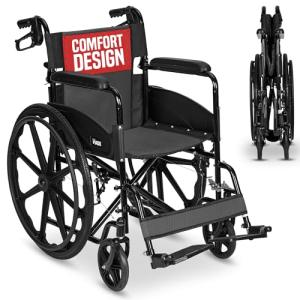
Folding Lightweight Travel Wheelchair
Made Mobility
Product Review Score
4.47 out of 5 stars
219 reviews£199.99
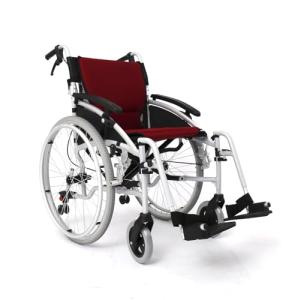
Lightweight Folding Aluminum Wheelchair
Angel Mobility
Product Review Score
4.65 out of 5 stars
179 reviews£199.95
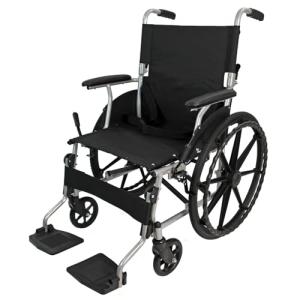
Lightweight Folding Wheelchair
Actiasgear
Product Review Score
4.38 out of 5 stars
213 reviews£84.99


PEPE Kids Foldable Wheelchair
Pepe Mobility
Product Review Score
4.29 out of 5 stars
149 reviews£229.99
Mobility is a fundamental aspect of human independence, and for many individuals with limited lower-body function, the wheelchair is the primary tool that facilitates this freedom. Among the various types available, self-propelled wheelchairs stand out as a premier choice for those who retain sufficient upper-body strength and wish to maintain an active, autonomous lifestyle. This guide explores the intricacies of self-propelled wheelchairs, their design, benefits, and the factors one must consider when selecting the ideal model.
What is a Self-Propelled Wheelchair?
A self-propelled wheelchair is a manual mobility device characterized by its large rear wheels, which are equipped with outer "push rims." These rims allow the user to grip and rotate the wheels manually, moving the chair forward, backward, or turning it in place without the need for an attendant. While many of these chairs also include handles on the back for a caregiver to assist if necessary, their primary design intent is user-driven locomotion.
In contrast to "transit" or "transport" wheelchairs—which feature four small wheels and require a second person to push—self-propelled models offer the user direct control over their environment.
The Anatomy of a Self-Propelled Wheelchair
Understanding the components of these chairs is vital for making an informed decision. Most modern self-propelled wheelchairs consist of the following key elements:
- The Frame: Usually constructed from steel, aluminum, or titanium. The frame determines the chair’s weight and durability.
- Large Rear Wheels: Typically ranging from 22 to 24 inches in diameter, these wheels provide the leverage needed for efficient movement.
- Push Rims: Circular bars attached to the rear wheels that the user grips to propel the chair.
- Front Casters: Smaller wheels at the front that pivot, allowing for steering and maneuverability.
- Braking System: Hand-operated levers that lock the rear wheels in place for safety during transfers.
- Footrests and Armrests: These can often be adjusted, swung away, or removed entirely to facilitate easier access and comfort.
Material Comparison
The material used in the construction of a wheelchair affects everything from its price to its ease of transport. The following table provides a comparison of the most common materials:
| Material | Weight | Durability | Price Range | Best Suited For |
|---|---|---|---|---|
| Steel | Heavy | Extremely High | Budget-friendly | Occasional use or indoor stability |
| Aluminum | Lightweight | High | Mid-range | Frequent travel and daily activity |
| Titanium | Ultra-lightweight | Extremely High | Premium | Long-term use and high-activity levels |
| Carbon Fiber | Lightest | High | Luxury / Specialist | High-performance athletes and active users |
The Benefits of Choosing Self-Propelled Models
The decision to use a self-propelled wheelchair over a transit model often comes down to the user's desire for autonomy and physical health.
1. Physical Exercise and Health
Propelling a wheelchair manually engages the muscles in the arms, shoulders, and chest. Regular use can improve cardiovascular health and maintain upper-body strength. It also aids in maintaining a level of physical exertion that is often lost when transitioning to a power-chair or being pushed by others.
2. Greater Autonomy
The ability to move from room to room or navigate a public space without waiting for assistance provides a significant psychological boost. It fosters a sense of independence and reduces the feeling of being a "passenger" in one's own life.
3. Obstacle Navigation
Because self-propelled wheelchairs have larger rear wheels, they are generally better at navigating uneven surfaces, small thresholds, and plush carpeting than transport chairs with small wheels. The larger surface area of the wheel provides better traction and a smoother ride.
Types of Self-Propelled Wheelchairs
Not all self-propelled wheelchairs are created equal. They are often categorized based on their weight and intended use:
- Standard Wheelchairs: Often made of steel, these are sturdy but heavy (usually over 15kg). They are ideal for short-term recovery or use within a facility.
- Lightweight Wheelchairs: Usually made of aluminum, these weigh between 10kg and 15kg. They are designed for regular users who need to fold the chair and put it in a car trunk.
- Active or "Ultra-lightweight" Wheelchairs: These are often custom-fitted to the individual. They feature high-performance materials and a minimalist design to allow for maximum speed and agility.
- Bariatric Wheelchairs: Reinforced frames and wider seats designed to support heavier weight capacities while still allowing for self-propulsion.
Factors to Consider When Selecting a Wheelchair
Choosing the right wheelchair involves more than just picking a color. It requires a detailed assessment of the user’s body and lifestyle.
Key Measurement Considerations:
- Seat Width: There should be about a one-inch gap between the user’s hips and the side of the chair. A seat that is too wide makes it difficult to reach the push rims; one that is too narrow causes pressure sores.
- Seat Depth: The seat should support the thighs without hitting the back of the knees.
- Backrest Height: For active users, a lower backrest allows for a greater range of shoulder motion. For those needing more support, a higher backrest is necessary.
Checklist for Buyers:
- Is the chair foldable for storage and transport?
- Are the tires solid (low maintenance) or pneumatic (better shock absorption)?
- Does the chair come with quick-release wheels for easier storage?
- Are the armrests "desk-length" to allow the user to sit close to a table?
- Is the weight of the chair manageable for the user to lift if they live alone?
Maintenance for Longevity
A self-propelled wheelchair is a mechanical device that requires regular upkeep to ensure safety and performance.
- Weekly: Check tire pressure (for pneumatic tires) and ensure the brakes lock securely without slipping.
- Monthly: Clean the frame with a damp cloth and check for any loose bolts or screws. Ensure the front casters spin freely and are clear of hair or debris.
- Annually: Have a specialist inspect the wheel alignment and the integrity of the folding mechanism or frame welds.
Frequently Asked Questions (FAQ)
1. Can a self-propelled wheelchair be pushed by someone else?
Yes. Most self-propelled wheelchairs come equipped with push handles at the back, allowing a caregiver or companion to take over if the user becomes fatigued.
2. Are self-propelled wheelchairs suitable for outdoor use?
Generally, yes. The larger wheels are better suited for outdoor terrain like pavement, gravel, or grass compared to transit chairs. However, very rough terrain may require specialized "all-terrain" tires or a sturdier frame.
3. Do I need a specific type of car to transport a self-propelled wheelchair?
Most self-propelled models feature a folding "X-frame" design and quick-release wheels. This allows them to become quite compact, fitting into the trunk or the back seat of most standard sedans.
4. What is the weight limit for a standard self-propelled wheelchair?
A standard model typically supports between 100kg and 125kg (approx. 220–275 lbs). For users exceeding this weight, a bariatric or heavy-duty model is recommended for safety.
5. Can I use a self-propelled wheelchair if I only have the use of one arm?
Standard models are difficult to use with one arm as they will simply spin in circles. However, "One-Arm Drive" wheelchairs exist, which use a dual-rim system on one side to control both wheels simultaneously.
Self-propelled wheelchairs are more than just a means of transport; they are a vital tool for maintaining physical health, mental well-being, and social engagement. By understanding the different materials, measurements, and types of chairs available, individuals can select a device that perfectly complements their lifestyle. Whether it is a lightweight aluminum model for travel or a high-performance titanium frame for an active lifestyle, the right chair empowers the user to navigate the world on their own terms. When chosen correctly and maintained with care, a self-propelled wheelchair becomes a reliable partner in the journey toward a more mobile and independent life.