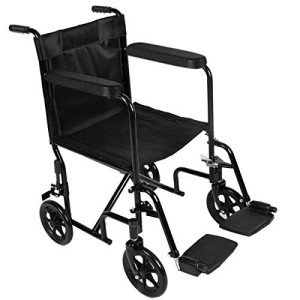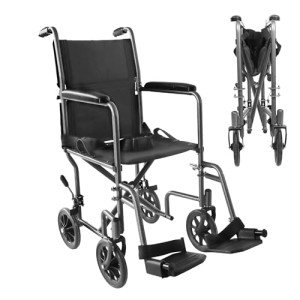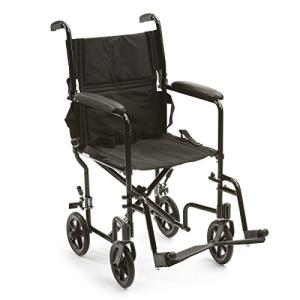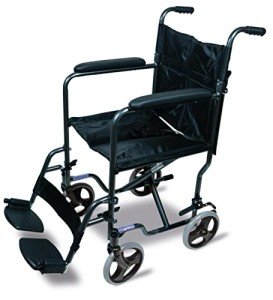


In the realm of mobility aids, the evolution of technology has prioritised three key pillars: independence, ease of transport, and aesthetic appeal. Among the most popular innovations in recent years is the Lightweight Folding Aluminium Wheelchair with Mag Wheels. This specific configuration has become a preferred choice for individuals seeking a balance between a robust build and effortless portability.
By moving away from heavy steel frames and high-maintenance spoke wheels, modern wheelchairs offer a lifestyle upgrade that empowers users and eases the burden on caregivers. This guide provides an in-depth exploration of why this specific wheelchair design is a market leader, examining its features, technical specifications, and the practical advantages of its components.
The Significance of Aluminium Construction
Traditionally, wheelchairs were constructed from heavy-duty steel. While durable, these chairs were often difficult to propel for long durations and even harder to lift into vehicles. The shift to high-grade aluminium changed the landscape of mobility.
1. Strength-to-Weight Ratio
Aluminium is renowned for its incredible strength-to-weight ratio. It provides the structural integrity needed to support significant weight loads while remaining light enough to be lifted with one hand in many cases. This makes it ideal for users who lead an active life and frequently transition between their chair and a car or public transport.
2. Corrosion Resistance
Unlike steel, which is prone to rust if exposed to moisture, aluminium naturally forms a protective oxide layer. This makes aluminium wheelchairs highly durable for outdoor use, even in humid or rainy environments, ensuring the longevity of the investment.
Understanding Mag Wheels: Aesthetics Meets Functionality
One of the standout features of this wheelchair category is the inclusion of "Mag Wheels." Short for magnesium alloy or composite wheels, these are cast as a single piece rather than using individual wire spokes.
The Advantages of Mag Wheels
- Low Maintenance: Unlike spoke wheels, which can bend, break, or require periodic tension adjustments, mag wheels are virtually maintenance-free. They do not "go out of true."
- Durability: Because they are molded as a solid unit, they are incredibly tough and can withstand impacts that might snap traditional spokes.
- Cleanliness: Spoke wheels are notorious for catching hair, debris, and dust. Mag wheels have smooth, broad surfaces that are easily wiped clean.
- Modern Design: Many users prefer the sleek, sporty look of mag wheels, which look more like high-performance cycling or automotive equipment rather than a piece of clinical medical apparatus.
Technical Specifications at a Glance
When selecting a wheelchair, understanding the technical dimensions is crucial for ensuring comfort and compatibility with one's living space. Below is a table detailing the typical specifications found in a premium lightweight aluminium model.
Table 1: Typical Specifications
| Feature | Specification Range |
|---|---|
| Frame Material | High-Grade Treated Aluminium |
| Total Weight | 11kg – 15kg (24lbs – 33lbs) |
| Weight Capacity | 100kg – 125kg (220lbs – 275lbs) |
| Seat Width Options | 16, 18, or 20 Inches |
| Folded Width | 25cm – 30cm (approx. 11 inches) |
| Rear Wheel Size | 20 – 24 Inch Mag Wheels |
| Front Caster Size | 6 – 8 Inch Solid PVC |
| Braking System | Dual Handbrakes + Attendant Brakes |
The Benefits of the Folding Mechanism
The "folding" aspect of these wheelchairs is achieved through a cross-brace design under the seat. When the seat upholstery is pulled upward, the two sides of the frame collapse toward each other.
Why Portability Matters
For many users, the ability to fold a wheelchair is the difference between staying home and going on a trip. A lightweight folding chair can fit into the trunk (boot) of a standard sedan without requiring a specialized van or ramp. Furthermore, the lightweight nature of aluminium ensures that the person loading the chair—whether a family member or the user themselves—is less likely to suffer from back strain or injury.
Aluminium vs. Steel: A Comparative Analysis
To better understand why aluminium with mag wheels is the premium choice, it is helpful to compare it to the traditional steel alternative.
Table 2: Aluminium vs. Steel Wheelchairs
| Feature | Aluminium with Mag Wheels | Traditional Steel Wheelchairs |
|---|---|---|
| Portability | Excellent; easy to lift. | Poor; heavy and cumbersome. |
| Durability | High (rust-proof). | High (but prone to rust). |
| Drive Effort | Minimal; better for self-propelling. | Significant; requires more muscle. |
| Maintenance | Low (no spokes to fix). | Moderate (spokes require tuning). |
| Aesthetics | Modern and sleek. | Clinical and "heavy" appearance. |
| Cost | Mid-to-High. | Economical/Budget. |
Key Features for User Comfort
A lightweight wheelchair is only effective if the user can sit in it comfortably for several hours. Manufacturers of aluminium chairs typically include several ergonomic features:
- Padded Upholstery: Most models use breathable nylon or padded mesh to prevent heat buildup and provide cushioning.
- Swing-Away Footrests: These allow the user to place their feet firmly on the ground when transferring in or out of the chair, reducing the risk of tripping.
- Flip-Back Armrests: This feature is essential for "side transfers" (moving from the chair to a bed or sofa) and for allowing the chair to slide under a dining table.
- Solid Tyres: The mag wheels are usually fitted with solid PU (polyurethane) tyres. This means the user never has to worry about punctures or inflating tyres with a pump.
Maintenance and Care Tips
While aluminium wheelchairs with mag wheels are designed for longevity, regular care will extend their lifespan.
- Weekly Wipe-Down: Use a damp cloth to remove dust and salt (especially if living near the ocean) from the aluminium frame.
- Check the Brakes: Ensure the handbrakes engage firmly with the tyres. If they feel loose, they can usually be adjusted with a simple wrench or Allen key.
- Pivot Points: Once every few months, apply a small drop of silicone-based lubricant to the folding cross-brace and the front caster axles.
- Upholstery Check: Look for signs of fraying or sagging. Most upholstery is replaceable, ensuring the chair continues to offer proper postural support.
The Lightweight Folding Aluminium Wheelchair with Mag Wheels represents the pinnacle of practical mobility design. By combining the rust-resistant and featherweight properties of aluminium with the durability and low-maintenance nature of mag wheels, manufacturers have created a tool that serves the user’s physical needs while respecting their desire for an active, hassle-free lifestyle.
Whether it is for daily use, travel, or as a reliable backup, this type of wheelchair provides a sense of freedom that heavier, older models simply cannot match. Investing in high-quality mobility equipment is not just about moving from point A to point B; it is about the quality of the journey in between.
Frequently Asked Questions (FAQ)
1. Are mag wheels heavier than spoke wheels?
While mag wheels can be slightly heavier than high-performance ultra-lightweight carbon spokes, they are generally comparable in weight for standard daily-use wheelchairs. The trade-off is that they are much more durable and require less maintenance.
2. Can a lightweight aluminium wheelchair be used outdoors?
Yes. Aluminium is highly resistant to the elements. These chairs are designed for use on pavements, shopping malls, and smooth outdoor paths. However, because they are lightweight, users should take care on very uneven terrain or steep inclines.
3. Is this wheelchair suitable for air travel?
Absolutely. Because they fold compactly and are made of lightweight material, they are ideal for air travel. Most airlines allow you to check the wheelchair at the gate, and the aluminium frame is sturdy enough to withstand standard baggage handling.
4. What is the benefit of "Solid Tyres" on mag wheels?
Solid tyres are made of polyurethane or rubber and do not contain air. This guarantees that you will never get a flat tyre, making the chair much more reliable for users who cannot easily perform repairs on the go.
5. Extension: How do I know which seat width to choose?
A general rule of thumb is to measure the user's hips in a seated position and add about 1 to 2 inches (2.5 to 5 cm) for comfort. The most common size is 18 inches, which fits most average-sized adults.
6. Can I self-propel these wheelchairs?
Yes. The large rear mag wheels (usually 22-24 inches) are equipped with hand rims, allowing the user to propel themselves. The lightweight nature of the aluminium frame makes self-propelling significantly easier than with a steel chair.