Transit wheelchairs are your go-to solution for getting around with ease. They’re lightweight, foldable, and super easy to transport, making them perfect for trips out or visits to family. With comfy seating and sturdy wheels, you can trust they’ll keep you moving comfortably wherever you go.
Transit Wheelchairs
Convenient and comfortable options for easy mobility on the go
Product List
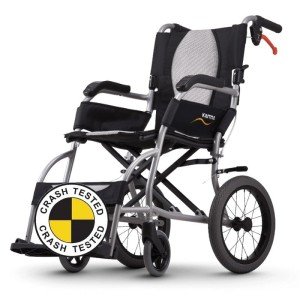
Karma Ergo Lite Folding Wheelchair
Fenetic Wellbeing
Product Review Score
4.14 out of 5 stars
156 reviews£399.99
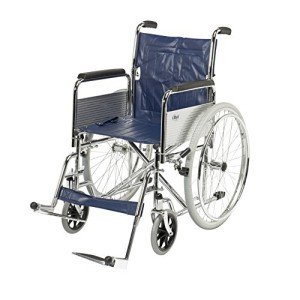
Self-Propelled Folding Wheelchair
Days Mobility
Product Review Score
4.12 out of 5 stars
191 reviews
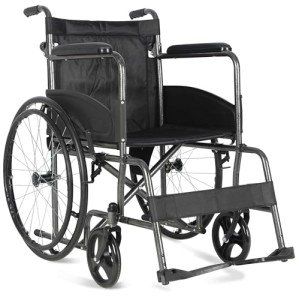
Folding Lightweight Wide Wheelchair
Aidapt
Product Review Score
4.85 out of 5 stars
216 reviews£131.59
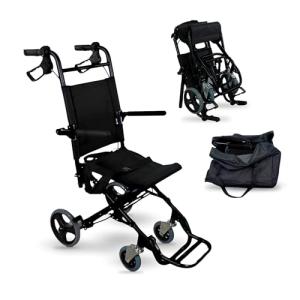
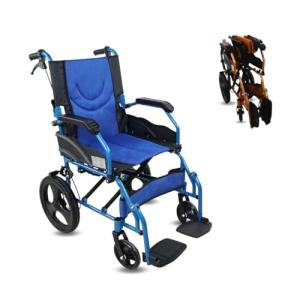
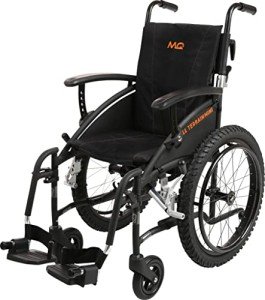
All-Terrain Kids Folding Wheelchair
Mobiquip
Product Review Score
4.83 out of 5 stars
176 reviews£325.00
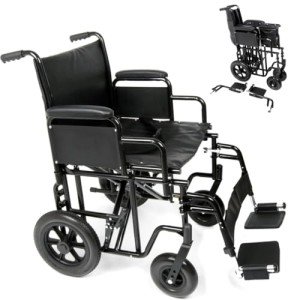
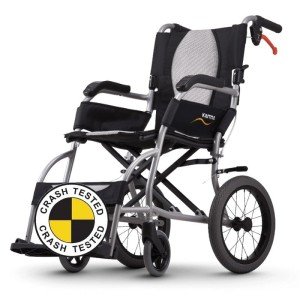
Karma Ergo Lite Folding Wheelchair
Fenetic Wellbeing
Product Review Score
4.94 out of 5 stars
228 reviews£399.99
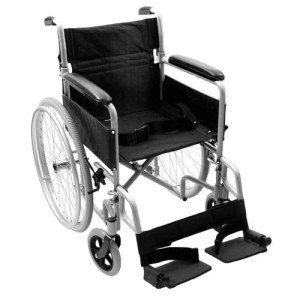
NRS Transit-Lite Wheelchair - Grey
Nrs Healthcare
Product Review Score
4.41 out of 5 stars
47 reviews
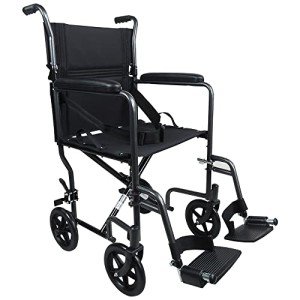
Lightweight Steel Transit Wheelchair
Loops
Product Review Score
4.37 out of 5 stars
219 reviews£177.49
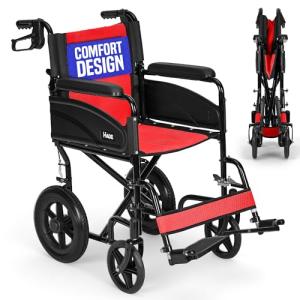
Compact Folding Wheelchair
Made Mobility
Product Review Score
4.13 out of 5 stars
211 reviews£149.99

Washranp Travel Folding Wheelchair
Washranp
Product Review Score
4.34 out of 5 stars
186 reviews£88.98 £80.73
Mobility is a fundamental aspect of human independence and quality of life. For individuals who face challenges with walking due to age, injury, or chronic illness, wheelchairs offer a vital solution. Among the various types of mobility aids available, transit wheelchairs—also known as transport wheelchairs—stand out as a practical choice for short-term travel and assisted mobility.
This guide provides an in-depth exploration of transit wheelchairs, their features, benefits, and how to choose the right model to enhance the user’s quality of life and the caregiver’s ease of use.
What is a Transit Wheelchair?
A transit wheelchair is specifically designed to be pushed by an attendant or caregiver rather than propelled by the user. The most identifying feature of a transit wheelchair is its four small wheels. Unlike self-propelled wheelchairs, which have large rear wheels with hand rims, transit models rely entirely on a second person for movement. This design makes them lighter, more compact, and easier to navigate in tight spaces.
Transit vs. Self-Propelled Wheelchairs
Choosing between a transit and a self-propelled wheelchair depends entirely on the user’s physical capabilities and the primary environment where the chair will be used.
Table 1: Key Differences Between Transit and Self-Propelled Wheelchairs
| Feature | Transit Wheelchair | Self-Propelled Wheelchair |
|---|---|---|
| Wheel Size | Small wheels (typically 8-12 inches) | Large rear wheels (typically 24 inches) |
| Propulsion | Attendant/Caregiver only | User-propelled or Attendant-pushed |
| Weight | Generally lighter and more portable | Heavier due to larger wheels |
| Maneuverability | Excellent in tight indoor spaces | Better for mounting curbs and rougher terrain |
| Storage | Highly compact; fits in most car trunks | Larger; may require wheel removal for storage |
| Physical Effort | Zero effort for the user | Exercise benefits for the user |
Key Features of Transit Wheelchairs
Modern engineering has transformed transit wheelchairs from heavy, cumbersome devices into sleek, ergonomic tools. Understanding the following features is essential when evaluating different models.
1. Frame Materials
The weight of the chair is largely determined by its frame material.
- Steel: Durable and cost-effective, but significantly heavier. Best for high-weight capacity needs.
- Aluminum: Most common in modern designs. It is lightweight, rust-resistant, and ideal for frequent travel.
- Carbon Fiber: Extremely lightweight and strong, but significantly more expensive.
2. Folding Mechanisms
Most transit wheelchairs feature a "cross-brace" folding mechanism. When the seat is pulled upward, the sides of the chair collapse inward. Some models also include "half-folding" backrests, which allow the top half of the backrest to fold down, making the chair even more compact for car boots or cupboards.
3. Braking Systems
Safety is paramount. Transit wheelchairs usually feature two types of brakes:
- Wheel Locks: Located on the rear wheels to keep the chair stationary during transfers.
- Attendant Brakes: Hand-operated brakes located on the pushing handles, allowing the caregiver to control speed on slopes or stop the chair instantly.
4. Comfort and Ergonomics
While the attendant does the work, the user’s comfort remains a priority. Features to look for include:
- Padded Upholstery: Easy-to-clean nylon or breathable mesh.
- Swing-away Footrests: These allow the user to sit down and stand up without tripping over the footplates.
- Padded Armrests: Desk-style armrests allow the user to sit closer to a table or desk.
The Benefits of Using a Transit Wheelchair
Transit wheelchairs offer several advantages that make them the preferred choice for specific scenarios, such as hospital visits, shopping trips, or air travel.
Portability and Ease of Transport
Because they lack large wheels, transit wheelchairs are significantly easier to lift into a vehicle. For caregivers who may have their own physical limitations, the reduced weight of an aluminum transit chair (often between 9kg and 12kg) is a major benefit.
Space Efficiency
In crowded environments like restaurants, doctors' offices, or narrow hallways, the smaller footprint of a transit chair is invaluable. They have a tighter turning radius than self-propelled models, making navigation less stressful for the attendant.
Safety for Vulnerable Users
For individuals with cognitive impairments, severe frailty, or lack of upper body strength, a self-propelled chair can sometimes be unsafe. A transit chair ensures that a responsible caregiver is always in control of the movement and braking.
How to Select the Right Size
A wheelchair that does not fit correctly can lead to pressure sores, poor posture, and discomfort. When purchasing or renting a transit wheelchair, consider the dimensions carefully.
Table 2: Standard Sizing Guide for Transit Wheelchairs
| Dimension | Standard Measurement | How to Measure |
|---|---|---|
| Seat Width | 16", 18", or 20" | Measure the widest part of the user's hips and add 1-2 inches. |
| Seat Depth | 16" - 18" | Measure from the back of the hip to the back of the knee, minus 1 inch. |
| Weight Capacity | 100kg - 135kg (Standard) | Ensure the user’s weight is well within the limit for safety. |
| Backrest Height | 16" - 19" | Measure from the seat base to the shoulder blades or mid-back. |
Maintenance and Care
To ensure the longevity and safety of a transit wheelchair, regular maintenance is required. Caregivers should perform the following checks:
- Weekly: Check tire pressure (if pneumatic) or inspect solid tires for wear and debris.
- Monthly: Test the brakes to ensure they lock firmly. Wipe down the frame to prevent dust buildup in the folding joints.
- Bi-Annually: Check all nuts and bolts to ensure they are tight. Lubricate moving parts, such as the folding cross-brace and wheel axles, with a silicone-based spray.
- Upholstery Care: Inspect for tears or sagging. Damaged upholstery can affect the user's spinal alignment and should be replaced immediately.
Frequently Asked Questions (FAQ)
1. Can a person use a transit wheelchair on their own?
No. Transit wheelchairs have small wheels that the user cannot reach. They require an attendant or caregiver to push the chair.
2. Are transit wheelchairs suitable for long-term daily use?
While they are excellent for transport and short outings, individuals who spend most of their day in a chair may requires a specialized "postural" or "active" wheelchair that offers more specific ergonomic support and pressure relief.
3. Can transit wheelchairs handle gravel or grass?
Transit wheelchairs are primarily designed for flat, hard surfaces like pavements and indoor flooring. Because the wheels are small, they can struggle on soft ground or very uneven terrain.
4. What is a "Heavy Duty" or Bariatric transit chair?
These are transit wheelchairs with reinforced frames and wider seats designed to safely accommodate users who weigh more than the standard 115kg-135kg limit.
5. Are transit wheelchairs allowed on airplanes?
Yes. Most airlines allow wheelchairs to be checked at the gate. Because transit chairs fold compactly, they are generally very easy to travel with internationally.
Transit wheelchairs represent a vital bridge to the outside world for many individuals. By prioritizing portability and caregiver control, these chairs reduce the logistical hurdles associated with mobility impairment. When selecting a model, focusing on the weight of the frame, the ease of the folding mechanism, and the comfort of the user ensures a purchase that provides value for years to come. Whether it is for a quick trip to the grocery store or a long-awaited family vacation, the right transit wheelchair makes the journey possible.