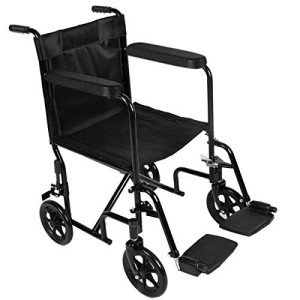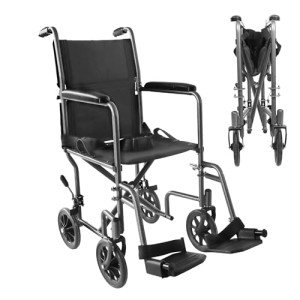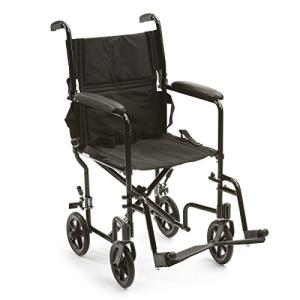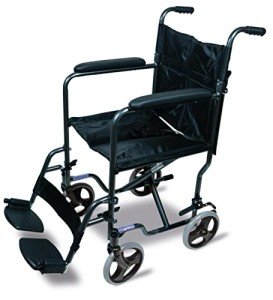


Mobility is a fundamental aspect of human independence. For individuals with limited mobility due to age, injury, or chronic conditions, the choice of a wheelchair can significantly impact their quality of life. Among the various options available on the market, the lightweight folding wheelchair with adjustable footrests has emerged as a gold standard for versatility and user comfort.
This guide explores the design, benefits, and technical specifications of these mobility aids, providing a comprehensive overview for users, caregivers, and medical professionals.
Understanding the Lightweight Folding Wheelchair
A lightweight folding wheelchair is typically defined by its frame material and its ability to collapse for storage or transport. Unlike traditional manual wheelchairs, which can weigh upwards of 40 to 50 pounds, lightweight models generally weigh between 19 and 34 pounds. This reduction in weight is achieved through the use of advanced materials such as aircraft-grade aluminum or titanium.
The "folding" aspect refers to a cross-brace mechanism under the seat. When the seat is lifted, the sides of the wheelchair pull together, allowing the unit to fit into car trunks, closets, or narrow storage spaces.
Material Comparison Table
The choice of material dictates both the price and the durability of the wheelchair.
| Material | Average Weight | Durability | Price Range | Best For |
|---|---|---|---|---|
| Aluminum | 25–34 lbs | High | Moderate | General daily use and travel. |
| Carbon Fiber | 15–22 lbs | Very High | Premium | Users requiring maximum portability. |
| Steel | 40+ lbs | Excellent | Low | Short-term use or budget constraints. |
| Titanium | 18–25 lbs | Extremely High | Premium | High-activity users; impact resistant. |
The Critical Role of Adjustable Footrests
While the frame provides the structure, the footrests are essential for ergonomic support. Adjustability in food supports is not merely a luxury; it is a clinical necessity for many users. Adjustable footrests typically offer two types of customization: height adjustment and "swing-away" or "elevating" functionality.
Benefits of Footrest Adjustability
- Pressure Distribution: Properly adjusted footrests ensure that the user’s weight is distributed evenly across the seat and thighs. If footrests are too high, excess pressure is placed on the ischial tuberosities (sitting bones). If they are too low, the user may slide forward, leading to poor posture.
- Circulation Improvement: Elevating footrests are crucial for individuals with edema (swelling) or circulatory issues. By raising the legs above the heart level, gravity assists in lymphatic drainage and blood flow.
- Ease of Transfers: Swing-away footrests allow the user or caregiver to move the supports out of the path, providing a clear space for the user to stand up or sit down without tripping.
- Customized Leg Length: Since every user has a different tibial length (the distance from the back of the knee to the heel), adjustable heights ensure the feet are supported without dangling or being pushed too high.
Key Features of Modern Lightweight Folding Wheelchairs
When selecting a wheelchair, certain features enhance the overall experience. Manufacturers have innovated beyond just the frame and footrests to include:
- Quick-Release Wheels: This allows the large rear wheels to be removed with the push of a button, further reducing the weight and size for transport.
- Breathable Upholstery: Modern nylon fabrics prevent heat buildup, which is essential for users who spend several hours a day in the chair.
- Dual Axle Positions: Some models allow the seat height to be adjusted to a "hemi-level," which is lower to the ground, allowing users to propel the chair with their feet.
- Padded Armrests: Often available in "desk-length" to allow the user to pull up close to a table or "full-length" for maximum support.
Advantages for Caregivers and Users
The combination of a lightweight frame and adjustable components offers logistical advantages that cannot be ignored.
For the User:
- Increased Independence: A lighter chair is easier to propel manually, reducing the strain on the shoulders and wrists.
- Custom Comfort: Adjustable footrests accommodate different shoe types and seasonal clothing changes (like heavy boots vs. light sandals).
- Social Inclusion: Because the chair folds easily, users are more likely to participate in outings, knowing the chair will fit in most vehicles.
For the Caregiver:
- Reduced Physical Strain: Lifting heavy wheelchairs into a vehicle is a leading cause of back injuries among caregivers. A lightweight model mitigates this risk.
- Simplified Navigation: Lightweight chairs are often more maneuverable in tight spaces, such as narrow hallways or crowded cafes.
Technical Specifications to Consider
Before purchasing, one must analyze the specifications to ensure the chair meets the specific needs of the user.
| Specification | Standard Lightweight Range |
|---|---|
| Weight Capacity | 250 lbs – 300 lbs |
| Seat Widths | 16", 18", or 20" |
| Folded Width | 10" – 13" |
| Footrest Style | Swing-away or Elevating |
| Rear Wheel Type | Solid Rubber or Pneumatic (Air-filled) |
Maintenance for Longevity
To ensure a lightweight folding wheelchair remains safe and functional, regular maintenance is required. Because these chairs have more moving parts (the folding hinge and adjustable footrests), they are susceptible to wear over time.
- Lubricate the Hinge: The cross-brace folding mechanism should be lubricated every few months to prevent squeaking or sticking.
- Tighten the Footrests: Adjustable footrests use bolts or clip-on mechanisms that can loosen with vibration. These should be checked monthly.
- Upholstery Check: Look for sagging in the seat. If the seat sags too much, it compromises the user's pelvic alignment.
- Tire Pressure: If the chair has pneumatic tires, maintaining the correct PSI makes the chair significantly easier to push.
Who Should Choose This Type of Wheelchair?
This specific configuration—lightweight, folding, and adjustable—is ideal for a wide demographic:
- Seniors: Those who need assistance for long distances but want to maintain as much mobility as possible.
- Post-Surgery Patients: Individuals recovering from hip or knee surgeries who require leg elevation and a chair that is easy to store during recovery.
- Frequent Travelers: People who often use taxis, rideshares, or airplanes and need a chair that can be handled quickly by staff.
- Hemi-plegia Patients: Individuals who have weakness on one side of the body and benefit from the adjustability of the chair to aid in one-sided propulsion.
Frequently Asked Questions (FAQ)
1. Is a lightweight wheelchair as durable as a heavy-duty one?
Yes, for users within the specified weight capacity. While they feel lighter, the aeronautical-grade aluminum alloys used are designed to withstand daily use. However, for users over 300-350 lbs, a reinforced "bariatric" model is usually recommended.
2. Can the footrests be removed entirely?
Most lightweight folding wheelchairs feature footrests that are not only adjustable but also completely removable. This is particularly helpful when trying to reduce the chair's footprint for storage in very small car trunks.
3. Does insurance or Medicare cover these wheelchairs?
In many regions, Medicare or private insurance will cover a "K0003" (Lightweight Manual Wheelchair) if it is deemed medically necessary. However, specific features like elevating footrests may require a separate prescription or justification from a physician.
4. What is the difference between "Swing-Away" and "Elevating" footrests?
Swing-away footrests move to the side to allow for easy entry and exit. Elevating footrests do the same, but they also allow the user to lock the leg support at different angles to keep the legs straight or raised.
5. Are lightweight wheelchairs suitable for self-propulsion?
Absolutely. Most are designed with large rear wheels (usually 24 inches) featuring hand rims, allowing the user to navigate themselves. If the user cannot self-propel, a "transport chair" (which has four small wheels) might be a lighter alternative, though it lacks the independence of a standard wheelchair.
The lightweight folding wheelchair with adjustable footrests represents a perfect marriage of engineering and empathy. By prioritizing both the portability required for modern life and the ergonomic support required for physical health, these chairs provide more than just mobility—they provide dignity.
When choosing a model, it is vital to consider the user's weight, the frequency of travel, and the specific clinical needs regarding leg positioning. With the right selection and proper maintenance, these wheelchairs serve as reliable companions, ensuring that a lack of mobility does not mean a lack of engagement with the world.