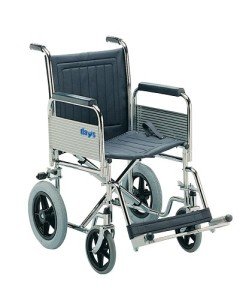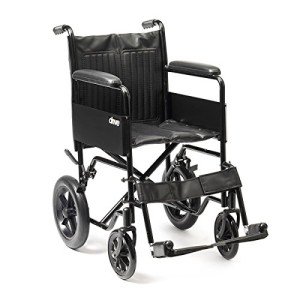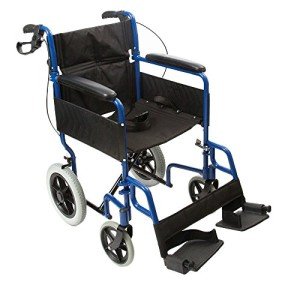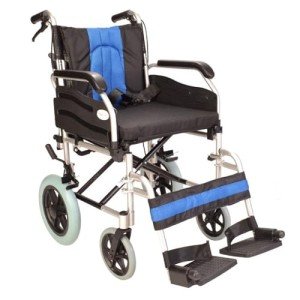





Mobility is more than just a means of moving from point A to point B; it is an essential component of independence, dignity, and quality of life. For individuals with larger frames or those who require additional room for comfort, the standard wheelchair often falls short. In recent years, the medical equipment industry has recognized this gap, leading to the development of the folding lightweight self-propelled wheelchair with an extra-wide seat.
This specialized equipment combines the structural integrity required for bariatric support with the portability sought by active users and caregivers. This guide explores the features, benefits, and technical considerations of these wheelchairs to help users make an informed decision.
The Evolution of the Extra Wide Wheelchair
Historically, wheelchairs with wider seats were synonymous with heavy, cumbersome steel frames that were difficult to maneuver and nearly impossible to transport in a standard vehicle. However, advancements in metallurgy and ergonomic design have revolutionized this sector. Modern extra-wide wheelchairs now utilize high-grade aluminum alloys, allowing them to remain lightweight without compromising on weight capacity.
Why Seat Width Matters
The seat width of a wheelchair is critical for both comfort and clinical health. A seat that is too narrow can lead to:
- Pressure Sores: Constriction against the hips and thighs restricts blood flow.
- Poor Posture: Users may be forced into an unnatural position, leading to back pain.
- Skin Irritation: Constant friction against the side panels can cause significant discomfort.
An extra-wide seat—typically defined as 20 inches, 22 inches, or 24 inches—provides the necessary clearance for a comfortable seating experience, allowing for even weight distribution and better airflow.
Key Features and Specifications
When selecting a folding lightweight self-propelled wheelchair, it is vital to understand the technical specifications that define its performance. Below is a summary of the standard features found in high-quality models.
Table 1: Technical Specifications Overview
| Feature | Standard Specification | Bariatric/Extra Wide Specification |
|---|---|---|
| Seat Width | 16" – 18" | 20" – 24" (or more) |
| Frame Material | Steel or Standard Aluminum | Reinforced Aircraft-Grade Aluminum |
| Weight Capacity | 250 lbs (113 kg) | 350 lbs – 500 lbs (158 kg – 226 kg) |
| Product Weight | 30 lbs – 45 lbs | 32 lbs – 40 lbs (Lightweight Models) |
| Wheel Type | Fixed or Quick-Release | Quick-Release with Reinforced Spokes |
| Folding Mechanism | Single Cross-Brace | Double Cross-Brace for added stability |
The Advantages of Self-Propulsion
A self-propelled wheelchair features large rear wheels (usually 22 to 24 inches) equipped with handrims. This design allows the user to manuever the chair independently. For many, this independence is the primary benefit, but there are several other advantages:
- Physical Exercise: Self-propelling helps maintain upper body strength and cardiovascular health.
- Increased Maneuverability: Large wheels can handle uneven outdoor terrain, such as cracked sidewalks or plush carpeting, more effectively than small-wheeled transit chairs.
- Versatility: Most self-propelled wheelchairs also include push handles, allowing a caregiver to assist when the user becomes fatigued.
Engineering the "Lightweight" and "Folding" Capability
The "lightweight" aspect of these chairs is achieved through the use of aluminum. While steel is cheaper, it is significantly heavier. Aluminum provides a high strength-to-weight ratio, which is essential when the chair must support a higher weight capacity while remaining portable.
The "folding" feature is typically facilitated by a cross-brace under the seat. In extra-wide models, a double cross-brace is often used. This adds minimal weight but drastically increases the frame's rigidity, ensuring the chair doesn't "flex" or sag under the user's weight.
Benefits of the Folding Design:
- Storage: The chair can be tucked away in a closet or behind a door when not in use.
- Transportation: Most models can fold down to a width of 10–13 inches, making them compatible with the trunks of most mid-sized sedans.
- Travel: Folding wheelchairs are generally easier to check in during air travel or fit into accessible public transport.
Choosing the Right Size: A Comparison Guide
Selecting the correct seat width is a balance between user comfort and the environments where the chair will be used. A chair that is too wide may not fit through standard interior doorways (which are often 28–30 inches wide).
Table 2: Seat Width and User Profile
| Seat Width | Recommended User Measurement (Across Hips) | Best Use Case |
|---|---|---|
| 20 Inches | 17" - 18" Hip Width | Users needing extra winter clothing or slight extra room. |
| 22 Inches | 19" - 20" Hip Width | Standard bariatric requirement for comfort and mobility. |
| 24 Inches | 21" - 22" Hip Width | Maximum support for larger frames; requires wide door frames. |
Essential Accessories and Components
To maximize the utility of a folding lightweight wheelchair, several components should be considered:
- Padded Upholstery: Extra-wide seats require durable, reinforced nylon upholstery that resists stretching over time.
- Quick-Release Wheels: This feature allows the large rear wheels to be removed with the push of a button, further reducing the weight and size for transport.
- Swing-Away Footrests: Especially important for wider chairs, these allow the user to get closer to tables and facilitate safer transfers.
- Anti-Tip Bars: Given the wider center of gravity, anti-tip bars provide an essential safety margin when navigating inclines.
- Desk-Length Armrests: These allow the user to pull up close to a desk or dining table, which is often difficult with full-length armrests on a wide chair.
Maintenance and Care
To ensure the longevity of a lightweight self-propelled wheelchair, regular maintenance is required. Because these chairs carry more weight, the stresses on the joints and wheels are higher.
- Weekly: Check tire pressure (if pneumatic) or inspect for wear and tear (if solid).
- Monthly: Ensure the folding mechanism is moving smoothly. Apply a silicone-based lubricant if the cross-brace feels stiff.
- Quarterly: Check all nuts and bolts, particularly on the handrims and footrest attachments, to ensure they remain tight.
- Cleaning: Use a damp cloth with mild soap to clean the frame and upholstery. Avoid abrasive chemicals that can degrade the aluminum finish or the integrity of the fabric.
Frequently Asked Questions (FAQ)
1. Will an extra-wide wheelchair fit through a standard bathroom door?
Standard interior doors are typically 28 to 30 inches wide. A 22-inch seat wheelchair usually has an overall width of approximately 28–30 inches once the wheels and handrims are factored in. It is crucial to measure the total width (wheel-to-wheel) before purchasing to ensure it fits through the user's home doorways.
2. Is aluminum strong enough to support 400 lbs?
Yes. Modern aircraft-grade aluminum frames are specifically engineered with reinforced joints and double cross-braces to handle high weight capacities while remaining much lighter than traditional steel.
3. Can I convert a self-propelled chair to a transit chair?
While many self-propelled chairs have handles for an attendant to push, they are not "transit chairs" in the strictest sense. However, some models come with "quick-release" wheels that can be swapped for smaller wheels, though this often requires a specific frame design.
4. Are the tires puncture-proof?
Many lightweight models come with solid polyurethane tires which are puncture-proof. While these provide a slightly firmer ride than air-filled (pneumatic) tires, they eliminate the risk of being stranded with a flat.
5. How heavy is the chair when the wheels are removed?
If the chair features quick-release wheels, the "carry weight" of the frame can often drop to as little as 20–25 lbs, making it very manageable for most caregivers to lift into a car.
The transition to using a wheelchair shouldn't mean a loss of comfort or freedom. The folding lightweight self-propelled wheelchair with an extra-wide seat represents the pinnacle of modern mobility design—balancing the heavy-duty needs of the user with the logistical needs of a modern, mobile lifestyle. By prioritizing the correct dimensions, frame materials, and safety features, users can ensure they remain active, comfortable, and independent for years to come.