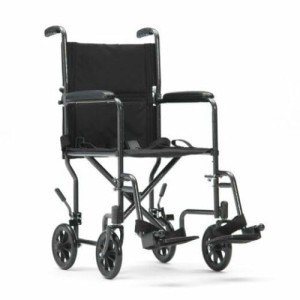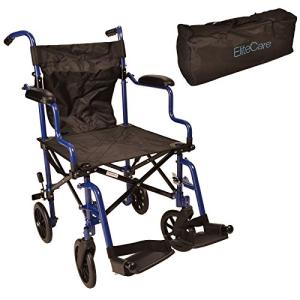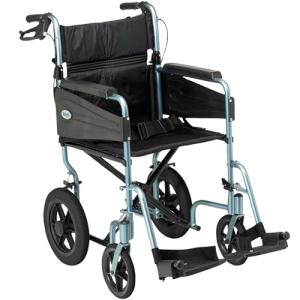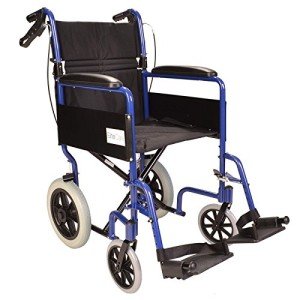

In the realm of mobility aids, wheelchairs serve as vital tools that enhance independence and quality of life for users. Among the diverse range of options available, the 20-inch extra wide lightweight folding wheelchair stands out as an ideal solution for those seeking comfort and portability. This guide delves into its features, benefits, and considerations, highlighting why it is an excellent choice for individuals needing a reliable mobility aid.
Key Features
Extra Wide Seat
One of the defining attributes of the 20-inch extra wide wheelchair is its spacious seat. This width is particularly beneficial for users who require additional room for comfort, support, or stability. The extra width allows for improved weight distribution, reducing the risk of skin tears and pressure sores – common concerns for wheelchair users.
Lightweight Design
Crafted from high-quality, durable materials, this wheelchair manages to balance sturdiness with a lightweight frame. The reduced weight not only makes it easier for caregivers to maneuver but also simplifies storage and transport. For individuals who may need to lift their wheelchair into vehicles or store it in tight spaces, the lightweight design is a significant advantage.
Folding Mechanism
The folding capability of this wheelchair makes it exceptionally convenient. With a simple folding mechanism, it can be collapsed quickly for easy transport and storage. Whether it’s a day out with friends or traveling to a medical appointment, users can easily take their wheelchair along without hassle.
Adjustable Features
Many 20-inch extra wide lightweight folding wheelchairs come equipped with adjustable features to cater to various user needs. This may include adjustable armrests, footrests, and backrests to ensure optimal comfort and support for each individual user. Additionally, some models allow for height adjustments, accommodating various body types and enhancing overall usability.
Benefits of Using a 20 Inch Extra Wide Lightweight Folding Wheelchair
Enhanced Comfort
For those who require a wider seating option, a 20-inch seat provides the additional space necessary for comfort. Users can experience a more relaxed seating position, reducing the risk of discomfort during prolonged use.
Portability and Convenience
The combination of a lightweight frame and folding design makes this wheelchair one of the most portable options available. It can be easily stored in the trunk of a car, making it ideal for travel enthusiasts or those who are frequently on the go.
Increased Stability
The broader base provided by the extra-wide seat enhances stability for users, particularly for those who may struggle with balance. This makes the wheelchair not only a practical choice but also a safer one.
Improved Independence
Choosing a wheelchair that caters to individual needs can significantly enhance a user’s independence. With features that are tailored to comfort and ease of use, individuals can regain and maintain their autonomy, engaging in everyday activities with confidence.
Considerations When Purchasing
Before making a purchase, there are several factors to take into account:
Weight Capacity
Always check the weight capacity of the wheelchair to ensure it can adequately support the user’s weight. This is particularly important for extra wide models, which often cater to larger body types.
Dimensions and Fit
While the seat width is crucial, overall dimensions should also be assessed to ensure the wheelchair fits comfortably in all intended environments. Consider door widths, hallways, and transportation needs when selecting a model.
Cost and Warranty
While lightweight folding wheelchairs can range significantly in price, it’s important to evaluate not only the upfront cost but also any potential long-term savings in maintenance. Look for warranties that cover components, ensuring peace of mind with your purchase.
The 20-inch extra wide lightweight folding wheelchair is an exceptional option for individuals seeking mobility solutions that prioritize comfort, portability, and stability. By catering to a broader range of user needs, these wheelchairs help enhance independence and quality of life. When selecting the right wheelchair, individuals are encouraged to assess their unique requirements and preferences, ultimately choosing a product that empowers them to lead a fulfilling and active life. Embracing mobility aids like this wheelchair can transform challenges into opportunities, enabling users to navigate their world with ease and confidence.