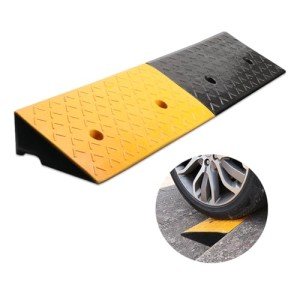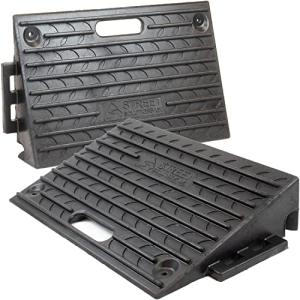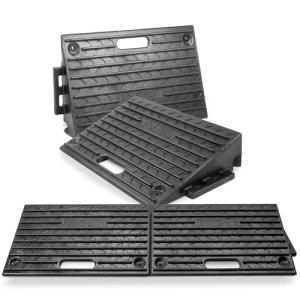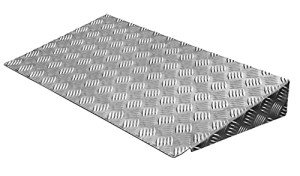





In the realm of modern architecture and interior design, "accessibility" is no longer just a buzzword; it is a fundamental requirement for inclusive living. While grand installations like elevators and long transit ramps often garner the most attention, it is often the smallest obstacles—the minor lips of doorways and sliding door tracks—that pose the greatest daily challenges. The 25mm rise non-slip rubber threshold ramp has emerged as a premier solution for bridging these small but significant gaps. This guide provides a comprehensive overview of why this specific piece of equipment is essential for safety, mobility, and convenience.
Understanding the Need for Threshold Ramps
A threshold is the sill of a doorway that often sits slightly higher than the surrounding floor. While a 25mm (approximately 1 inch) height difference may seem negligible to an able-bodied person, it represents a significant barrier for individuals using wheelchairs, walkers, or power scooters. Beyond mobility aids, these small rises are common tripping hazards for the elderly or children.
The 25mm rise non-slip rubber threshold ramp is specifically engineered to mitigate these risks. By creating a gentle incline, it allows wheels to glide over the edge smoothly and provides a stable, high-friction surface for those on foot.
Key Features and Benefits
The selection of industrial-grade rubber as the primary material for these ramps is not coincidental. Rubber offers a unique combination of durability, safety, and ease of use that other materials often lack.
1. Superior Slip Resistance
Safety is the primary concern for any accessibility aid. Rubber naturally possesses a high coefficient of friction. Most 25mm ramps feature additional molded patterns—such as grooves or diamond-plate textures—to ensure maximum grip even when the ramp is wet. This makes them ideal for both indoor and outdoor use.
2. High Load Capacity
Despite being relatively lightweight, high-density rubber ramps can support significant weight. Most are rated to handle several hundred kilograms, making them suitable for heavy motorized wheelchairs and high-traffic commercial environments.
3. Durability and Weather Resistance
Unlike wood, which can rot, or metal, which can corrode, high-quality recycled rubber is remarkably resilient. It resists UV damage, does not rust, and can withstand extreme temperatures without cracking.
4. Noise Reduction
One often-overlooked benefit of rubber is its sound-dampening properties. While metal ramps can clatter and echo when crossed, rubber absorbs the impact, making for a much quieter transition—a vital feature for apartment buildings and private residences.
Technical Specifications
When purchasing or installing a threshold ramp, understanding the dimensions and capacity is vital. Below is a standard specification table for a typical 25mm rise rubber ramp.
Table 1: Standard Specifications for a 25mm Rubber Threshold Ramp
| Feature | Specification |
|---|---|
| Height (Rise) | 25mm (1 inch) |
| Material | High-density SBR or Recycled Rubber |
| Width Options | 900mm to 1100mm (standard door width) |
| Gradient/Slope | Typically 1:8 or 1:10 |
| Weight Capacity | 500kg - 1000kg (depending on density) |
| Surface Texture | Grooved or Diamond-Tread non-slip |
| Color | Black (standard) or Grey |
Applications: Where to Use a 25mm Ramp
The versatility of the 25mm rise makes it one of the most popular sizes on the market. It is specifically designed for "mini-thresholds" found in various settings:
- Sliding Door Tracks: The tracks for sliding glass doors often sit about 25mm high. A rubber ramp allows wheelchairs to cross without damaging the track or jarring the user.
- Bathroom Entries: Many bathrooms have a slight step-up to prevent water overflow. A rubber ramp here provides safety in a high-moisture environment.
- Residential Doorways: Front and back doors often have a weather-strip threshold that creates a small lip.
- Commercial Showrooms: Protecting cables or small transitions between different flooring types (e.g., carpet to tile).
Comparing Materials: Why Rubber Wins for Small Rises
There are several materials used for threshold ramps, including aluminum and plastic. However, for a 25mm rise, rubber is often the superior choice.
Table 2: Comparison of Threshold Ramp Materials
| Feature | Rubber Ramp | Aluminum Ramp | Plastic Ramp |
|---|---|---|---|
| Grip/Traction | Excellent (Natural) | Moderate (Requires tape) | Variable |
| Noise Level | Very Low | High (Metallic) | Moderate |
| Modification | Easy (Can be trimmed) | Difficult (Requires saw) | Difficult |
| Installation | Permanent or Portable | Usually Permanent | Often Portable |
| Durability | High (Weatherproof) | High (Corrosion-prone) | Moderate (UV sensitive) |
Installation and Maintenance
One of the greatest advantages of the 25mm rubber threshold ramp is the ease of installation. Because rubber is heavy and high-friction, many of these ramps are "gravity-fit," meaning they stay in place simply due to their weight and the grip of the bottom surface.
How to Install:
- Clean the Surface: Ensure the floor is free of dust, oil, and debris.
- Measure and Trim: If the ramp is wider than the door frame, a rubber ramp can be trimmed using a sharp utility knife and a straight edge.
- Positioning: Place the vertical edge flush against the threshold.
- Adhesion (Optional): For high-traffic commercial areas, a bead of construction adhesive or double-sided outdoor tape can be used to permanently secure the ramp.
Maintenance Tips:
- Cleaning: Use a mild detergent and water. Avoid petroleum-based cleaners as they can degrade the rubber.
- Inspection: Periodically check for any buildup of debris underneath the ramp that might cause it to shift.
- Outdoor Care: Sweeping away leaves or snow ensures the non-slip texture remains effective.
Safety Considerations
While the 25mm rise ramp significantly improves safety, users should keep the following points in mind:
- The Beveled Edge: Look for ramps with beveled (sloped) sides. This prevents side-tripping for people approaching the doorway from an angle.
- Gradient Compliance: While a 1:8 slope is standard for small rises, always check local accessibility guidelines if installing in a commercial or public space to ensure the incline isn't too steep for specific medical requirements.
Frequently Asked Questions (FAQ)
1. Does the rubber ramp have a strong smell?
New rubber products can have a distinct "rubbery" scent. However, most high-quality threshold ramps are made from low-odor compounds. If a smell is present, it typically dissipates within a few days of being placed in a ventilated area.
2. Can I use a 25mm ramp for a 30mm rise?
It is not recommended. If the ramp is shorter than the rise, it leaves a small "drop" at the top which can still cause a jar to wheelchair users or a trip hazard for those walking. It is better to choose a ramp that matches the height exactly or a slightly higher ramp that can be trimmed down.
3. Can these ramps be used for cars or heavy machinery?
While 25mm rubber ramps are incredibly strong, they are primarily designed for pedestrian and mobility aid use. For loading heavy machinery or vehicles, specialized "curb ramps" with higher weight ratings and different internal reinforcements are recommended.
4. Is the ramp permanent once installed?
Not necessarily. One of the benefits of rubber threshold ramps is their portability. They can be moved from door to door as needed, though they are sturdy enough to be left in place permanently.
5. Can they be used on top of carpet?
Yes. The weight and "grippy" bottom of the rubber ramp usually allow it to sit securely on low-pile commercial carpets. For thick, plush residential carpets, some slight movement may occur over time, so adhesive tape may be beneficial.
The 25mm rise non-slip rubber threshold ramp is a simple, cost-effective, and highly durable solution to one of the most common accessibility hurdles. By prioritizing high-traction materials and a user-friendly design, these ramps ensure that homes and workplaces remain safe and accessible for everyone, regardless of their mobility status. Whether you are retrofitting a home for "aging in place" or looking to remove a nagging trip hazard in a commercial office, the rubber threshold ramp stands as a reliable tool in the pursuit of a barrier-free environment.