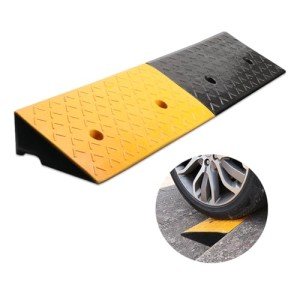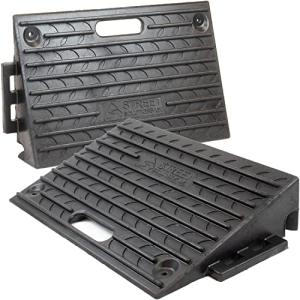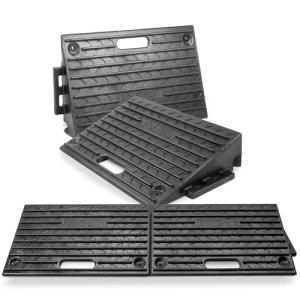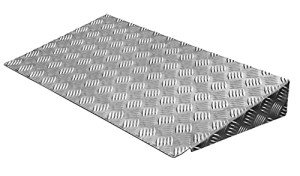





For individuals relying on mobility scooters, power chairs, or wheelchairs, a seemingly minor architectural feature like a four-inch step can represent a significant obstacle. Whether it is a doorway threshold, a curb at the end of a driveway, or a single step leading into a home, these barriers restrict independence and pose safety risks. The 4-inch rubber mobility scooter threshold ramp has emerged as one of the most reliable and cost-effective solutions for creating a seamless transition between different elevations.
This guide provides an in-depth exploration of the features, benefits, and technical specifications of rubber threshold ramps, explaining why they are a preferred choice for residential and commercial accessibility.
Understanding the Necessity of a 4-Inch Threshold Ramp
In the world of accessibility, the "threshold" is the transition point between two floor surfaces or an indoor and outdoor space. While modern construction often aims for "flush" entries, many older homes and public buildings feature steps that measure approximately four inches.
A mobility scooter, while powerful, is not designed to "climb" vertical lips. Attempting to navigate a four-inch rise without a ramp can lead to several negative outcomes:
- Mechanical Damage: The underside of the scooter or the motor housing can bottom out, leading to expensive repairs.
- Safety Hazards: The scooter may tip backward or forward if the center of gravity is displaced.
- Physical Strain: Caregivers who attempt to tilt or lift a scooter over a step face a high risk of back and shoulder injuries.
The 4-inch rubber ramp eliminates these risks by providing a gradual incline that allows the wheels to roll smoothly from one level to the next.
Why Rubber? The Science of Material Selection
When selecting a ramp, consumers generally choose between aluminum, wood, and rubber. For permanent or semi-permanent threshold applications, heavy-duty recycled rubber is frequently the superior choice.
Key Benefits of Rubber Construction
- Superior Traction: Rubber naturally offers a high coefficient of friction. Even when wet, the surface provides the grip necessary for scooter tires to maintain momentum without slipping.
- Durability and Weight Capacity: These ramps are usually solid-core, meaning they do not hollow out or "dent" like thin aluminum. Most 4-inch rubber ramps can support anywhere from 1,500 to 20,000 lbs, making them suitable for heavy industrial equipment as well as mobility aids.
- Weather Resistance: Rubber is impervious to rust, corrosion, and extreme temperature fluctuations. It does not freeze or become brittle in winter, nor does it warp in the summer sun.
- Sound Dampening: Unlike metal ramps, which can create a loud "clanging" sound when driven over, rubber absorbs vibration and noise, making for a quieter transition.
Technical Specifications and Dimensions
A standard 4-inch rubber threshold ramp is engineered with specific dimensions to ensure it meets safety standards (often inspired by ADA guidelines, though residential ramps have more flexibility).
Table 1: Typical Specifications for a 4-inch Rubber Ramp
| Feature | Specification |
|---|---|
| Height | 4 Inches (approx. 100mm) |
| Width | 36 to 48 Inches (Standard doorway width) |
| Depth (Length of Incline) | 24 to 36 Inches (Provides the slope ratio) |
| Material | High-density Recycled SBR Rubber |
| Weight Capacity | 1,500 lbs - 3,000 lbs (Residential standard) |
| Weight of Ramp | 40 lbs - 70 lbs (Heavy enough to stay in place) |
| Surface Pattern | Grooved or Diamond-Tread for drainage |
Design Features for Maximum Safety
Modern rubber ramps are not merely blocks of material; they are precision-engineered tools designed for safety.
1. Tapered Side Edges
Many 4-inch ramps feature "beveled" or tapered sides. This allows a mobility scooter to approach the ramp from an angle without catching a sharp corner. It also prevents pedestrians from tripping if they approach the ramp from the side.
2. Built-in Drainage Channels
For outdoor use, water accumulation is a concern. High-quality rubber ramps feature molded channels on the underside or grooves on the surface. These channels allow water to flow underneath or off the side of the ramp, preventing puddles and ice buildup.
3. Ability to Trim
One of the unique advantages of rubber is that it can be modified. If a threshold is exactly 3.75 inches instead of 4, a heavy-duty saw or utility knife can be used to trim the rubber for a custom fit.
Comparing Rubber to Other Materials
To understand why the rubber ramp is a staple in the mobility industry, it is helpful to compare it to other common alternatives.
Table 2: Material Comparison Matrix
| Feature | Rubber Ramp | Aluminum Ramp | Wood (DIY) |
|---|---|---|---|
| Installation Ease | Extremely Easy (Drop-in) | Moderate (Usually requires screws) | Difficult (Requires construction) |
| Maintenance | Zero | Low | High (Staining/Sealing) |
| Slip Resistance | Excellent | Good (if texturized) | Poor when wet |
| Portability | Heavy (Semi-permanent) | Lightweight | Not portable |
| Price Point | Moderate | High | Low (Materials only) |
| Noise Level | Silent | Loud/Metallic | Thumping |
Installation and Maintenance
The installation of a 4-inch rubber ramp is one of its most attractive features for homeowners. Unlike modular aluminum systems that may require bolting into the concrete, a heavy rubber ramp often stays in place through its own weight and the "grip" of the rubber against the ground.
Installation Steps:
- Clean the Area: Ensure the ground where the ramp will sit is free of debris, rocks, and oil.
- Alignment: Position the ramp flush against the threshold. Ensure there is no gap between the ramp’s top edge and the doorway lip.
- Adhesion (Optional): If the ramp is in a high-traffic commercial area, industrial-grade adhesive or caulking can be applied to the bottom to prevent "walking" (slight movements over time).
- Testing: Slowly drive the mobility scooter over the ramp to ensure there is no rocking or shifting.
Maintenance Tips:
- Cleaning: Simply hose the ramp down with water. For stubborn dirt, a mild soap and a scrub brush are sufficient. Avoid using oil-based cleaners, as they can make the rubber slippery.
- Inspection: Periodically check that the ramp hasn't shifted away from the threshold.
Frequently Asked Questions (FAQ)
1. Is a 4-inch rise too steep for a mobility scooter?
In a commercial setting, the ADA recommends a 1:12 slope (1 inch of rise for every 12 inches of length). This would require a 4-foot long ramp for a 4-inch step. However, for residential use and private scooters, a more compact "threshold ramp" (usually 2 to 3 feet long) is often sufficient, as most scooters can handle a slightly steeper grade over a short distance.
2. Can these ramps be used for cars or vans?
While many 4-inch rubber ramps are rated for high weight capacities (some up to 10 tons), it is essential to check the manufacturer's rating. "Curb ramps" are specifically designed for vehicles, whereas "threshold ramps" are generally optimized for mobility aids and foot traffic.
3. Will the rubber smell?
New rubber products can have a "new tire" smell initially. If used outdoors, this dissipates within a few days. For indoor use, it is recommended to let the ramp air out in a garage or yard for 48 hours before installation.
4. Can the ramp be used on carpet?
Yes, rubber ramps can be placed over low-pile commercial carpet. On thick, plush residential carpet, the ramp may have a slight "bounce," so users should ensure the ramp is stable before use.
The 4-inch rubber mobility scooter threshold ramp is more than just a piece of equipment; it is a gateway to freedom and safety. By providing a durable, slip-resistant, and easy-to-install transition, it allows individuals with limited mobility to navigate their environments with confidence. When compared to the costs and hazards associated with ignoring a threshold barrier, the investment in a high-quality rubber ramp is a clear choice for any caregiver or homeowner seeking to improve accessibility.