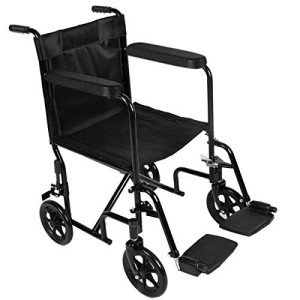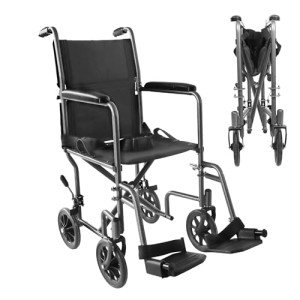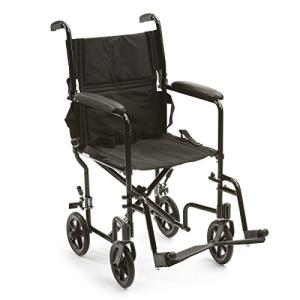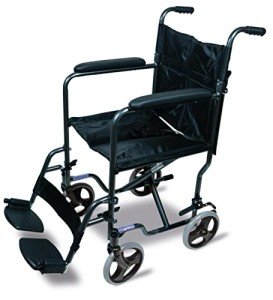





For individuals with limited mobility and their caregivers, selecting the right equipment is not merely a matter of convenience; it is a fundamental component of maintaining independence and quality of life. Among the various solutions available on the market, the Aidapt Lightweight Folding Attendant Propelled Wheelchair (often categorized as a transit wheelchair) has emerged as a popular choice for those seeking a balance between structural durability and ease of transport.
This detailed guide explores the features, technical specifications, and practical benefits of this Aidapt model, providing an in-depth look at why it remains a staple in the mobility aid industry.
Understanding the Attendant Propelled Design
Before diving into the specific features of the Aidapt model, it is essential to distinguish between the two primary types of manual wheelchairs: self-propelled and attendant propelled.
The Aidapt Lightweight Folding Wheelchair falls into the "attendant propelled" (or transit) category. This means the rear wheels are significantly smaller than those on a self-propelled model. This design is specifically intended for users who are unable to propel themselves and require a companion or caregiver to push the chair. The primary advantage of this configuration is the reduced overall weight and the more compact footprint, making it significantly easier to navigate through tight indoor spaces or store in a vehicle.
Key Features and Design Innovation
The Aidapt brand has built a reputation for creating healthcare solutions that prioritize the user’s comfort without compromising the caregiver's ease of use. The Lightweight Folding model incorporates several design elements that set it apart from standard budget wheelchairs.
1. The Lightweight Aluminum Frame
The core of the wheelchair is its high-grade aluminum frame. While traditional steel wheelchairs can be cumbersome and prone to rust, aluminum offers a high strength-to-weight ratio. This ensures that the chair is robust enough to support daily use while remaining light enough for a caregiver to lift into a car boot or carry up a short flight of stairs.
2. Compact Folding Mechanism
One of the most praised features of this model is its portability. The wheelchair utilizes a cross-brace folding system. Additionally, the Aidapt model features a half-folding backrest. By pressing a lever, the top half of the backrest folds down, significantly reducing the vertical height of the chair when collapsed.
3. Enhanced Safety Systems
Safety is paramount in any mobility aid. The Aidapt Lightweight Wheelchair is equipped with two sets of brakes.
- Parking Brakes: Located on the rear wheels, these allow the user or attendant to secure the chair during transfers or when stationary.
- Companion Brakes: Found on the push handles, these allow the attendant to control the speed of the chair when navigating slopes or declines, providing peace of mind in outdoor environments.
4. User Comfort and Ergonomics
The chair features padded upholstery that is designed to be both comfortable for the user and easy to clean. To assist with transfers in and out of the chair, the model includes swing-away footrests. These can be moved to the side or removed entirely, allowing the user to stand up without tripping over the footplates.
Technical Specifications at a Glance
For many buyers, the decision comes down to the dimensions and weight capacity. The table below outlines the critical numbers associated with the standard Aidapt Lightweight Folding Attendant Propelled Wheelchair.
Table 1: Technical Specifications
| Feature | Specification |
|---|---|
| Frame Material | Lightweight Aluminum |
| Total Weight | Approx. 11kg - 13kg (varies by seat width) |
| Maximum User Weight | 115kg (approx. 18 stone) |
| Seat Width | 46cm (18 inches) / 48cm (19 inches) |
| Front Wheel Type | Solid puncture-proof (approx. 8 inches) |
| Rear Wheel Type | Solid puncture-proof (approx. 12 inches) |
| Backrest Style | Half-folding |
| Brake System | Dual (Attendant and Parking) |
| Color Options | Typically available in Silver, Red, or Blue |
The Practical Benefits: Who Is This Wheelchair For?
The Aidapt Lightweight Folding Wheelchair is designed for versatility. However, it is particularly well-suited for specific scenarios and user groups.
Ideal for Travel and Outings
Because the chair folds into a compact shape, it is an excellent choice for families who enjoy day trips. It fits easily into the trunk of most small-to-medium-sized cars. Since the tires are solid and puncture-proof, there is no risk of a flat tire while exploring parks, shopping centers, or tourist attractions.
Post-Operative Recovery
For individuals recovering from surgery (such as hip or knee replacements) who may only require a mobility aid for a few months, this chair provides a cost-effective and reliable solution. Its ease of use ensures that family members can assist the patient with minimal physical strain.
Indoor and Home Use
With its narrow profile, the Aidapt model excels in indoor environments. It can navigate through standard household doorways and around furniture more easily than larger, heavier self-propelled models.
Pros and Cons of the Aidapt Lightweight Model
To provide a neutral overview, it is helpful to weigh the advantages against the limitations of this specific design.
Advantages (Pros)
- Ease of Transportation: The aluminum frame and folding backrest make it one of the most portable options in its class.
- Low Maintenance: Puncture-proof tires eliminate the need for an air pump or the worry of punctures.
- Attendant Control: The hand-operated brakes on the handles provide excellent control for caregivers, especially on hills.
- Quick Assembly: Most units come almost fully assembled, requiring only the footrests to be slotted into place.
Limitations (Cons)
- Requires an Attendant: As the rear wheels are small, the user cannot move the chair independently.
- Comfort for Long Durations: While the padding is sufficient for short trips, users spending 8+ hours a day in the chair may require additional pressure-relief cushions.
- Terrain Limitations: While great for pavements and flat surfaces, the small wheels can struggle on very soft grass or deep gravel.
Maintenance and Care Tips
To ensure the longevity of the Aidapt wheelchair, a simple maintenance routine should be followed.
- Regular Cleaning: Wipe down the aluminum frame with a damp cloth and mild detergent to prevent the buildup of dirt and grime.
- Upholstery Care: The fabric can be cleaned with a soft brush or upholstery cleaner. Ensure it is completely dry before folding the chair to prevent mildew.
- Check the Brakes: Periodically test both the parking brakes and the attendant brakes to ensure they grip the tires firmly.
- Lubricate Moving Parts: A small amount of silicone lubricant applied to the folding joints and wheel axles once every few months will keep the mechanism smooth.
- Inspect Fixings: Check periodically that all nuts and bolts remain tight, especially after heavy use on uneven surfaces.
Frequently Asked Questions (FAQ)
1. How heavy is the wheelchair to lift?
The Aidapt Lightweight model typically weighs between 11kg and 13kg. While this is significantly lighter than a standard 20kg steel wheelchair, caregivers should still use proper lifting techniques when placing it in a vehicle.
2. Can the footrests be adjusted for height?
Yes, the footrests are usually height-adjustable to accommodate different leg lengths. This ensures that the user's knees are at a comfortable 90-degree angle, preventing pressure on the thighs.
3. Does the wheelchair come with a seatbelt?
Most current models of the Aidapt Lightweight Wheelchair include a lap belt for added safety, though it is always best to verify the specific internal components with the retailer.
4. Is the chair suitable for use on public transport?
Yes, its compact size makes it suitable for buses and trains that have designated wheelchair spaces. Its folding nature also makes it easier to store in luggage racks if necessary.
5. What is the maximum weight capacity?
The standard model supports up to 115kg (18 stone). For users exceeding this weight, Aidapt offers "Heavy Duty" or "Bariatric" versions of their wheelchairs that feature reinforced frames.
Final Thoughts
The Aidapt Lightweight Folding Attendant Propelled Wheelchair represents a thoughtful intersection of engineering and empathy. By focusing on the needs of both the occupant and the attendant, Aidapt has created a tool that facilitates movement rather than hindering it.
Its standout features—the half-folding backrest, the attendant brakes, and the lightweight aluminum construction—make it a top-tier choice for transit mobility. Whether it is used for a quick trip to the doctor, a stroll through a shopping mall, or as a temporary recovery aid, this wheelchair offers a reliable, durable, and user-friendly experience that helps keep the world accessible for everyone.