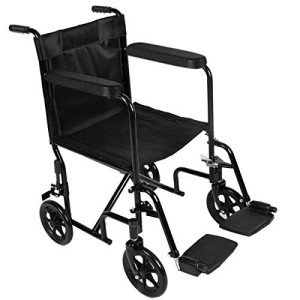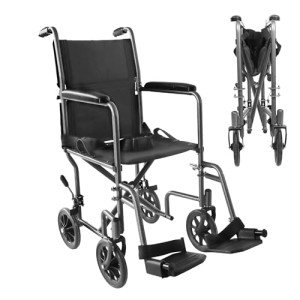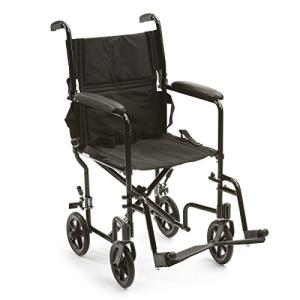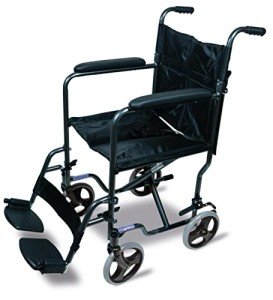





For individuals with mobility challenges, the traditional wheelchair is a vital tool for daily life. However, standard wheelchairs are often designed with smooth, flat surfaces in mind—mall floors, paved sidewalks, and office buildings. When the pavement ends and the grass, sand, or gravel begins, many users find themselves sidelined.
The emergence of the All-Terrain Mini Wheelchair has revolutionized outdoor accessibility. By combining a compact footprint with heavy-duty engineering, these devices allow both children and adults to navigate environments that were once considered off-limits. This post explores the features, benefits, and technical specifications of mini all-terrain mobility solutions.
What is an All-Terrain Mini Wheelchair?
An all-terrain mini wheelchair is a specialized mobility device engineered to handle rugged surfaces while maintaining a smaller, more maneuverable frame. Unlike bulky outdoor power chairs, the "mini" designation refers to a compact chassis that is easier to transport, store, and navigate through tight woodland trails or narrow garden paths.
These chairs are typically equipped with high-traction tires, robust suspension systems, and reinforced frames. While they are a staple for active children, they are increasingly popular among adults who require a smaller profile for specific outdoor activities like hunting, beach excursions, or light hiking.
Key Components of All-Terrain Models
- High-Flotation Tires: Large, air-filled tires (similar to mountain bike tires) or balloon tires for sand.
- Enhanced Suspension: Heavy-duty shocks that absorb the impact of rocks and roots.
- Corrosion-Resistant Frames: Often made from aircraft-grade aluminum or titanium to prevent rust from salt and mud.
- Specialized Seating: Ergonomic support designed to keep the user stable even when the chair is tilted on uneven ground.
Technical Specifications: Standard vs. All-Terrain Mini
To understand the value of these chairs, it is helpful to compare them to standard manual or power wheelchairs.
| Feature | Standard Wheelchair | All-Terrain Mini Wheelchair |
|---|---|---|
| Tire Type | Thin, solid rubber | Deep-tread pneumatic or balloon |
| Ground Clearance | 1–2 inches | 3–6 inches |
| Frame Material | Steel or Aluminum | Reinforced Titanium or Aviation Aluminum |
| Weight Capacity | 250 lbs (Standard) | 150–350 lbs (Varies by model) |
| Suspension | None or Basic | Full-body shocks or leaf springs |
| Best Terrain | Indoor/Pavement | Mud, Sand, Gravel, Snow, Grass |
| Width | 24–28 inches | 20–26 inches (Compact frames) |
Why "Mini" Matters: Benefits for Kids and Adults
The transition to a "mini" all-terrain model offers specific advantages that bridge the gap between heavy machinery and portable mobility.
For Children: Inclusion and Development
For children, the ability to join their peers on a playground or a school nature walk is crucial for social and psychological development.
- Active Play: Many mini models are designed to be "growth-adjustable," meaning the frame can expand as the child grows.
- Independence: Children learn to navigate obstacles on their own, boosting confidence.
- Peer Interaction: Being at eye level with friends on a hiking trail or at the beach reduces the feeling of being "different."
For Adults: Portability and Agility
Not every adult requires a full-sized, heavy all-terrain vehicle. The mini versions are ideal for:
- Travel: Compact frames are easier to fit into SUVs or travel trailers without needing specialized lifts.
- Tight Spaces: Many nature trails have narrow bridges or tight turns where a full-sized outdoor chair would get stuck.
- Lightweight Maneuverability: For users with some upper body strength, a manual all-terrain mini allows for a more athletic experience than a heavy electric model.
Types of All-Terrain Mini Wheelchairs
There is no one-size-fits-all solution for outdoor mobility. The market generally categorizes these chairs into three main types:
1. Manual Off-Road Chairs
These are lightweight and rely on the user (or an assistant) for propulsion. They often feature a "tri-cycle" design with a single large wheel in front to prevent digging into soft dirt.
- Best For: Beaches, parks, and maintained hiking trails.
2. Power-Assisted Mini Chairs
These models look like manual chairs but have integrated motors in the hubs. They provide an extra "push" when the user encounters steep inclines or thick grass.
- Best For: Long excursions where fatigue is a concern.
3. Tracked "Mini" Mobility Chairs
Instead of wheels, these chairs use tracks similar to a tank. While many tracked chairs are very large, the "mini" versions are narrowed down for residential use and narrow wooded paths.
- Best For: Deep snow, thick mud, and extreme inclines.
Essential Features to Consider
When selecting an all-terrain mini wheelchair, several factors must be evaluated to ensure the device meets the user's specific environmental needs.
Terrain Compatibility
- Sand: Requires wide, "balloon" style tires to prevent sinking.
- Forestry: Requires puncture-proof tires and high ground clearance to move over fallen branches.
- Urban Obstacles: Needs the ability to climb curbs and navigate cobblestones comfortably.
Battery Life (For Power Models)
If the chair is electric, the battery must be rated for outdoor temperatures. Lithium-ion batteries are preferred for their weight-to-power ratio, allowing the "mini" frame to remain light.
Customization and Accessories
Lists of common accessories include:
- Storage Bags: For carrying water, tools, or medical supplies.
- Lighting Kits: Essential for evening trail rides.
- Fishing/Umbrella Holders: For hobbyists who spend long hours outdoors.
- Chest Straps/Harnesses: Critical for safety when navigating steep descents.
Maintenance and Safety Tips
Owning an all-terrain device requires more diligence than a standard wheelchair. Because these chairs are exposed to the elements, a routine maintenance schedule is necessary.
- Cleanliness: After a trip to the beach or a muddy park, wash the frame with fresh water. Saltwater is particularly corrosive to metal joints.
- Tire Pressure: Check PSI levels before every outing. Lower pressure can help with traction in sand, while higher pressure is better for gravel.
- Bearing Inspection: Ensure that the axle bearings are free of grit and hair, which can cause friction and damage.
- Safety Check: Always ensure the anti-tip bars are engaged before attempting a steep hill.
Comparison of Top Small-Scale All-Terrain Categories
| Category | Typical Weight | Terrain Rating | Portability |
|---|---|---|---|
| Beach Mini | 30–50 lbs | Excellent (Sand/Water) | High (Collapsible) |
| Mountain Mini | 40–60 lbs | Excellent (Rock/Dirt) | Medium (Fixed Frame) |
| Electric Mini | 100–180 lbs | Good (Grass/Gravel) | Low (Requires Ramp) |
The All-Terrain Mini Wheelchair represents a significant leap forward in universal design. By focusing on a compact footprint without sacrificing durability, manufacturers have opened up a world of possibilities for adventurous children and adults alike. Whether it is a child’s first trip to a national park or an adult’s return to a favorite fishing hole, these chairs prove that mobility limitations do not have to mean staying indoors.
Frequently Asked Questions (FAQ)
1. Can an all-terrain mini wheelchair be used indoors?
While they can be used indoors, the wide, high-traction tires often track in more dirt and may be wider than standard indoor wheels, making tight doorways a challenge. Many users keep a standard chair for home use and an all-terrain chair for excursions.
2. Are these chairs covered by insurance?
Generally, insurance companies (including Medicare) prioritize "medical necessity" for daily indoor living. Since all-terrain chairs are often viewed as recreational, coverage can be difficult to obtain. However, grants and non-profits often help families fund these devices.
3. How do you transport a mini all-terrain chair?
Manual mini models are often foldable or have quick-release wheels, allowing them to fit in most trunks. Electric or tracked models typically require a vehicle with a lift or a ramp due to their weight.
4. Are they difficult to push if they are manual?
On flat ground, they are usually easier to push than standard chairs because of the high-quality bearings and large wheels. However, in soft sand or deep mud, a manual chair can be strenuous to propel without an assistant.
5. What age can a child start using a mini all-terrain chair?
Some models are designed for children as young as 2 or 3 years old. These often feature "growth kits" that allow the seat width and depth to be adjusted as the child grows into their teenage years.