




In the realm of architectural accessibility, few challenges are as ubiquitous as the doorway threshold. While a small lip of 8cm might seem insignificant to an able-bodied person, it can represent a formidable barrier for individuals using wheelchairs, mobility scooters, or walking frames. The 8cm aluminium threshold ramp serves as a critical bridge, transforming an obstacle into a smooth transition. This guide explores the utility, design, and benefits of these essential accessibility tools.
Understanding the Necessity of Threshold Ramps
Thresholds are traditionally designed to prevent water ingress and provide a seal for doors. However, these structural requirements often conflict with the needs of those with limited mobility. An 8cm rise is high enough to catch the small front wheels of a wheelchair or cause a significant tripping hazard for those with limited lifting ability in their legs.
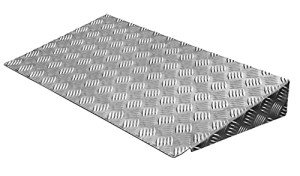
The 10cm-to-8cm range is particularly common in modern residential architecture, especially at patio doors and entryways with weather-stripping. An aluminium threshold ramp specifically designed for this height provides a stable, inclined surface that allows for safe passage.
Key Features of Aluminium Construction
Aluminium remains the premier choice for threshold ramps due to its unique physical properties. Manufacturers prefer this material because it balances strength and weight more effectively than steel or plastic.
Durability and Weather Resistance
Unlike steel, which is prone to oxidization and rust, aluminium naturally forms a protective oxide layer. This makes the 8cm threshold ramp suitable for both indoor and outdoor applications. Whether exposed to coastal salt air or heavy rainfall, the integrity of the ramp remains uncompromised over years of use.
Weight Capacity to Portability Ratio
High-grade aluminium provides the structural rigidity required to support significant weight loads—often up to 300kg or more—while remaining light enough for a single person to relocate or move during cleaning.
Non-Slip Surface Architecture
Safety is the paramount concern in the design of threshold ramps. Most aluminium models feature:
- Anodized finishes: To prevent corrosion.
- Punched Hole Patterns: To allow drainage and provide physical "teeth" for tyre grip.
- Extruded Ridges: Linear grooves that increase friction between the ramp and the wheels or shoes.
Technical Specifications: 8cm Aluminium Threshold Ramp
When selecting a ramp, understanding the dimensions and capacities is vital for ensuring it fits the specific doorway.
Typical Product Specifications Table
| Feature | Specification Details |
|---|---|
| Rise Height | 80mm (8cm) |
| Material Grade | Aerospace or Structural Grade Aluminium |
| Standard Widths | 700mm to 900mm |
| Weight Capacity | 250kg - 400kg (Model dependent) |
| Surface Finish | Anti-slip serrated or grit-coated |
| Installation Type | Free-standing or Fixed (pre-drilled holes) |
| Weight of Ramp | Approx. 3kg to 5kg |
Benefits of Using an 8cm Aluminium Ramp
Integrating a threshold ramp into a home or business provides several advantages that extend beyond simple mobility.
1. Enhanced Safety
The most immediate benefit is the reduction of fall risks. By eliminating the "lip" of a doorway, the risk of tripping is significantly lowered. For wheelchair users, it prevents the sudden jolt that can lead to falling forward out of the chair.
2. Preserving Doorway Integrity
Manually lifting heavy mobility equipment over a threshold can damage the door frame, the weather seals, and the flooring. A ramp ensures that weight is distributed across its surface, protecting the underlying structure.
3. Independence and Autonomy
For individuals with disabilities, the ability to move between rooms or transition from the house to the garden without assistance is vital for mental well-being and independence.
4. Versatility of Application
These ramps are not limited to wheelchairs. They assist with:
- Baby strollers and prams.
- Shopping trolleys and suitcases.
- Hospital beds and gurneys in clinical settings.
- Delivery dollies for couriers.
Comparing Materials: Why Aluminium?
When searching for a threshold solution, users often encounter rubber or plastic alternatives. The following table highlights why aluminium is frequently the preferred choice for an 8cm rise.
Material Comparison Table
| Feature | Aluminium Ramp | Rubber Ramp | Plastic/Composite Ramp |
|---|---|---|---|
| Weight | Very Lightweight | Extremely Heavy | Lightweight |
| Durability | High (Lifetime) | Medium (Can perish) | Medium (Can crack) |
| Aesthetic | Sleek/Industrial | Bulky/Black | Varied |
| Customization | Can be trimmed | Hard to modify | Not modifiable |
| Drainage | Excellent (if punched) | Poor (Water pools) | Fair |
| Odor | Odorless | Strong rubber smell | Odorless |
Installation and Maintenance
The 8cm aluminium ramp is typically designed for "plug-and-play" use, but proper installation ensures maximum longevity and safety.
Installation Steps
- Clear the Area: Ensure the threshold is free of debris, stones, or loose carpeting.
- Alignment: Centrally align the ramp with the door opening. If the door swings outward, ensure the ramp does not interfere with the closing mechanism.
- Securing (Optional): Many ramps come with pre-drilled holes. For permanent installations in public buildings, it is advisable to screw the ramp into the floor. For residential use, a high-friction rubber backing or simple gravity is often sufficient.
Maintenance Recommendations
- Cleaning: Use a mild detergent and water. Avoid oily cleaners that could make the surface slippery.
- Inspection: Periodically check for any warping or loosening of screws if fixed to the floor.
- Clearance: Ensure the drainage holes are not clogged with leaves or dirt if used outdoors.
Compliance and Accessibility Standards
In many jurisdictions, commercial properties are legally required to provide "step-free" access. An 8cm aluminium threshold ramp can help businesses meet these regulatory standards (such as the ADA in the US or DDA in the UK). It is important to note that for commercial settings, the gradient (slope) of the ramp must meet specific codes, which may require a longer ramp length for an 8cm rise compared to a steeper "suitcase" style ramp.
Frequently Asked Questions (FAQ)
Is an 8cm ramp too steep for an electric wheelchair?
Most electric wheelchairs can handle a rise of 8cm over a standard ramp length. However, it is always recommended to check the manufacturer's manual for the wheelchair's maximum incline capability.
Can the ramp be used if there is a different height on either side of the door?
If the interior and exterior heights differ, you may require two separate ramps or a "bridge" style ramp. The 8cm ramp is designed specifically for a single-step rise.
Will the aluminium scratch my flooring?
Many aluminium threshold ramps feature a smooth underside or can be fitted with a thin rubber strip to prevent scratching on delicate surfaces like hardwood or polished tile.
Can the ramp be used outdoors in the snow?
Yes, aluminium is resistant to freezing temperatures. However, users should ensure the anti-slip surface is clear of ice. Salt can be used on aluminium, though it should be rinsed off eventually to prevent long-term surface pitting.
How do I know if I need exactly an 8cm ramp?
Measurement is key. Measure the vertical height from the ground to the highest point of the threshold. If the measurement is between 7.5cm and 8.5cm, an 8cm ramp is usually the most appropriate fit.
The 8cm aluminium threshold ramp is a simple yet transformative tool in the world of mobility. By choosing aluminium, users benefit from a product that is lightweight, incredibly strong, and capable of withstanding the elements. Whether for a private residence looking to improve safety for an aging family member or a business striving for inclusivity, this ramp provides a reliable, cost-effective, and durable solution to one of architecture's most common obstacles. Investing in a high-quality threshold ramp is not just about meeting a physical requirement; it is about facilitating a life without barriers.