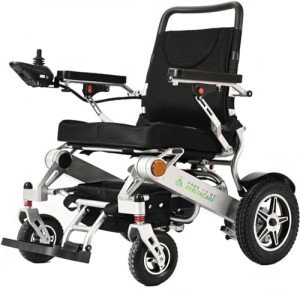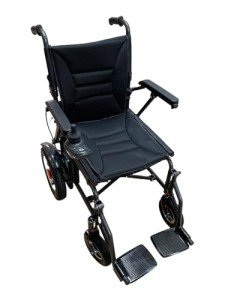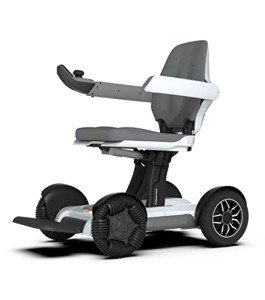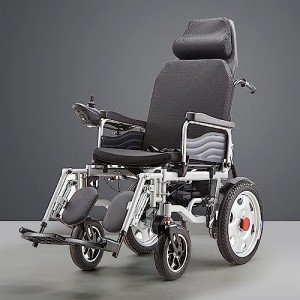

The landscape of personal mobility has undergone a radical transformation over the last decade. For individuals with limited mobility, the transition from heavy, cumbersome manual wheelchairs to motorized versions was a significant leap forward. However, the newest frontier in this evolution is the compact electric wheelchair featuring an automatic folding design. These devices are not merely tools for transportation; they are sophisticated pieces of engineering designed to restore independence, facilitate travel, and fit seamlessly into a modern, active lifestyle.
This guide explores the technical nuances, practical benefits, and essential considerations of automatic folding electric wheelchairs, providing a comprehensive guide for users, caregivers, and healthcare professionals.
What is an Automatic Folding Electric Wheelchair?
At its core, an automatic folding electric wheelchair is a power-driven mobility aid equipped with an internal motorized mechanism that allows the frame to collapse or expand at the touch of a button. Unlike traditional power chairs that require disassembly or manual folding—often necessitating significant physical strength—the automatic folding model utilizes a remote control or a switch located on the chassis to complete the process in seconds.
The Mechanism of Action
Most models utilize a linear actuator or a small secondary motor dedicated specifically to the folding process. When triggered, the scissors-style frame retracts, bringing the wheels and seat together into a compact, luggage-like shape. This design typically utilizes lightweight materials such as aircraft-grade aluminum or carbon fiber to ensure that the device remains portable without sacrificing structural integrity.
Key Benefits of Compact Automatic Designs
The move toward compact, auto-folding technology addresses several pain points traditionally associated with motorized mobility.
1. Unmatched Portability
The primary advantage is the ease with which these chairs can be transported. When folded, many of these wheelchairs occupy a footprint no larger than a medium-sized suitcase. This makes them ideal for:
- Small car trunks.
- Public transportation (buses and trains).
- Cruise ship cabins.
- Storage in small apartments.
2. Enhanced Independence
For many users, the inability to manually fold a heavy wheelchair creates a dependency on a companion or caregiver. The automatic folding feature empowers the user to manage their equipment independently, fostering a sense of autonomy and reducing the logistical barriers to leaving the house.
3. Travel-Friendly Features
Most compact electric wheelchairs are designed with international travel in mind. They often feature "dry cell" lithium-ion batteries that are compliant with airline safety regulations (typically under the 300Wh limit), allowing users to take their chairs directly to the gate.
Technical Specifications and Comparative Analysis
When choosing an automatic folding wheelchair, understanding the technical specifications is crucial. These metrics determine the chair's performance, range, and suitability for various environments.
Table 1: Typical Specifications for Compact Automatic Electric Wheelchairs
| Feature | Average Specification | Significance |
|---|---|---|
| Weight (without battery) | 50 lbs – 65 lbs | Determines ease of lifting into vehicles. |
| Weight Capacity | 250 lbs – 330 lbs | The maximum safe user weight. |
| Top Speed | 4 mph – 5 mph | Standard walking pace for safety and control. |
| Driving Range | 10 – 15 miles | Expected distance on a full charge. |
| Folding Time | 5 – 10 seconds | Speed of transition from use to storage. |
| Battery Type | Lithium-ion (24V) | Lightweight and faster charging than lead-acid. |
| Motor Type | Dual Brushless Motors | Efficient, quiet, and requires less maintenance. |
Comparing Mobility Solutions
To understand where automatic folding chairs fit in the market, it is helpful to compare them against other common mobility aids.
Table 2: Comparison of Wheelchair Categories
| Feature | Manual Wheelchair | Traditional Power Chair | Auto-Folding Electric Wheelchair |
|---|---|---|---|
| Motive Power | User/Caregiver | Battery/Motor | Battery/Motor |
| Folding Capability | Manual (Varies) | Rarely (Often Disassembles) | Automatic / One-Touch |
| Total Weight | 15 – 35 lbs | 150 – 300 lbs | 50 – 70 lbs |
| Transport Needs | Fits in most cars | Requires lift/van | Fits in most trunks |
| Primary Use | Short distances | Long-term/Heavy duty | Active lifestyle/Travel |
Essential Features to Consider
When evaluating different models of compact automatic wheelchairs, several features often distinguish high-quality engineering from entry-level products.
1. Control Systems and Joysticks
The joystick is the user's primary interface. Higher-end models offer 360-degree precision, adjustable speed settings, and horn functions. Many controllers can be mounted on either the left or right armrest to accommodate the user's preference.
2. Braking and Safety Features
- Electromagnetic Brakes: These automatically engage the moment the user releases the joystick, preventing the chair from rolling on inclines.
- Anti-Tip Wheels: Small rear-mounted wheels that prevent the chair from tipping backward when ascending slopes.
- Safety Belts: Standard inclusion for keeping the user secure over uneven terrain.
3. Comfort and Ergonomics
While compactness is the goal, comfort should not be ignored. Users should look for:
- Memory foam or breathable mesh seat cushions.
- Flip-up armrests for easier side transfers.
- Adjustable footrests to prevent leg fatigue.
Travel and Transportation Logistics
One of the most significant hurdles for mobility aid users is navigating the complexities of air and sea travel. Compact automatic wheelchairs are specifically designed to mitigate these challenges.
Airline Regulations
According to the FAA and IATA, lithium-ion batteries used in mobility devices must be declared. Most auto-folding chairs come with a "Travel Certificate."
- Battery Removal: Many models allow the battery to be popped out easily so the chair can be stowed in the hold while the battery is carried into the cabin.
- Gate Checking: Because of their compact size, many airlines allow these chairs to be "gate-checked," meaning the user can remain in their chair until they reach the aircraft door.
Cruise Ships and Trains
The narrow hallways of cruise ships and the tight aisles of trains are often navigable for compact electric wheelchairs. The ability to fold the chair automatically means it can be stored in a corner of a cabin or state-room, leaving the living area unobstructed.
Factors to Evaluate Before Purchase
Purchasing an electric wheelchair is a significant investment. Potential users should ask the following questions during their research:
- What is the primary terrain? Most compact chairs are designed for paved surfaces, malls, and indoors. If the user intends to travel over grass or gravel, a model with larger rear wheels and better suspension is necessary.
- What is the user's weight? It is essential to choose a chair where the user's weight is at least 10% below the maximum capacity to ensure the motor operates efficiently and the battery life is preserved.
- Can the user lift the chair? Even though it folds automatically, someone may still need to lift the 50-60 lb frame into a car trunk. If this is not possible, a small portable ramp or a trunk lift may be required.
List: Maintenance Best Practices
- Charge Regularly: Avoid letting the battery drain to 0%; charge it after every significant use.
- Inspect the Folding Joints: Periodically check for debris in the folding hinges to ensure smooth operation.
- Clean the Motors: Use a dry cloth to wipe down the motor housing to prevent dust buildup.
- Check Tire Pressure: If the model uses pneumatic tires, ensure they are at the recommended PSI for optimal battery range.
- Software Updates: Some modern controllers require occasional firmware updates via a technician.
Frequently Asked Questions (FAQ)
1. How long does the battery last on a single charge?
On average, a compact electric wheelchair will cover between 10 and 15 miles per charge. However, this depends on the user's weight, the incline of the terrain, and the age of the battery.
2. Can the wheelchair be pushed manually if the battery dies?
Yes, most models feature a "freewheel" or "manual" mode. By flipping a lever on the motors, the electromagnetic brakes are disengaged, allowing a companion to push the chair like a standard manual wheelchair.
3. Are automatic folding wheelchairs safe for outdoor use?
They are safe for most standard outdoor environments like sidewalks, parks, and ramps. However, due to their smaller wheels and lower ground clearance, they are not intended for rugged off-road use or very steep hiking trails.
4. Is it difficult to switch the joystick from right to left?
Most manufacturers design their controllers to be "plug-and-play." With a simple hex key and by unplugging the underside cable, the joystick can usually be moved to the opposite armrest in under five minutes.
5. Does insurance cover these types of wheelchairs?
This varies significantly by country and provider. In many cases, insurance companies may cover a "standard" electric wheelchair but might consider the "automatic folding" feature a luxury. It is recommended to check with your provider regarding "HCPCS codes" for portable power wheelchairs.
The compact electric wheelchair with an automatic folding design represents the perfect marriage of robotics and assistive technology. By removing the physical struggle of folding and transporting mobility equipment, these devices offer more than just movement—they offer the freedom to explore the world without limits. As battery technology improves and materials become even lighter, the automatic folding power chair will undoubtedly become the gold standard for individuals seeking to maintain an active, independent lifestyle.