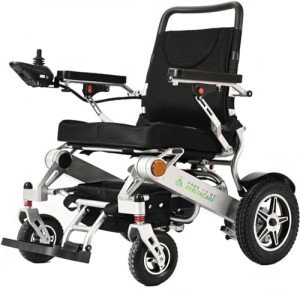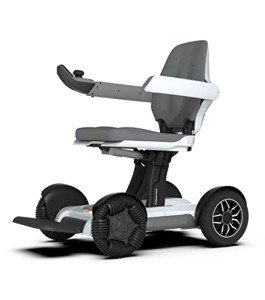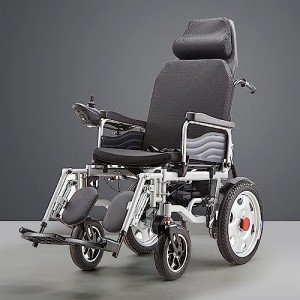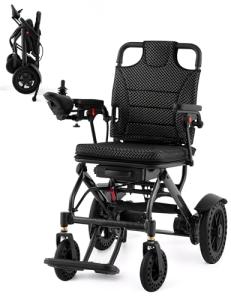


For individuals with mobility challenges, the quest for independence has historically been hindered by the physical limitations of their equipment. Traditional electric wheelchairs, while functional, were often bulky, required specialized vehicles for transport, and lacked the technological integration seen in other modern devices. However, the landscape of assistive technology has shifted dramatically. The emergence of the lightweight foldable electric wheelchair with remote control functionality represents a significant leap forward, blending engineering precision with user-centric innovation.
This guide explores the features, benefits, and technical considerations of these advanced mobility aids, providing a comprehensive overview for prospective users, caregivers, and healthcare providers.
The Shift Toward Portability and Convenience
The primary drawback of legacy power wheelchairs was their weight, often exceeding 200 pounds. This necessitated expensive modifications to vans and homes. Modern lightweight models, however, utilize aerospace-grade aluminum or magnesium alloys, bringing the total weight down to between 50 and 65 pounds.
The Power of Foldability
Beyond the reduction in weight, the folding mechanism is perhaps the most transformative feature. Most modern models utilize a "one-touch" or quick-release folding system that allows the chair to collapse into the size of a large suitcase in under five seconds. This capability eliminates the need for a dedicated lift system, as the chair can fit into the trunk of a standard sedan or even a compact hatchback.
Benefits of a Foldable Design:
- Ease of Travel: Can be checked in as luggage on airplanes or stored in train compartments.
- Compact Storage: Ideal for individuals living in apartments or assisted living facilities where space is at a premium.
- Multimodal Transport: Facilitates the use of taxis and ride-sharing services without prior notice.
Technical Specifications at a Glance
When selecting a mobility device, understanding the technical specifications is crucial for ensuring it meets the user's lifestyle needs. Below is a table summarizing the general specifications found in high-quality lightweight foldable models.
Table 1: General Specifications for Lightweight Foldable Electric Wheelchairs
| Feature | Standard Specifications |
|---|---|
| Frame Material | Aluminum Alloy or Magnesium Alloy |
| Total Weight (incl. battery) | 50 – 65 lbs (22 – 30 kg) |
| Weight Capacity | 265 – 330 lbs (120 – 150 kg) |
| Maximum Speed | 4 – 5 mph (6 – 8 km/h) |
| Driving Range | 10 – 15 miles per charge |
| Battery Type | Lithium-ion (Removable) |
| Motor Type | Dual Brushless Motors (200W - 250W each) |
| Braking System | Electromagnetic Braking |
| Turning Radius | 31 – 33 inches |
Innovation in Control: The Remote-Control Advantage
Perhaps the most exciting advancement in this category is the integration of remote-control technology. Managed via a dedicated handheld remote or a smartphone application, this feature provides a level of freedom previously unavailable.
Practical Applications of Remote Control
The remote-control feature is not merely a "gadget"; it serves several practical purposes:
- Repositioning: After a user transfers from the wheelchair to a bed, couch, or car seat, they can use the remote to move the chair to a corner or a charging station.
- Retrieval: When the user is ready to move again, they can call the chair back to their side without needing assistance from another person.
- Caregiver Assistance: Caregivers can guide the chair remotely in tight spaces or use it to move the chair while it is empty without having to push it manually.
- Assisted Parking: The chair can be "parked" in narrow hallways or storage areas where there isn't enough room for a person to maneuver while seated.
Comparative Analysis: Traditional vs. Lightweight Foldable
To understand the value proposition of these chairs, it is helpful to compare them directly against traditional heavy-duty power chairs.
Table 2: Comparison of Traditional vs. Lightweight Foldable Models
| Feature | Traditional Power Chair | Lightweight Foldable Chair |
|---|---|---|
| Portability | Requires ramp/lift and specialized van. | Folds to fit in standard car trunks. |
| Weight | 150 – 300+ lbs | 50 – 65 lbs |
| Battery Type | Lead-acid (Heavy) | Lithium-ion (Light & Airline Approved) |
| Turning Radius | Can be large and cumbersome. | Extremely tight, ideal for indoor use. |
| Terrain | Often better for off-road/grass. | Best for paved surfaces and indoor flooring. |
| Remote Control | Rarely standard. | Increasingly standard or available. |
Key Features to Consider Before Purchasing
While the lightweight nature and remote capabilities are attractive, several other factors contribute to the overall quality of the experience.
1. Battery Life and Charging
Lithium-ion batteries are standard in these models because they offer higher energy density and lower weight than lead-acid batteries. Many manufacturers design these batteries to be "airline friendly," meaning they meet certain Watt-hour (Wh) ratings set by international aviation authorities.
2. Motor Power and Efficiency
Brushless motors are the gold standard. They are quieter, more efficient, and require significantly less maintenance than brushed motors. Having dual motors (one for each rear wheel) allows for better traction and a tighter turning radius.
3. Safety Mechanisms
Safety should never be compromised for portability. Essential safety features include:
- Electromagnetic Brakes: These automatically engage as soon as the user releases the joystick, preventing the chair from rolling on inclines.
- Anti-Tip Wheels: Small rear wheels that prevent the chair from flipping backward on steep slopes.
- Solid Tires: To avoid punctures and ensure a smooth ride on flat surfaces.
4. Comfort and Ergonomics
Since users may spend several hours a day in the chair, the quality of the seat cushion and the breathability of the fabric are paramount. Many lightweight chairs feature "honeycomb" breathable mesh and memory foam padding.
Maintenance and Longevity
To ensure the longevity of a lightweight foldable electric wheelchair, a regular maintenance schedule should be followed.
- Battery Care: Avoid letting the battery drain to 0%. Recharging after every use or when the battery hits 20% can extend its lifespan.
- Cleaning: Use a damp cloth to wipe the frame. Avoid spraying water directly onto the joystick or the battery compartment.
- Fasteners: Periodically check that all bolts and screws are tight, as the vibrations of daily use can occasionally loosen them.
- Tire Inspection: Check for wear and tear. While most tires are solid and "flat-free," they can eventually develop flat spots or lose grip over several years of use.
The lightweight foldable electric wheelchair with remote control represents more than just a piece of medical equipment; it is a gateway to a more active and independent lifestyle. By combining the strength of modern materials with the convenience of smart technology, these devices remove the physical and logistical barriers that once made travel and daily errands a daunting task.
For those seeking a balance between the power of a traditional electric wheelchair and the portability of a manual one, these innovative models offer a compelling solution. As technology continues to advance, the integration of remote features and lightweight design will likely become the industry standard, further empowering individuals to navigate the world with confidence.
Frequently Asked Questions (FAQ)
1. Is the battery allowed on commercial airplanes?
Most lightweight foldable wheelchairs use lithium-ion batteries. While most are designed to meet the under-300Wh limit required by many airlines, it is essential to check the specific battery capacity of the model and confirm with the airline before traveling. Many chairs allow for the battery to be easily removed and carried into the cabin.
2. Can the chair be used manually if the battery dies?
Yes. Most models feature a "freewheel" or "manual" mode. By flipping a lever on the motors, the electromagnetic brakes are disengaged, allowing a caregiver to push the chair like a standard manual wheelchair.
3. How far can the remote control operate?
Typically, the remote control has a range of approximately 10 to 30 feet (3 to 10 meters) depending on the signal strength and obstacles. It is designed for line-of-sight operation to ensure safety.
4. What is the max weight capacity for these lightweight models?
While "lightweight" implies a smaller frame, most of these chairs are built with high-strength alloys that can support between 265 and 330 lbs (120 - 150 kg).
5. Are these chairs suitable for outdoor terrain?
These chairs excel on paved surfaces, sidewalks, indoor flooring, and light gravel. However, due to their smaller wheels and lightweight frame, they may not be suitable for heavy off-roading, deep sand, or thick mud.