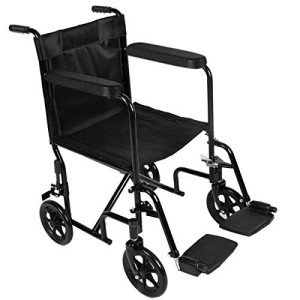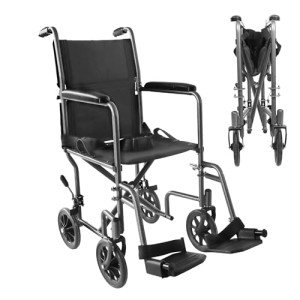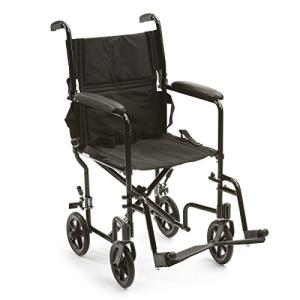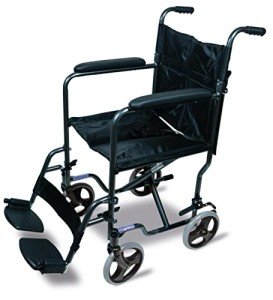





For individuals with limited mobility, a wheelchair is more than just a piece of equipment; it is a vital tool for independence and participation in daily life. However, when it comes to vehicular travel, safety requirements become significantly more complex. The demand for "crash tested" folding wheelchairs has grown as users look for a balance between the convenience of a portable, foldable frame and the rigorous safety standards required for use as a seat in a moving vehicle.
This guide explores the engineering, safety standards, and practical benefits of crash-tested folding wheelchairs, providing essential information for users, caregivers, and healthcare providers.
Understanding the "Crash Tested" Designation
The term "crash tested" is not merely a marketing buzzword; it refers to a specific set of rigorous engineering standards. A wheelchair that is crash-tested has been structurally designed and physically tested to withstand the forces of a vehicular impact—most commonly a frontal collision—while the user remains seated in the chair.
The Gold Standards: ISO 7176-19 and WC19
Two primary standards govern the safety of wheelchairs used as motor vehicle seats:
- ISO 7176-19: This is the international standard that specifies design requirements, testing methods, and performance requirements for wheelchairs intended for use as seats in motor vehicles.
- ANSI/RESNA WC19: This is the North American equivalent. A WC19-compliant wheelchair is designed to be used with a four-point, strap-type tie-down system and a three-point, crash-worthy lap and shoulder belt.
To meet these standards, a wheelchair is placed on a "sled" and subjected to a simulated 30 mph (48 kph) impact. The test monitors how the chair deforms, whether any parts break off, and how securely the occupant (represented by a crash-test dummy) is restrained.
Why Choose a Folding Crash-Tested Wheelchair?
Historically, many crash-tested wheelchairs were rigid-frame models, which were thought to provide superior structural integrity. However, advancements in metallurgy and design have allowed manufacturers to produce folding wheelchairs that meet these same high safety standards.
Key Benefits of the Folding Design
- Portability: Folding chairs are significantly easier to store in the trunk of a standard car or in the holds of airplanes.
- Versatility: They are ideal for users who frequently transition between different modes of transport, such as taxis, buses, and private vehicles.
- Weight Management: Modern materials like lightweight aluminum and titanium allow these chairs to remain manageable for caregivers while maintaining the strength required for crash safety.
- Space Saving: For individuals living in smaller apartments or using smaller vehicles, the ability to collapse the frame is a major logistical advantage.
Essential Safety Features to Look For
When selecting a crash-tested folding wheelchair, certain features are non-negotiable. These components ensure that the chair remains stable during transport and protects the user during an accident.
1. Integrated Securement Points
Crash-tested chairs are equipped with clearly labeled "transit lugs" or securement points. These are reinforced brackets, usually color-coded or marked with a hook symbol, where the vehicle's tie-down straps are attached.
2. Reinforced Frame and Hinges
A folding chair relies on a cross-brace (an "X" shaped frame) to collapse. In a crash-tested model, this hinge and the surrounding frame are reinforced to prevent the chair from "pancaking" or collapsing under the extreme G-forces of an impact.
3. Pelvic Belts and Headrests
While the vehicle will have its own restraint system, many crash-tested chairs come with integrated pelvic belts designed to keep the user’s hips in place. Additionally, for users with limited trunk and neck control, a crash-tested headrest is often required to prevent whiplash-style injuries.
Comparing Wheelchair Types and Travel Standards
The following table outlines the differences between standard folding wheelchairs and those designed specifically for safe vehicle travel.
| Feature | Standard Folding Wheelchair | Crash Tested (ISO 7176-19) | Transit-Ready Folding Chair |
|---|---|---|---|
| Primary Goal | Mobility & Storage | Occupant Safety in Transit | Enhanced Stability & Portability |
| Frame Material | Basic Steel/Aluminum | Reinforced High-Grade Alloys | Reinforced High-Grade Alloys |
| Securement Points | Usually None | Mandatory (Four Points) | Mandatory (Four Points) |
| Crash Test Rating | Not Rated | Passed 30mph/20g Sled Test | Passed 30mph/20g Sled Test |
| Occupant Restraint | Not Integrated | Compatible with 3-Point Belts | Compatible with 3-Point Belts |
| Weight | Very Light | Moderate (due to reinforcement) | Moderate |
Best Practices for Safe Transportation
Owning a crash-tested wheelchair is only half the battle; it must be used correctly for the safety ratings to hold true.
The Role of WTORS
The Wheelchair Tie-down and Occupant Restraint System (WTORS) is the equipment used in the vehicle to secure the chair. For a folding wheelchair, the process generally involves:
- Securing the Chair: Using a four-point strap system attached to the reinforced transit lugs of the chair.
- Securing the Occupant: Using a separate three-point lap and shoulder belt. The lap belt should be positioned low across the pelvis, and the shoulder belt across the center of the chest and shoulder.
Crucial Safety Checkpoints
- Remove Accessories: Lap trays, oxygen tanks, and other detachable accessories should be removed and secured separately in the vehicle, as they can become dangerous projectiles during a crash.
- Check the Label: Look for the "hook" symbol or a label stating the chair meets ISO 7176-19 or WC19.
- Posture Matters: The occupant should be seated as upright as possible. A reclined position significantly increases the risk of "submarining" (sliding under the lap belt) during a collision.
Considerations for Buyers and Caregivers
Choosing the right model requires balancing individual clinical needs with travel requirements.
Checklist for Selection:
- User Weight: Ensure the crash testing certification covers the specific weight of the user.
- Vehicle Compatibility: Check if the vehicle (e.g., a ramp-converted minivan) has the necessary floor anchors for a four-point tie-down.
- Ease of Folding: Test the folding mechanism. Does it require high hand strength, or is it a "one-touch" system?
- Seat Comfort: Since the user may spend several hours in the chair during long trips, pressure-relieving cushions (which should also be secure) are vital.
Maintenance and Long-Term Safety
A crash-tested wheelchair requires regular inspection to ensure its structural integrity remains intact. Over time, the vibrations of travel and the stress of folding/unfolding can affect fasteners and hinges.
- Quarterly Inspections: Check for loose bolts, cracks in the frame (especially around the transit lugs), and wear on the fabric.
- Post-Accident Protocol: If a wheelchair has been in a vehicle during an accident—even if no one was in it—it should be replaced. The structural stresses of a collision can create micro-fractures that compromise future safety.
- Manufacturer Guidelines: Always follow the specific cleaning and maintenance schedule provided by the manufacturer to avoid degrading the high-strength materials.
The evolution of crash-tested folding wheelchairs represents a significant leap forward in accessibility and safety. By combining the portability needed for modern travel with the structural engineering required to protect lives, these devices empower users to explore the world with confidence. When selecting a chair, prioritizing compliance with ISO 7176-19 or WC19 standards ensures that the journey is as secure as the destination.
Frequently Asked Questions (FAQ)
1. Can any folding wheelchair be used as a seat in a car?
No. Only wheelchairs specifically labeled as "Crash Tested" or "Transit Ready" that meet ISO 7176-19 or WC19 standards are safe to use as a seat in a moving vehicle. Standard wheelchairs may collapse or break under the force of an impact.
2. Is it safer to sit in a vehicle seat or a wheelchair?
Whenever possible, it is safer for a person to transfer from their wheelchair into a factory-installed vehicle seat with a standard seatbelt. However, for those who cannot transfer, a crash-tested wheelchair secured with a WTORS is the safest alternative.
3. Do I need a special van to use a crash-tested wheelchair?
Yes, the vehicle must be equipped with a ramp or lift and a compliant Floor Anchor System to properly secure the wheelchair tie-downs.
4. Are crash-tested folding wheelchairs much heavier than standard ones?
They are generally slightly heavier because of the reinforced frame and the addition of transit brackets. However, many models use lightweight aluminum to keep the weight manageable for transport.
5. How do I know if my current wheelchair is crash-tested?
Look for a sticker or permanent label on the frame that features a "hook" icon or refers to WC19 or ISO 7176-19. If you are unsure, consult the manufacturer with your model and serial number.