
Mobility is a fundamental aspect of human independence and quality of life. For individuals with limited mobility, whether due to age, injury, or chronic conditions, a wheelchair is more than just a piece of medical equipment; it is a gateway to the world. However, one of the primary challenges faced by wheelchair users and their caregivers is portability. Traditional wheelchairs can be bulky, heavy, and difficult to manage during travel.
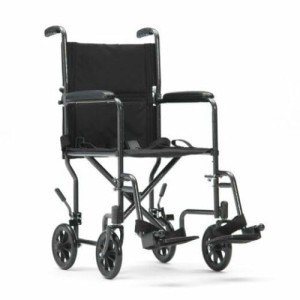
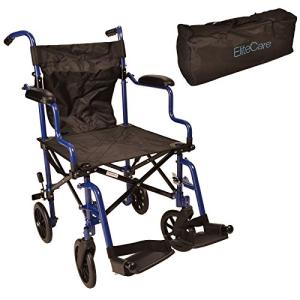
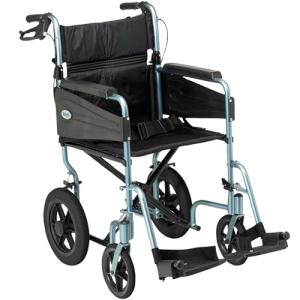
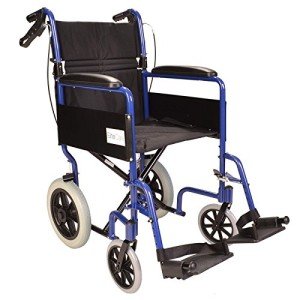
Enter the foldable 18-inch wheelchair. Designed specifically to bridge the gap between stability and portability, this particular configuration has become the industry standard for those seeking a balance of comfort and convenience. This guide explores the features, benefits, and technical considerations of the foldable 18-inch wheelchair, illustrating why it is the preferred choice for easy transport.
Understanding the 18-Inch Standard
When selecting a wheelchair, seat width is often the most critical dimension. The 18-inch seat width is widely regarded as the "standard" size for average-sized adults. It provides enough room for comfort without making the chair so wide that it cannot navigate standard interior doorways or become cumbersome to push.
In the context of a foldable model, this 18-inch width ensures that the user remains well-supported while the frame maintains a geometry that allows for a compact "X-brace" folding mechanism. This mechanism allows the chair to collapse side-to-side, significantly reducing its footprint for storage in car trunks or closets.
Key Features of Foldable 18-Inch Wheelchairs
The modern foldable wheelchair is a marvel of engineering, utilizing materials and designs that were once exclusive to aerospace or high-end sporting goods. Below are the core features that contribute to their ease of transport and use.
1. Advanced Frame Materials
The weight of the chair is the biggest factor in "easy transport." Manufacturers typically use two types of materials:
- Aluminum: Lightweight and rust-resistant, making it ideal for frequent travel.
- Carbon Steel: Heavier but highly durable and cost-effective for those who require a sturdier frame.
2. Quick-Release Components
To make a wheelchair truly portable, many 18-inch models feature quick-release rear wheels and swing-away footrests. By removing these components, the total weight of the frame is further reduced, and the shape becomes even more streamlined for tight spaces like airplane overhead bins or small vehicle trunks.
3. Compact Folding Mechanisms
Most 18-inch wheelchairs utilize a cross-brace design. When the seat is pulled upward, the two sides of the chair move toward each other. Some ultra-light models also feature a "half-folding backrest," which allows the top half of the back upholstery to fold down, reducing the height of the collapsed unit.
4. Durable Upholstery
Because these chairs are designed for transport, they are often subjected to more wear and tear. High-quality nylon or breathable mesh upholstery is standard, offering a blend of comfort for the user and durability for the rigors of travel.
Comparing Wheelchair Types for Transport
Not all foldable wheelchairs are created equal. Depending on the user's level of independence, different styles may be appropriate.
| Feature | Standard Foldable Wheelchair | Lightweight Transport Chair | Ultra-Lightweight Active Chair |
|---|---|---|---|
| Average Weight | 35 – 45 lbs | 15 – 25 lbs | 12 – 20 lbs |
| Wheel Size | Large (24") Rear Wheels | Small (8"-12") All Around | Variable/High-Performance |
| Self-Propulsion | Yes | No (requires attendant) | Yes |
| Best For | General daily use | Short trips/Doctor visits | Active lifestyles/Frequent travel |
| Foldability | Side-to-side | Side-to-side & back fold | Modular or rigid-fold |
The Benefits of a Foldable Design for Easy Transport
The primary advantage of a foldable 18-inch wheelchair is the freedom it grants both the user and the caregiver.
Seamless Vehicle Loading
For many families, the ability to go for a drive is contingent on whether the wheelchair fits in the car. A foldable model eliminates the need for expensive vehicle modifications or external hitch racks. Most foldable 18-inch chairs can fit into the trunk of a standard sedan or the "well" of a minivan.
Air and Rail Travel
Navigating airports can be stressful. A foldable wheelchair allows the user to stay in their own chair until they reach the aircraft door (Gate Checking). Once folded, the chair is less likely to be damaged in the cargo hold compared to rigid frames, provided it is packed correctly.
Storage in Small Living Spaces
In urban environments or assisted living facilities where space is at a premium, a wheelchair that can be tucked behind a door or under a bed when not in use is invaluable. This keeps the living area clutter-free and safe from tripping hazards.
Checklist for Choosing the Right Foldable Wheelchair
Before purchasing a foldable 18-inch wheelchair, consider the following checklist to ensure it meets your specific transport needs:
- Weight Capacity: Does the chair support the user’s weight? (Standard 18-inch chairs usually support up to 250–300 lbs).
- Product Weight: Can the caregiver comfortably lift the chair into a vehicle?
- Folded Dimensions: Measure your car trunk and compare it with the chair’s folded specs.
- Terrain Compatibility: Are the wheels suitable for the surfaces you frequent (e.g., pavement, carpet, or gravel)?
- Ease of Folding: Is the mechanism smooth, or does it require significant strength to operate?
Maintenance Tips for Longevity
To ensure the folding mechanism remains "easy" over time, regular maintenance is required:
- Lubricate the Cross-Brace: Periodically apply a silicone-based lubricant to the center X-frame to prevent sticking.
- Check Bolt Tightness: Frequent folding and unfolding can loosen bolts over time. Perform a monthly safety check.
- Clean the Tracks: Ensure that the seat rails are free of debris or hair, which can impede the folding process.
- Inspect Upholstery: Look for tears near the folding seams, as these can compromise the structural integrity of the seat.
Frequently Asked Questions (FAQ)
1. Is an 18-inch wheelchair wide enough for most people?
Yes, 18 inches is the most common seat width for adults. It generally accommodates individuals weighing between 120 and 180 pounds. However, it is always recommended to measure the user's hip width and add 1-2 inches for comfort.
2. Can I propel a foldable 18-inch wheelchair myself?
As long as the chair has large rear wheels (typically 24 inches) with hand rims, the user can self-propel. If the chair has four small wheels, it is a "transport chair" and requires an attendant to push.
3. Are foldable wheelchairs safe?
Absolutely. When unfolded and locked into position, foldable wheelchairs are highly stable. Users must ensure that the seat is fully depressed and the frame is "clicked" into place before sitting down.
4. Does insurance cover foldable wheelchairs?
In many cases, yes. Medicare and private insurance providers often cover "Standard Manual Wheelchairs" (HCPCS code K0001) or "Lightweight Wheelchairs" (K0003) if a medical necessity is established by a physician.
5. Can I take a foldable wheelchair on a plane?
Yes. Under the Air Carrier Access Act (ACAA), airlines are required to transport manual wheelchairs free of charge. Most travelers prefer to "Gate Check" the chair so it is available immediately upon deplaning.
The foldable 18-inch wheelchair represents a perfect harmony of functionality and portability. By prioritizing lightweight materials and intuitive folding mechanisms, manufacturers have made it possible for those with mobility challenges to maintain an active, social, and mobile life. Whether it is a trip to the local grocery store or a transatlantic flight, the right foldable wheelchair ensures that the journey is as smooth as the destination.
When choosing a model, always prioritize the user’s physical requirements and the caregiver’s lifting capacity. By doing so, you invest in a tool that doesn't just move a person from point A to point B, but enhances their overall freedom of movement.