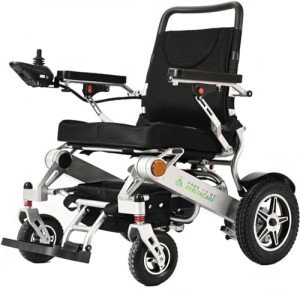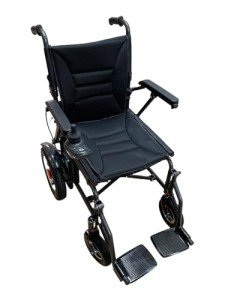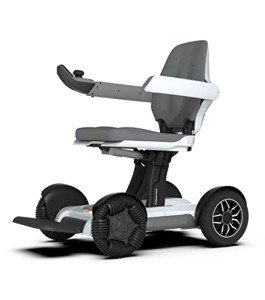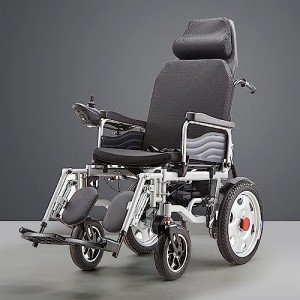

For individuals living with limited mobility, the desire to explore the world—whether that involves a trip to the local grocery store or a transatlantic flight—remains a fundamental part of a high-quality life. Historically, heavy and bulky power wheelchairs presented a significant barrier to spontaneous travel. However, the advent of the foldable electric wheelchair has revolutionized the industry, offering a seamless blend of independence, technology, and portability.
This guide explores the intricate details of foldable electric wheelchairs, their benefits, key features to consider when purchasing, and essential tips for traveling with these innovative devices.
The Evolution of Power Mobility
Traditionally, electric wheelchairs were synonymous with heavy frames, non-removable lead-acid batteries, and the requirement of specialized vehicles equipped with hydraulic lifts. While these "standard" power chairs offer excellent durability and customization for complex medical needs, they often tether the user to their immediate environment.
Foldable electric wheelchairs represent a design shift toward "active mobility." By utilizing lightweight materials such as aircraft-grade aluminum and carbon fiber, combined with high-energy-density lithium-ion batteries, manufacturers have created devices that provide the power of an electric motor with the convenience of a manual chair’s footprint.
Why Choose a Foldable Electric Wheelchair?
The primary appeal of a foldable power chair is its versatility. Unlike rigid models, these chairs can be collapsed in seconds, often to the size of a medium suitcase. This capability opens doors—literally and figuratively—to various modes of transportation.
Key Benefits
- Portability: Most models can fit into the trunk of a standard sedan, eliminating the need for expensive van conversions.
- Independence: Users can operate the chair without assistance, and the compact design allows for better maneuvering in tight indoor spaces like cafes or small apartments.
- Airline Readiness: Many foldable chairs are designed specifically with FAA and TSA regulations in mind, featuring "dry" lithium batteries that are safe for air travel.
- Ease of Storage: When not in use, the chair can be tucked away in a closet, keeping living spaces clutter-free.
Table 1: Foldable vs. Standard Electric Wheelchairs
| Feature | Foldable Electric Wheelchair | Standard/Heavy-Duty Power Chair |
|---|---|---|
| Weight | 40 lbs – 65 lbs | 150 lbs – 300+ lbs |
| Portability | Fits in most car trunks | Requires a lift or ramp-equipped van |
| Battery Type | Lightweight Lithium-ion | Heavy Lead-acid or Gel |
| Turning Radius | Usually tighter (ideal for indoors) | Generally larger |
| Terrain Capability | Paved surfaces, light gravel | Off-road, grass, and steep inclines |
| Folding Mechanism | One-touch or manual collapse | Non-foldable; requires disassembly |
Essential Features to Evaluate
When selecting a foldable electric wheelchair for travel, it is vital to look beyond the price tag. The best model is one that balances the user’s physical requirements with their lifestyle goals.
1. Weight and Material
The weight of the chair is perhaps the most critical factor for travel. If a caregiver or family member needs to lift the chair into a vehicle, a model weighing between 40 and 50 pounds is ideal. Frames made from aluminum alloys provide strength without excessive weight, while carbon fiber models represent the premium, lightest options on the market.
2. Battery Range and Compliance
For travelers, battery specifications are paramount. Most airlines require lithium-ion batteries to be under a certain Watt-hour (Wh) rating (usually 300Wh for a single battery or 160Wh each for two batteries). Always check the manufacturer’s documentation for "Airline Approval" certificates.
3. Drive System and Motor
Modern foldable chairs typically use brushless motors. These are more efficient, quieter, and last longer than traditional brushed motors. Look for dual-motor systems (one for each rear wheel) to ensure better traction and control.
4. Comfort and Ergonomics
Because these chairs are designed to be lightweight, they sometimes sacrifice cushioning. Look for models with:
- Memory foam or gel seat cushions.
- Adjustable armrests.
- Breathable mesh upholstery.
- Shock-absorbing suspension systems to handle uneven pavement.
Table 2: Recommended Specifications for Different Use Cases
| Feature | Best for Air Travel | Best for Outdoor/Rough Terrain |
|---|---|---|
| Chassis Weight | Under 45 lbs | 55 - 70 lbs (for stability) |
| Wheel Size | 7-8" Front / 10-12" Rear | 8-9" Front / 12-14" Rear |
| Battery Range | 10 - 13 miles | 15 - 20 miles |
| Incline Rating | 6 - 8 degrees | 10 - 12 degrees |
| Suspension | Basic/Standard | Dual-spring or Hydraulic |
Traveling with a Foldable Electric Wheelchair
Taking a power wheelchair on a trip requires a bit of preparation, but the rewards are significant. Here is how to manage different modes of transport effectively.
Air Travel
The Air Carrier Access Act (ACAA) protects the rights of travelers with disabilities. When flying:
- Notify the Airline: Inform the carrier at least 48 hours in advance that you will be traveling with an electric wheelchair.
- Verify Battery Specs: Ensure your lithium battery is removable and clearly labeled with its Wh rating.
- Gate Check: Most users prefer to ride their chair to the boarding gate. At the gate, the chair is tagged and placed in the cargo hold.
- Protect the Joystick: The joystick is the most fragile part of the chair. It is highly recommended to remove it or wrap it in bubble wrap before the chair is stowed.
Car and Train Travel
For car travel, foldable chairs are a game-changer. They can be placed in the back seat or trunk, allowing users to take standard taxis or Uber/Lyft rides without requesting a specialized "WAV" (Wheelchair Accessible Vehicle). On trains, the compact width of foldable models makes navigating narrow aisles significantly easier.
List of Essential Travel Accessories:
- Travel Cover: Protects the chair from scratches and weather during transit.
- Spare Battery: Doubling your range is essential for long days of sightseeing.
- Universal Tool Kit: For tightening bolts or adjusting footrests on the go.
- USB Charging Port: Many modern controllers include a port to charge mobile phones using the chair’s battery.
Maintenance and Longevity
To ensure a foldable electric wheelchair remains reliable, a consistent maintenance routine is necessary.
- Battery Care: Avoid letting the battery drain to 0%. Charge it after every significant use. If the chair is stored for a long period, charge the battery at least once a month.
- Tire Inspection: Most foldable chairs use solid, flat-free tires. Check them regularly for wear and tear or embedded debris.
- Cleaning: Use a damp cloth to wipe down the frame. Avoid using high-pressure water hoses, as electronics and motors are sensitive to moisture.
- Tightening Joints: Because these chairs fold, the hinges and locking mechanisms may loosen over time. Inspect these points every few months to ensure they are secure.
The foldable electric wheelchair is more than just a mobility aid; it is a tool for liberation. By stripping away the weight and complexity of traditional power chairs, these devices allow individuals to say "yes" to invitations and adventures that might have once seemed impossible. Whether navigating the cobblestone streets of Europe or the local community center, the right foldable chair provides the perfect balance of technology, comfort, and portability.
Frequently Asked Questions (FAQ)
Q: Can I drive a foldable electric wheelchair on grass or gravel?A: Most foldable models are designed for "urban" environments (sidewalks, malls, and indoors). While some can handle short stretches of firm grass or packed gravel, they generally lack the high ground clearance and large tires required for serious off-roading.
Q: How long does it take to charge the battery?A: On average, a full charge takes between 6 to 8 hours. Many users prefer to charge their chairs overnight.
Q: Are these chairs covered by Medicare or insurance?A: In many cases, insurance providers view foldable chairs as "convenience" items rather than "medically necessary" (which usually refers to heavy-duty indoor chairs). However, policies vary. It is best to consult with a primary care physician and insurance provider to see if reimbursement is available.
Q: What is the maximum weight capacity for foldable power chairs?A: Most standard foldable models support between 250 lbs and 300 lbs. There are "heavy-duty" foldable options available that can support up to 400 lbs, though the chair itself will be slightly heavier.
Q: Can the joystick be moved to either side?A: Yes. Most manufacturers design the joystick controller to be mounted on either the right or left armrest to accommodate both right-handed and left-handed users.