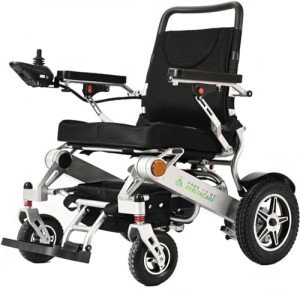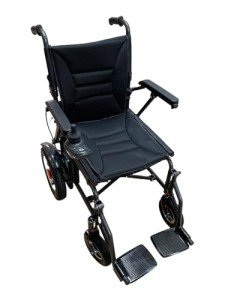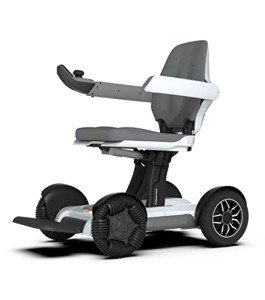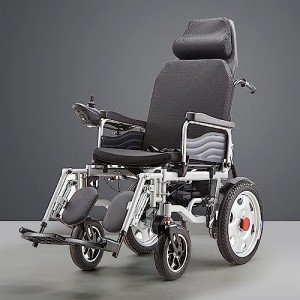

In the realm of assistive technology, the evolution of the electric wheelchair has been nothing short of revolutionary. For individuals with limited mobility, these devices are more than just tools; they are the keys to independence, social engagement, and an active lifestyle. Among the various models available on the market today, the foldable electric wheelchair equipped with a 20Ah (Ampere-hour) battery has emerged as a gold standard for those seeking a balance between long-range endurance and portable convenience.
This guide explores the intricate details, benefits, and technical specifications of foldable electric wheelchairs featuring high-capacity 20Ah batteries, providing an informative overview for prospective users and caregivers.
The Intersection of Portability and Power
Traditional electric wheelchairs were often bulky, heavy, and required specialized vehicles for transport. However, the modern foldable electric wheelchair addresses these challenges through innovative engineering. By utilizing lightweight materials such as aerospace-grade aluminum alloys and high-efficiency lithium-ion batteries, manufacturers have created devices that provide robust performance without sacrificing the ability to fit into a standard car trunk.
The "20Ah" designation refers to the battery's capacity. In the context of mobility, higher Ampere-hours translate directly to longer distances per charge. While many standard lightweight wheelchairs come with 10Ah or 12Ah batteries, upgrading to a 20Ah system significantly extends the user's travel radius, making it ideal for day trips, shopping malls, and outdoor excursions.
Key Features of 20Ah Foldable Electric Wheelchairs
When examining these advanced mobility aids, several features stand out as essential for performance and user satisfaction:
- Extended Range: A 20Ah battery can typically power a wheelchair for 15 to 20 miles on a single charge, depending on terrain and user weight.
- Compact Folding Mechanism: Most models feature a one-touch or quick-fold design that collapses the frame in seconds.
- Dual Motor Systems: High-capacity batteries often support dual brushless motors (e.g., 250W each), providing better torque for inclines and uneven surfaces.
- Advanced Control Systems: 360-degree joysticks offer precise maneuvering in tight indoor spaces.
- Comfort-Centric Ergonomics: Breathable seat cushions, adjustable armrests, and shock-absorbing suspension systems are standard in premium long-range models.
Technical Specifications: A Comparison
The following table provides a technical breakdown of what users can expect from a high-performance 20Ah foldable electric wheelchair compared to a standard entry-level model.
Table 1: Technical Comparison Chart
| Feature | Standard Foldable Model | High-Capacity 20Ah Model |
|---|---|---|
| Battery Capacity | 10Ah - 12Ah | 20Ah (Lithium-Ion) |
| Estimated Range | 6 - 10 Miles | 15 - 20 Miles |
| Motor Type | Brushed or Single Brushless | Dual Brushless (250W x 2) |
| Maximum Speed | 4 mph | 4 - 6 mph |
| Weight Capacity | Up to 220 lbs | Up to 300 - 330 lbs |
| Charging Time | 4 - 6 Hours | 6 - 8 Hours |
| Frame Material | Steel or Basic Aluminum | Aerospace-Grade Aluminum |
| Braking System | Manual or Electric | Electromagnetic (Auto-Brake) |
The Advantages of the 20Ah Lithium Battery
The heart of these wheelchairs is the 20Ah lithium-ion battery. Unlike older lead-acid batteries, lithium-ion technology offers several distinct advantages:
- Weight Efficiency: Lithium batteries are significantly lighter than lead-acid counterparts, which is crucial for maintaining the "foldable and portable" nature of the chair.
- Longevity: These batteries have a higher cycle life, often lasting 2 to 3 years before requiring a replacement.
- Consistent Power Delivery: Unlike some batteries that lose power as they discharge, lithium batteries provide a steady stream of energy, ensuring the wheelchair performs well even when the charge is low.
- Faster Charging Technology: Modern 20Ah systems often support off-board charging, allowing the user to charge the battery independently of the wheelchair.
Table 2: Estimated Travel Distance by User Weight (20Ah Battery)
Note: These are estimates based on flat terrain and moderate speeds.
| User Weight | Estimated Range (Miles) |
|---|---|
| 130 - 150 lbs | 20 - 22 Miles |
| 170 - 200 lbs | 16 - 18 Miles |
| 220 - 250 lbs | 13 - 15 Miles |
| 280 - 300 lbs | 10 - 12 Miles |
Mobility and Accessibility: Travel Considerations
One of the primary reasons individuals choose a foldable model with a 20Ah battery is the desire for travel. However, it is important to note the regulations regarding lithium batteries.
Airline Compliance
Many airlines have a limit on the capacity of lithium-ion batteries allowed on planes (usually 160Wh or 300Wh). A 24V 20Ah battery calculates to 480Wh (Volts x Ampere-hours = Watt-hours). Therefore, users looking to travel by air may need to carry two 10Ah batteries (which can be swapped) or check with the specific airline regarding their policy for high-capacity medical device batteries.
Road Trips
For car travel, the 20Ah foldable wheelchair is unparalleled. It eliminates the need for expensive van conversions or external lifts. The chair can be folded and placed in the trunk, while the high-capacity battery ensures that once the destination is reached, the user has plenty of power for a full day of activity.
Safety and Maneuverability
Safety is a paramount concern for mobility device users. Foldable electric wheelchairs with 20Ah batteries typically incorporate several safety features:
- Electromagnetic Brakes: These brakes engage automatically when the joystick is released, preventing the chair from rolling on inclines.
- Anti-Tip Wheels: Small rear wheels prevent the chair from tipping backward when navigating slopes.
- Puncture-Proof Tires: Solid or honeycomb tires are common, ensuring the user is never stranded due to a flat tire.
- Reflective Strips and Lights: For visibility during dusk or dawn.
Maintenance for Longevity
To ensure the 20Ah foldable electric wheelchair remains in peak condition, a regular maintenance schedule should be followed.
Essential Maintenance Checklist:
- Battery Care: Charge the battery fully after every use. Avoid letting it drop to 0% to prolong the chemical life of the lithium cells.
- Tire Inspection: Check for wear and tear on the treads and ensure all bolts are tightened.
- Joystick Cleaning: Use a damp (not wet) cloth to keep the controller free from dust and debris.
- Frame Integrity: Regularly inspect the folding joints and ensure the locking mechanism is secure.
- Storage: Store the wheelchair in a cool, dry place. If the chair will not be used for an extended period, the battery should be charged to approximately 60% and disconnected.
The foldable electric wheelchair with a 20Ah battery represents a significant milestone in mobility technology. It successfully bridges the gap between the endurance of heavy-duty power chairs and the convenience of portable manual chairs. By providing an extended range, a robust motor system, and a frame that can be easily transported, this device empowers users to explore their environments with renewed confidence.
While the higher capacity battery may require closer attention to airline regulations, the benefits of longer travel distances and reliable power make it an investment in quality of life. As technology continues to advance, these devices will likely become even more lightweight and efficient, further breaking down the barriers to accessible movement.
Frequently Asked Questions (FAQ)
1. How long does it take to charge a 20Ah battery?
Typically, a 20Ah battery takes between 6 and 8 hours to charge fully using a standard 2A charger. Using a fast charger may reduce this time, but it is essential to use only chargers approved by the manufacturer to avoid damaging the lithium cells.
2. Is the 20Ah battery waterproof?
Most mobility batteries are rated for "weather resistance" (IPx4 or similar). This means they can handle light mist or moisture, but they should never be submerged in water or left in heavy rain. It is recommended to use a protective cover for the joystick and battery during inclement weather.
3. Can I use this wheelchair on grass or gravel?
Most foldable electric wheelchairs with dual 250W motors and decent-sized rear wheels can handle short-grass lawns and well-packed gravel paths. However, they are primarily designed for paved surfaces. Deep sand or thick mud should be avoided.
4. Does the weight of the battery make the chair hard to lift?
A 20Ah lithium battery usually weighs between 7 and 10 lbs. While this adds weight compared to a 10Ah battery, the overall weight of the wheelchair (usually between 50 and 65 lbs) remains manageable for most caregivers to lift into a vehicle.
5. Can I upgrade my current 12Ah wheelchair to a 20Ah battery?
In many cases, yes, provided the voltage (usually 24V) matches and the battery compartment has enough physical space for the larger 20Ah casing. It is vital to consult the manufacturer before upgrading to ensure compatibility with the controller and motors.