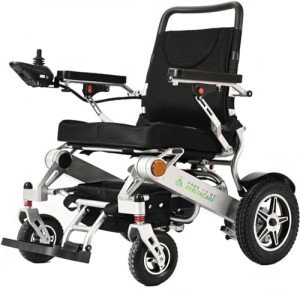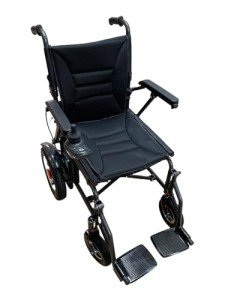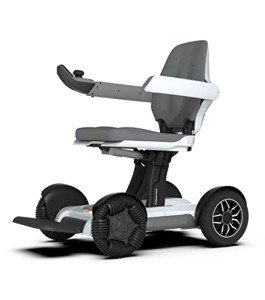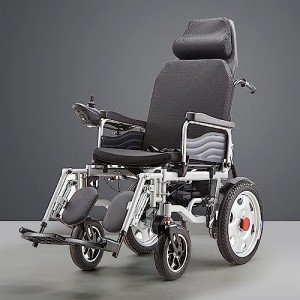


For individuals with limited mobility, the pursuit of independence is often tethered to the quality of their equipment. In recent years, the mobility industry has undergone a technological revolution, moving away from heavy, cumbersome chairs toward lightweight, adaptable solutions. One of the most significant advancements in this field is the Foldable Electric Wheelchair with Remote Control and high-capacity batteries.
This innovation represents more than just a means of transport; it symbolizes freedom and convenience. This guide explores the features, benefits, and technical considerations of these modern mobility devices, providing a comprehensive overview for prospective users and caregivers.
The Evolution of the Power Wheelchair
Historically, electric wheelchairs were difficult to transport. They often required specialized vans equipped with hydraulic lifts and weighed several hundred pounds. However, the introduction of aircraft-grade aluminum alloys and lithium-ion battery technology has changed the landscape. Modern foldable electric wheelchairs offer a "no-compromise" solution—providing the power of a standard motorized chair with the portability of a manual one.
Key Features of Modern Foldable Electric Wheelchairs
- Compact Folding Mechanisms: Most models utilize a "one-touch" or "clamshell" folding design, allowing the chair to be collapsed into the size of a large suitcase in under five seconds.
- Remote Control Functionality: Through a dedicated remote or a smartphone application, users or caregivers can navigate the chair without being seated in it.
- High-Efficiency Motors: Dual brushless motors provide quiet, powerful performance capable of handling inclines and varied terrain.
- Long-Range Lithium Batteries: Modern units are powered by rechargeable batteries that offer significant range while remaining lightweight enough for airline travel.
The Game-Changing Influence of Remote Control Technology
The inclusion of a remote control is perhaps the most innovative feature of these modern wheelchairs. This functionality addresses several pain points that manual and traditional power chair users face daily.
- Self-Storage and Retrieval: A user can transfer themselves to a car seat or a sofa and then use the remote control to "park" the wheelchair in a corner, keeping the living space clear. When they are ready to move again, they can "summon" the chair back to their position.
- Caregiver Assistance: For caregivers who may have physical limitations themselves, the remote control allows them to guide the wheelchair through tight spaces or up ramps without having to exert physical force or stand directly behind the chair.
- Safety in Tight Spaces: Navigating a wheelchair into a narrow elevator or through a crowded hallway can be stressful. The remote allows for precision steering from a different vantage point, ensuring the chair does not bump into walls or obstacles.
Technical Specifications and Comparisons
When selecting a foldable electric wheelchair, understanding the technical data is crucial. These specifications determine how the chair will perform in different environments, from shopping malls to gravel paths.
Table 1: Standard Technical Specifications for Foldable Electric Wheelchairs
| Feature | Average Professional Grade Specification |
|---|---|
| Material | Aircraft-grade Aluminum Alloy |
| Net Weight (without batteries) | 50 lbs – 65 lbs |
| Weight Capacity | 265 lbs – 330 lbs |
| Maximum Speed | 4 mph – 5 mph |
| Driving Range | 12 – 15 miles per charge |
| Battery Type | 24V 12Ah Lithium-ion |
| Motor Type | 250W x 2 Brushless Motors |
| Max Incline Capability | 8 – 12 degrees |
| Turning Radius | 31 inches – 33 inches |
Table 2: Foldable vs. Traditional Heavy-Duty Power Wheelchairs
| Comparison Point | Foldable Electric Wheelchair | Traditional Power Wheelchair |
|---|---|---|
| Portability | High (Fits in most car trunks) | Low (Requires specialized vehicle) |
| Weight | Lightweight (approx. 60 lbs) | Heavy (200 lbs - 400 lbs) |
| Maintenance | Low (Brushless motors) | Moderate to High |
| Terrain | Pavement, grass, light gravel | All-terrain, including heavy mud/sand |
| Customization | Standard ergonomic designs | Highly customizable seating/controls |
| Travel | Airline/Cruise ship friendly | Difficult for air travel |
Battery Technology: The Heart of the Machine
The performance of an electric wheelchair is only as good as its power source. Most foldable models use Lithium-Iron Phosphate (LiFePO4) or standard Lithium-ion batteries. These are preferred over traditional Lead-Acid batteries for several reasons:
- Weight Reduction: Lithium batteries are about one-third the weight of lead-acid equivalents.
- Life Span: Lithium batteries can endure 1,000+ charge cycles compared to the roughly 300 cycles of lead-acid batteries.
- Charging Speed: They charge significantly faster, often reaching a full charge in 4 to 6 hours.
- Consistency: Unlike lead-acid batteries, lithium maintains consistent power output even as the battery percentage drops.
Airline Compliance
For those who travel, it is essential to note that the Federal Aviation Administration (FAA) and International Air Transport Association (IATA) have specific regulations regarding lithium batteries. Most foldable wheelchairs are designed with "Travel-Safe" batteries (usually 12Ah or 16Ah) that are pre-approved for air travel, allowing the user to take their chair right to the boarding gate.
Critical Factors to Consider Before Purchase
Choosing the right wheelchair requires a balance between lifestyle needs and physical requirements.
1. The Environment
If the chair will primarily be used indoors, a smaller turning radius is vital for navigating kitchens and bathrooms. If the user intends to travel outdoors, they should look for models with larger rear wheels (typically 12 inches) and electromagnetic braking systems for safety on hills.
2. Comfort and Ergonomics
While portability is the goal, comfort should not be sacrificed. Users should look for:
- Breathable, washable seat cushions.
- Flip-up armrests for easy side transfers.
- Adjustable footrests.
3. Portability vs. Durability
While lighter is often better for transport, the frame must be sturdy enough to support the user safely. Aluminum alloy is the gold standard, providing high tensile strength without excessive weight.
Maintenance Tips for Longevity
To ensure the foldable electric wheelchair remains reliable, a regular maintenance schedule should be followed:
- Battery Care: Avoid letting the battery drain to 0%. It is best to charge the chair after every use.
- Tire Inspections: Check for wear and tear. Most foldable chairs use solid or honeycomb tires to prevent punctures.
- Joystick and Remote Calibration: Ensure the controller is responsive and the remote control is synced according to the manufacturer’s instructions.
- Cleaning: Use a damp cloth to wipe the frame. Never use a high-pressure hose, as moisture can damage the sensitive electronic components in the motors and joystick.
Frequently Asked Questions (FAQ)
Q: Can the wheelchair be operated manually if the battery dies?A: Yes. Most models feature a "freewheel" or "neutral" mode. By flipping a lever on the motors, the electric brakes are disengaged, allowing a companion to push the chair like a standard manual wheelchair.
Q: Is the remote control difficult to set up?A: Generally, no. Most units come factory-paired. If not, pairing usually involves holding a sequence of buttons on the joystick and the remote simultaneously for a few seconds.
Q: How does the chair handle hills and inclines?A: Foldable electric wheelchairs are equipped with anti-tipping wheels and electromagnetic brakes. These brakes automatically engage when the joystick is released, preventing the chair from rolling backward on a slope.
Q: Are these wheelchairs covered by insurance?A: Coverage varies by provider and region. In some cases, Medicare or private insurance may cover a portion of the cost if the chair is deemed a "medical necessity." It is recommended to consult with a doctor and an insurance representative.
Q: What is the maximum weight capacity?A: Standard models typically support up to 265 lbs. However, "Heavy Duty" or "XL" versions of foldable chairs are available with reinforced frames that can support up to 330 lbs or more.
The Foldable Electric Wheelchair with Remote Control and advanced battery technology represents a pinnacle of user-centric design. By removing the barriers of weight and transportation difficulty, these devices allow individuals to engage more fully with the world around them. Whether it is a trip to the local grocery store, a family vacation overseas, or simply moving through the home with ease, the right mobility solution can profoundly impact one's quality of life.
When considering a purchase, users should prioritize a balance of weight, range, and the convenience of modern features like remote operation. With proper care and the right specifications, a foldable electric wheelchair can provide years of reliable service and, most importantly, the independence that every individual deserves.