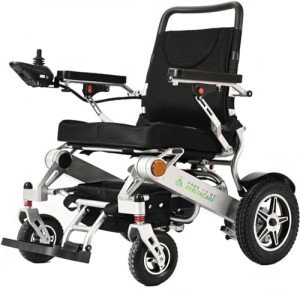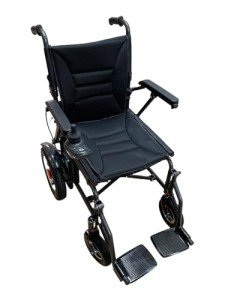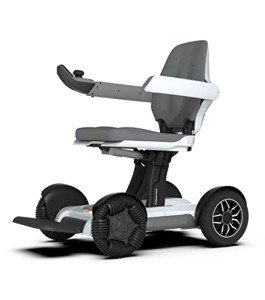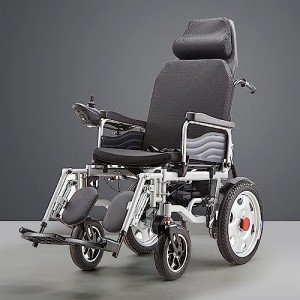

The landscape of personal mobility has undergone a radical transformation over the last decade. For individuals with limited mobility, the transition from heavy, cumbersome manual chairs to sophisticated, motorized solutions has been life-changing. However, the most significant leap forward in recent years is the emergence of the foldable power electric wheelchair equipped with Lithium-Ion (Li-Ion) battery technology. These devices represent a perfect intersection of structural engineering and advanced electrochemistry, offering a level of independence that was previously unattainable.
This guide explores the technical nuances, practical benefits, and essential considerations of modern foldable power wheelchairs, illustrating why they have become the gold standard for portable mobility.
The Technological Core: Why Lithium-Ion Matters
Historically, electric wheelchairs relied on Lead-Acid or Gel batteries. While reliable, these batteries were incredibly heavy, slow to charge, and had a limited lifespan. The integration of Lithium-Ion technology has fundamentally changed the design possibilities of power chairs.
Weight and Energy Density
Lithium-ion batteries possess a much higher energy density compared to lead-acid counterparts. This means they can store more power in a significantly smaller and lighter package. In the context of a foldable wheelchair, reducing the battery weight by 60-70% allows the entire frame to be more streamlined, making it easier for users or caregivers to lift the device into a vehicle.
Longevity and Charging Efficiency
Li-Ion batteries typically support between 800 to 1,500 charge cycles, whereas lead-acid batteries often begin to degrade after 200 to 300 cycles. Furthermore, Li-Ion batteries do not suffer from "memory effect," allowing users to top off the charge at any time without damaging the battery’s long-term capacity.
Comparison: Foldable Power Chairs vs. Traditional Power Chairs
To understand the value of these modern devices, it is helpful to compare them against traditional, non-folding power wheelchairs.
| Feature | Foldable Power Chair (Li-Ion) | Traditional Power Chair |
|---|---|---|
| Average Weight | 45 lbs – 65 lbs | 150 lbs – 300 lbs |
| Portability | Folds in seconds; fits in car trunks | Requires a van with a lift or ramp |
| Battery Type | Lithium-Ion (Lightweight) | Lead-Acid/SLA (Heavy) |
| Turning Radius | Generally tighter (30-35 inches) | Varies (often wider) |
| Travel Suitability | High (Airline approved models available) | Low (Extremely difficult to transport) |
| Main Use Case | Versatile: Indoor, outdoor, and travel | Heavy-duty, primary all-day use |
Key Features of Modern Foldable Electric Wheelchairs
When examining the current market, several innovations stand out that contribute to the performance and popularity of these devices.
1. Aerospace-Grade Framework
Most high-end foldable power chairs utilize aircraft-grade aluminum alloy or carbon fiber. These materials provide the necessary structural integrity to support weight capacities of up to 300 lbs while maintaining a lightweight profile.
2. Brushless Motor Technology
Older models used brushed DC motors, which were noisy and required more maintenance. Modern foldable chairs typically feature dual brushless motors. These are not only quieter and more efficient but also provide better torque for navigating inclines and uneven surfaces.
3. One-Touch Folding Mechanisms
The hallmark of these chairs is the "fold-and-go" design. Many models now feature a simple pull-release or even a remote-controlled automatic folding system that collapses the chair to the size of a medium suitcase in under five seconds.
4. Intelligent Control Systems
Advanced joysticks now include programmable speed settings, battery life indicators, and even USB charging ports for mobile devices. The sensitivity of the joystick allows for precision maneuvering in tight indoor spaces like bathrooms or narrow hallways.
Technical Specifications to Consider
Before choosing a model, it is vital to understand the technical specifications that will impact daily usage.
| Specification | Standard Range | High-Performance Range |
|---|---|---|
| Max Speed | 4 mph | 6 mph |
| Driving Range | 10 – 12 miles | 15 – 20 miles |
| Weight Capacity | 220 lbs | 330 lbs – 400 lbs |
| Incline Rating | 6 degrees | 10 – 12 degrees |
| Folded Dimensions | 30" x 24" x 13" | 24" x 12" x 20" |
The Travel Advantage: Air Travel and Beyond
One of the primary drivers for purchasing a foldable power chair is the desire to travel. Unlike traditional wheelchairs, which often require specialized freight handling, a foldable Li-Ion chair can often be treated as gate-checked luggage.
Airline Compliance
The Federal Aviation Administration (FAA) and International Air Transport Association (IATA) have specific regulations regarding Lithium-Ion batteries. Generally, a battery must be under 300 Watt-hours (Wh) to be allowed on a passenger aircraft. Many manufacturers design their batteries at exactly 240Wh or 285Wh to ensure they meet these global safety standards.
Independence on the Road
Because these chairs fit comfortably into the trunk of a standard sedan, users are no longer restricted to using specialized paratransit or expensive converted vans. This opens up opportunities for road trips, visiting friends, and navigating public transport systems in cities worldwide.
Maintenance and Safety Best Practices
While foldable electric wheelchairs are designed for durability, consistent maintenance ensures longevity and safety.
General Maintenance Checklist:
- Battery Care: Charge the battery fully before the first use. Avoid letting the battery drain to 0% if possible.
- Tire Inspection: Regularly check for wear and tear. Most foldable models use solid, puncture-proof tires, which reduce maintenance but still require periodic cleaning.
- Frame Cleaning: Wipe down the frame with a damp cloth to remove salt, dirt, or debris, especially after outdoor use.
- Joystick Protection: Ensure the joystick remains dry. Many users opt for a waterproof cover when navigating in light rain.
- Bolt Tightening: Periodically check that all folding hinges and bolts are secure, as vibrations from travel can occasionally loosen hardware.
How to Choose the Right Model
Selecting the appropriate wheelchair requires a balance between the user's physical needs and their lifestyle requirements.
- Assess the Primary Environment: If the chair is mostly for indoor use, prioritize a smaller turning radius and narrower width. If it is for outdoor use, look for larger rear wheels and more powerful motors.
- Verify Weight Capacity: Always choose a chair that offers a weight capacity at least 10–15% higher than the user's weight to prevent straining the motors.
- Test the Folding Speed: Ensure the folding mechanism is manageable for the user or their caregiver.
- Confirm Battery Certification: If air travel is a priority, ensure the manufacturer provides a "UN38.3" safety certificate or an MSDS (Material Safety Data Sheet) for the battery.
Frequently Asked Questions (FAQ)
Can foldable power chairs handle grass or gravel?
Most foldable models are designed for paved surfaces, carpets, and smooth paths. While they can handle short stretches of firm grass or packed gravel, they are not dedicated "all-terrain" vehicles. For frequent off-road use, look for models with shock absorbers and 12-inch rear wheels.
How long does it take to charge a Lithium-Ion battery?
Typically, a full charge takes between 6 to 8 hours. However, many Li-Ion chargers reach 80% capacity within the first 3 or 4 hours.
Is it safe to leave the battery plugged in overnight?
Modern Li-Ion chargers are "smart" and will stop delivering power once the battery is full. However, for maximum safety, it is generally recommended to unplug the charger once the indicator light turns green.
Are these wheelchairs waterproof?
They are generally "water-resistant" (rated IPX4 or similar). They can handle light splashes or a brief sprinkle, but they should never be submerged or used in heavy downpours, as the electronics in the joystick are sensitive to moisture.
Can the battery be charged off the chair?
Yes, most modern foldable power chairs allow for "off-board charging." This means you can remove the battery from the chair and charge it in a standard wall outlet while the chair remains stored in a vehicle or closet.
The foldable power electric wheelchair with a Li-Ion battery is more than just a mobility aid; it is a tool for liberation. By stripping away the weight and logistical hurdles associated with traditional power chairs, this technology allows individuals to focus on the destination rather than the difficulty of the journey. As battery technology continues to improve and frames become even lighter, the gap between "mobility impaired" and "fully mobile" continues to shrink, fostering a more inclusive and accessible world for everyone.