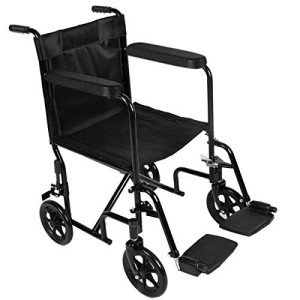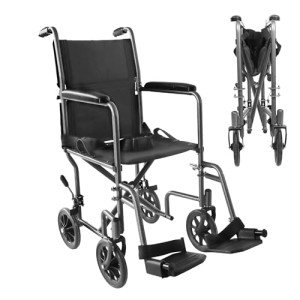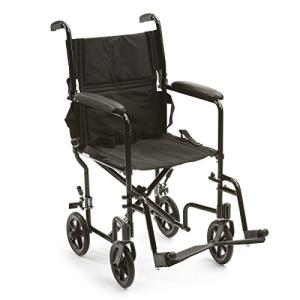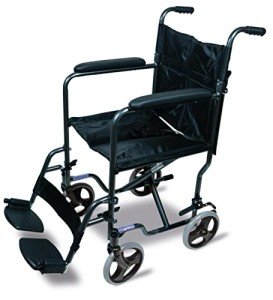


Mobility is a fundamental aspect of human independence and quality of life. For individuals facing mobility challenges due to age, injury, or chronic conditions, the selection of the right assistive device is a decision of paramount importance. Among the various options available in the modern medical equipment market, the folding aluminium wheelchair with padded comfort has emerged as a gold standard for balancing durability, portability, and user well-being.
This guide explores the intricacies of these advanced mobility aids, detailing why the combination of lightweight aluminium frames and ergonomic padding represents a significant leap forward in assistive technology.
The Evolution of Manual Wheelchairs
Historically, manual wheelchairs were constructed primarily from heavy steel. While durable, these frames were cumbersome to propel and nearly impossible for caregivers to transport easily. The introduction of aluminium alloys transformed the industry. Aluminium offers a high strength-to-weight ratio, ensuring that the wheelchair remains robust enough to support significant weight while remaining light enough to be lifted into a vehicle or maneuvered over physical obstacles.
However, a lightweight frame is only half of the equation. Without proper cushioning, prolonged use of a wheelchair can lead to discomfort, fatigue, and skin integrity issues. The integration of "padded comfort" features—including high-density foam seats, breathable upholstery, and cushioned armrests—addresses the physiological needs of the user, making these chairs suitable for extended daily use.
Key Features and Design Elements
A folding aluminium wheelchair is more than just a seat on wheels; it is a meticulously engineered piece of equipment designed for harmony between the user and their environment.
1. The Lightweight Aluminium Frame
The primary advantage is the frame itself. Most aluminium wheelchairs weigh between 12 to 15 kilograms, whereas traditional steel models can exceed 20 kilograms. This reduction in weight minimizes the strain on the user's shoulders during self-propulsion and reduces the risk of back injury for caregivers.
2. Dual-Cross Brace System
To ensure stability while maintaining the ability to fold, these chairs often utilize a dual-cross brace system under the seat. This mechanism provides the structural integrity needed to prevent the frame from flexing under pressure, ensuring a smooth ride on various surfaces.
3. Padded Comfort Features
The term "padded comfort" typically refers to several specific enhancements:
- High-Density Foam Seating: Unlike thin canvas seats, these models use layered foam that redistributes weight and reduces pressure on the ischial tuberosities.
- Cushioned Armrests: Padded armrests prevent friction and pressure points on the forearms.
- Breathable Upholstery: Many modern models use nylon or mesh fabrics that allow for airflow, reducing heat buildup and perspiration.
4. Portability and the Folding Mechanism
The "folding" aspect is achieved through a simple "pull-to-close" action. Most models allow the backrest to fold down and the footrests to be removed or swung away, making the chair compact enough to fit into the trunk of a standard sedan.
Technical Specifications at a Glance
When selecting a wheelchair, understanding the technical metrics is vital. The following table outlines the standard specifications for a high-quality folding aluminium wheelchair with padded comfort.
Table 1: Standard Technical Specifications
| Feature | Description |
|---|---|
| Frame Material | Grade 6061 or 7003 Aluminium Alloy |
| Total Weight | 11 kg – 14.5 kg (depending on seat width) |
| Weight Capacity | 100 kg – 125 kg (Standard) |
| Seat Width Options | 16, 18, or 20 inches |
| Rear Wheel Type | 22-24 inch Solid PU or Pneumatic tires |
| Front Caster Size | 6-8 inch PVC or Rubber |
| Folding Width | Approximately 25 cm – 30 cm |
| Braking System | United Handbrakes (Caregiver) + Manual Wheel Locks |
Comparing Aluminium and Steel Wheelchairs
To understand the value proposition of an aluminium model, it is helpful to compare it against the traditional steel alternative.
Table 2: Aluminium vs. Steel Wheelchairs
| Feature | Folding Aluminium (Padded) | Standard Steel |
|---|---|---|
| Maneuverability | High; requires less force to move | Moderate; can be heavy to turn |
| Transportability | Excellent; easy to lift and store | Difficult; requires significant strength |
| Durability | Rust-resistant and long-lasting | Prone to rust if coating is damaged |
| Comfort Level | High (Integrated padding) | Basic (Usually thin vinyl or canvas) |
| Cost | Mid to High range | Low to Mid range |
Who Benefits Most from This Model?
While these wheelchairs are versatile, they are particularly beneficial for specific demographics:
- Active Seniors: For those who still enjoy traveling, visiting shopping centers, or attending family gatherings, the lightweight nature allow for easy transitions from the home to the car.
- Post-Operative Patients: Individuals recovering from hip or knee surgeries require a chair that offers superior comfort to prevent irritation of surgical sites.
- Caregivers with Physical Limitations: If a caregiver is also an older adult, the ability to lift a 12 kg aluminium frame is significantly safer than struggling with a 20 kg steel frame.
- Users with Sensitive Skin: The padded upholstery is crucial for those at risk of pressure sores (decubitus ulcers), as it provides a softer interface than standard sling seats.
Maintenance and Care for Longevity
To ensure the safety and longevity of a folding aluminium wheelchair, a regular maintenance schedule should be followed. Aluminium is low-maintenance, but the moving parts require attention.
Maintenance Checklist:
- Weekly Cleaning: Wipe down the frame with a damp cloth and mild detergent. Ensure the padded upholstery is free from crumbs or debris that could cause skin irritation.
- Tire Inspection: Check the pressure if the tires are pneumatic. If they are solid PU tires, inspect them for cracks or flat spots.
- Brake Testing: Ensure that the wheel locks engage firmly and prevent the chair from moving when parked.
- Lubrication: Apply a silicone-based lubricant to the folding cross-brace and wheel axels every few months to prevent squeaking and ensure smooth folding.
- Upholstery Check: Look for tears in the padding or sagging in the seat. If the padding loses its "spring," it may need to be replaced to maintain user comfort.
Frequently Asked Questions (FAQ)
1. Is an aluminium wheelchair strong enough for outdoor use?
Yes. Despite being lightweight, high-grade aluminium is incredibly strong. These chairs are designed to handle pavements, ramps, and indoor surfaces effectively. However, they are not intended for heavy "off-road" use unless specifically designated as all-terrain models.
2. Can the padding be washed?
Most padded wheelchairs feature upholstery made from nylon or similar synthetic materials. These can usually be cleaned with a damp cloth and a mild disinfectant. Some models have removable cushion covers that are machine washable, but users should always check the manufacturer's instructions.
3. Will this wheelchair fit into a small car?
In almost all cases, yes. When the chair is folded and the footrests are removed, the profile is quite slim. The folding backrest feature found on many aluminium models further reduces the height, making it compatible with compact trunks.
4. What is the difference between "self-propel" and "transit" models?
A self-propel wheelchair has large rear wheels (usually 22-24 inches) with hand rims, allowing the user to move themselves. A transit (or attendant-propelled) wheelchair has four small wheels and requires a caregiver to push. Both versions are available in folding aluminium with padded comfort.
5. How do I know what seat width to choose?
Seat width is crucial for comfort. A seat that is too narrow will cause pressure on the hips, while a seat that is too wide makes it difficult to reach the hand rims. Generally, there should be about an inch of space on either side of the user's thighs.
Final Thoughts
The folding aluminium wheelchair with padded comfort represents a perfect intersection of engineering and empathy. By prioritizing a lightweight frame, manufacturers have addressed the logistical challenges of mobility, while the addition of high-quality padding addresses the physical and emotional need for a comfortable experience.
When choosing a model, individuals should consider their specific lifestyle needs, ensuring that the dimensions, weight capacity, and comfort features align with their daily routines. Investing in a high-quality aluminium wheelchair is not just a purchase of a medical device; it is an investment in continued freedom, comfort, and the ability to engage with the world more effortlessly.