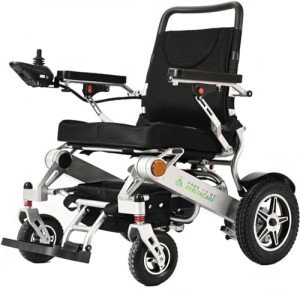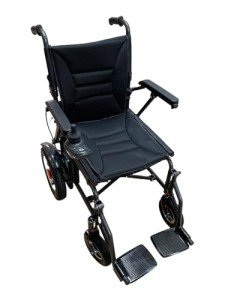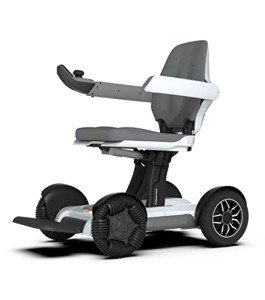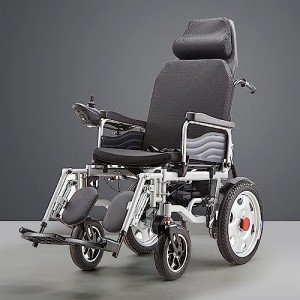

The landscape of personal mobility has undergone a radical transformation over the last decade. Gone are the days when power-operated wheelchairs were bulky, lead-acid-dependent machines that required specialized vans for transport. The modern era of mobility is defined by the "Folding Electric Powerchair"—a device that combines structural portability with high-performance electronics. At the heart of this innovation lies the energy source, and few names carry as much weight in the world of energy storage as Panasonic.
This guide explores the intricate details, benefits, and technical specifications of folding electric powerchairs equipped with Panasonic battery systems, providing an informative overview for users, caregivers, and mobility specialists.
The Intersection of Portability and Power
A folding electric powerchair is designed to bridge the gap between manual wheelchairs and traditional heavy-duty power chairs. The primary goal is to provide autonomy to individuals with limited mobility while ensuring the device can be easily stored in the trunk of a standard sedan or taken on an airplane.
The integration of Panasonic lithium-ion batteries is a game-changer for this industry. Panasonic, a global leader in battery technology (and a key supplier for high-end electric vehicles), provides cells that offer higher energy density, enhanced safety protocols, and longer lifespans than generic alternatives.
Why the Battery Brand Matters
Many consumers focus solely on the chair's frame or weight. However, the battery is the "engine" of the device. Choosing a powerchair with a Panasonic battery ensures:
- Consistency: Stable power output even as the charge level drops.
- Longevity: More charge cycles before the battery begins to degrade.
- Safety: Integrated protection against overcharging and thermal runaway.
Technical Specifications and Features
When evaluating a folding electric powerchair, the technical data provides the most objective measure of performance. Below is a detailed look at the typical specifications for a high-end model featuring Panasonic technology.
Table 1: Technical Specifications Overview
| Feature | Specification Detail |
|---|---|
| Battery Type | Panasonic Lithium-Ion (Standard 24V) |
| Frame Material | Aerospace-grade Aluminum Alloy |
| Weight Capacity | 265 lbs - 330 lbs (120 - 150 kg) |
| Net Weight (w/o battery) | 50 lbs - 60 lbs (23 - 27 kg) |
| Max Speed | 4 mph - 5 mph (6 - 8 km/h) |
| Driving Range | 12 - 18 miles per full charge |
| Motor Type | Dual Brushless DC Motors (250W x 2) |
| Folding Time | 3 to 5 seconds |
| Braking System | Electromagnetic Intelligent Braking |
Key Advantages of the Panasonic Battery System
The choice of energy storage directly impacts the user’s daily experience. Panasonic batteries are renowned for their chemical stability and reliability. Compared to standard Lead-Acid or lower-grade Lithium-Ion cells, they offer several distinct advantages.
1. Airplane Compliance and Lightweight Design
Most folding powerchairs equipped with Panasonic batteries utilize a specific "Travel-Safe" capacity (usually 10Ah to 20Ah). Because Panasonic cells are incredibly energy-dense, they can hold a significant charge in a small, lightweight package. This allows the chair to remain under the weight limit for most airline regulations regarding lithium batteries in the cabin or cargo hold.
2. Rapid Charging Capabilities
Standard batteries can take 8 to 12 hours to reach full capacity. Panasonic’s advanced cell chemistry allows for faster "flash charging" without compromising the integrity of the battery. Many models can reach an 80% charge in under 4 hours.
3. Temperature Resistance
Mobility devices are used in various climates. Panasonic batteries are engineered to perform consistently in both cold winter conditions and high-summer heat, preventing the sudden "power drops" that plague inferior brands.
Comparative Analysis: Panasonic vs. Generic Batteries
To understand the value proposition, it is helpful to compare the industry leader against standard entry-level battery options found in budget powerchairs.
Table 2: Battery Comparison Matrix
| Feature | Panasonic Lithium-Ion | Generic Lithium-Ion | Lead-Acid (SLA) |
|---|---|---|---|
| Life Cycle | 1,000+ Cycles | 300 - 500 Cycles | 200 - 300 Cycles |
| Weight | Very Light (approx. 4-6 lbs) | Light (approx. 6-8 lbs) | Very Heavy (20+ lbs) |
| Energy Density | High | Medium | Low |
| Safety Certification | UL, CE, UN38.3 | Varies | Low Risk (but bulky) |
| Cost | Higher Initial Investment | Moderate | Low |
| Maintenance | Zero Maintenance | Zero Maintenance | High (must keep charged) |
Design and Ergonomics: The Folding Mechanism
The "Folding" aspect of these powerchairs is facilitated by a scissor-frame design or a one-touch electronic folding system. Users or caregivers can collapse the chair into a footprint similar to a large suitcase.
Benefits of the Modern Folding Design:
- No Disassembly Required: Unlike older models, the battery, motors, and seat do not need to be removed to fold the unit.
- Compact Storage: Fits easily in closets, under beds, or in the corner of a restaurant.
- Indoor/Outdoor Versatility: These chairs are typically equipped with high-torque brushless motors, making them capable of handling grass, gravel, and small curbs, as well as tight indoor hallways.
Maintenance and Best Practices
To ensure the longevity of a folding electric powerchair, especially one with a premium Panasonic battery, certain maintenance protocols should be followed.
Essential Maintenance Checklist:
- Battery Care: Charge the battery at least once a month if the chair is not in regular use to prevent deep discharge.
- Tire Pressure: If the model has pneumatic tires, maintain the recommended PSI for optimal battery range. (Note: Many modern models use solid "honeycomb" tires to prevent flats).
- Joystick Protection: The joystick is the "brain" of the chair. Ensure it is covered or wiped down immediately if exposed to rain.
- Hinge Lubrication: Periodically check the folding joints for debris and apply a silicone-based lubricant if the folding action feels stiff.
- Tighten Bolts: Monthly inspections of the frame bolts ensure the structural integrity remains intact after navigating bumpy terrain.
Frequently Asked Questions (FAQ)
Can I take a Panasonic-powered powerchair on a plane?
Yes, most folding powerchairs using Panasonic lithium batteries are designed with airline travel in mind. However, it is essential to check the specific Watt-hour (Wh) rating. Most airlines allow batteries up to 300Wh for mobility devices, but it is always recommended to notify the airline 48 hours in advance.
How long does the battery actually last?
Under normal usage conditions, a Panasonic lithium battery typically lasts between 3 to 5 years before a significant drop in capacity is noticed. This is nearly double the lifespan of generic batteries.
Is the chair difficult to operate for seniors?
The majority of these chairs use a 360-degree joystick controller. It is highly intuitive; pushing the stick in the desired direction moves the chair, and letting go engages the electromagnetic brakes immediately. Most models also feature a "speed governor" to limit the top speed for indoor use.
Can the battery be charged off-board?
Yes, most high-end folding powerchairs allow the battery to be removed so it can be charged inside the house while the chair remains in a garage or the trunk of a car.
What happens if the battery dies while I am out?
Most folding electric powerchairs feature a "Freewheel" or "Manual" mode. By flipping a lever on the motors, the electromagnetic brakes are disengaged, allowing a companion to push the chair like a standard manual wheelchair.
The marriage of Panasonic’s sophisticated battery technology with the structural flexibility of a folding powerchair represents the pinnacle of modern mobility. For individuals seeking to maintain an active lifestyle—whether that includes traveling abroad, visiting local parks, or simply navigating a home environment—this technology offers a level of reliability and ease of use that was previously unavailable. While the initial investment in a Panasonic-powered device may be higher, the long-term benefits of safety, durability, and performance make it the gold standard for personal mobility solutions.