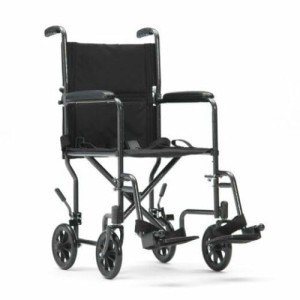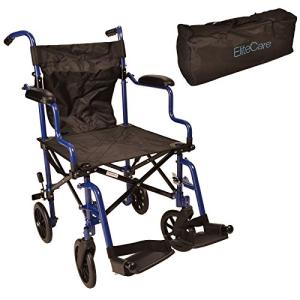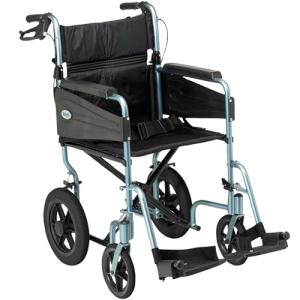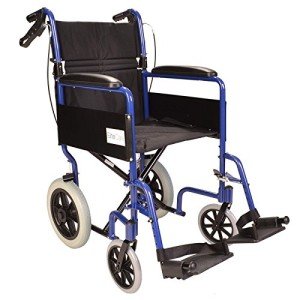

Mobility is a fundamental aspect of human independence. For individuals with limited mobility, whether due to age, injury, or chronic conditions, the right equipment can make the difference between isolation and active participation in society. Among the various options available, folding lightweight wheelchairs have emerged as a premier choice for both adults and children. These devices bridge the gap between heavy-duty durability and the portability required for modern, on-the-go lifestyles.
This guide explores the intricate details of folding lightweight wheelchairs, comparing adult and pediatric models, and outlining what users and caregivers should look for when making a selection.
Understanding the Folding Lightweight Wheelchair
A lightweight wheelchair is typically defined as one that weighs between 25 and 36 pounds, whereas "ultra-lightweight" models can weigh less than 20 pounds. In contrast, standard manual wheelchairs can weigh 40 pounds or more. The "folding" aspect refers to a frame design—usually involving a cross-brace—that allows the chair to collapse horizontally, making it easy to store in car trunks or narrow closets.
Why Weight and Folding Matter
For the user, a lighter chair requires less energy to propel, reducing the risk of strain on the shoulders and wrists. For the caregiver, a folding lightweight chair reduces the physical burden of lifting and transporting the device. This is particularly crucial for families traveling with children or for elderly spouses who may have their own physical limitations.
Comparison of Materials and Durability
The frame material is the primary factor determining a wheelchair's weight, strength, and price. Manufacturers utilize various metals to achieve a balance between these factors.
Table 1: Frame Material Comparison
| Material | Weight | Durability | Cost | Best For |
|---|---|---|---|---|
| Steel | High (Heavy) | Very High | Low | Short-term use, hospital settings |
| Aluminum | Medium-Low | High | Moderate | Everyday use, travel, active lifestyles |
| Titanium | Low | Extremely High | High | Long-term use, high performance |
| Carbon Fiber | Very Low | High (but brittle) | Very High | Maximum portability, elite users |
Lightweight Wheelchairs for Adults: Key Considerations
Adult wheelchairs are designed with ergonomics and long-term comfort in mind. Since adults have reached their full physical stature, the focus is on fitting the chair to their specific body type and lifestyle needs.
1. Ergonomic Support
Manual lightweight chairs for adults often feature contoured backrests and adjustable armrests. Proper lumbar support is essential to prevent secondary complications like pressure sores or spinal misalignment during prolonged use.
2. Weight Capacity
Standard lightweight chairs usually support up to 250 lbs. However, "bariatric" lightweight models are available for larger users, utilizing reinforced aluminum frames to maintain a lower overall weight while supporting up to 450 lbs.
3. Wheel Configuration
Most adult models feature large rear wheels (22–24 inches) with hand rims, allowing the user to self-propel. If the user relies entirely on a caregiver, "transport" versions with four small wheels are also available, which are even lighter.
Pediatric Lightweight Wheelchairs: Designed for Growth
Children have unique needs that differ significantly from adults. A wheelchair for a child is not just a smaller version of an adult chair; it is an adaptive tool designed to support developmental milestones.
"Growth-Ready" Frames
Because children grow rapidly, many pediatric folding wheelchairs come with "growth kits." This allows the seat width and depth to be adjusted over time, ensuring the chair can last several years rather than being replaced every few months.
Aesthetics and Psychosocial Impact
For children, the appearance of the wheelchair matters. Manufacturers often offer pediatric frames in bright, customizable colors. This helps minimize the medical stigma of the device and encourages the child to feel a sense of ownership and pride in their mobility tool.
Table 2: Adult vs. Pediatric Folding Wheelchairs
| Feature | Adult Models | Pediatric Models |
|---|---|---|
| Seat Width | 16" to 20" (Standard) | 10" to 14" (Standard) |
| Adjustability | Focus on posture/angle | Focus on growth/size extension |
| Weight Limit | 250 - 450 lbs | 100 - 165 lbs |
| Color Options | Neutral (Black, Silver, Blue) | Vibrant (Red, Pink, Yellow, Custom) |
| Footrests | Swing-away or Elevating | Height-adjustable for short legs |
Essential Features to Look For
When selecting a folding lightweight wheelchair, several features contribute to its overall utility and ease of use:
- Quick-Release Wheels: Many high-end lightweight chairs allow the large rear wheels to be removed with the push of a button. This reduces the weight further and makes the frame even more compact for transport.
- Flip-Back Armrests: These are crucial for side transfers (moving from the chair to a bed or car seat).
- Breathable Upholstery: Nylon or mesh fabrics prevent heat buildup, which is vital for users who spend many hours in the chair.
- Anti-Tippers: Small wheels at the back that prevent the chair from flipping backward on inclines.
- Dual-Axle Positions: This allows the seat height to be adjusted, enabling the user to "hemi-propel" (using one foot to help move the chair).
The Benefits of a Folding Mechanism
The cross-brace folding mechanism is the most common design for portable chairs. While rigid wheelchairs (which do not fold in the middle) are often slightly lighter, the folding design offers specific advantages:
- Vehicle Compatibility: A folding chair can easily fit into the trunk of a compact car or even behind the front seat, eliminating the need for expensive van conversions or external racks.
- Air Travel Ease: Folding chairs are easier for airline staff to stow in the cabin's dedicated storage or gate-check without damage.
- Home Storage: For part-time users (such as those who only need a chair for long distances), the ability to fold the chair and tuck it behind a door is a significant space-saver.
Maintenance and Longevity
To ensure the safety and longevity of a lightweight wheelchair, a regular maintenance schedule should be followed.
Maintenance Checklist:
- Weekly: Check tire pressure (for pneumatic tires) and ensure the brakes lock securely.
- Monthly: Clean the frame with a damp cloth and check for any loose bolts or fraying upholstery.
- Every 6 Months: Inspect the folding mechanism and cross-brace for cracks or signs of metal fatigue. Lubricate moving joints if necessary.
- Annually: Have a professional technician check the wheel alignment and bearing health.
Frequently Asked Questions (FAQ)
1. Does insurance cover lightweight folding wheelchairs?
In many cases, yes. Most insurance providers, including Medicare, will cover a "standard" wheelchair. If a "lightweight" or "ultra-light" model is medically necessary (e.g., the user cannot propel a heavier chair due to weakness), a doctor’s prescription and clinical documentation are required.
2. Can these wheelchairs be used on uneven terrain?
Lightweight folding wheelchairs are primarily designed for flat surfaces like pavement, tile, or low-pile carpet. While they can handle some outdoor use, they are not "off-road" chairs. For uneven terrain, users should look for models with larger front casters and pneumatic (air-filled) tires to absorb shock.
3. How do I know what seat width to choose?
For adults, measure the widest part of the hips and add 1 to 2 inches for comfort and clothing. For children, it is best to consult with a Physical Therapist (PT) or Occupational Therapist (OT) to ensure proper positioning and room for growth.
4. What is the difference between a transport chair and a lightweight wheelchair?
A transport chair has four small wheels and must be pushed by a caregiver. A lightweight wheelchair has two large rear wheels, allowing the user to propel themselves.
5. Are folding wheelchairs less durable than rigid ones?
While the folding mechanism introduces more moving parts, modern engineering ensures that folding chairs are highly durable. However, a rigid chair will generally feel slightly more "responsive" because energy is not lost through the movement of the folding joints.
Choosing a folding lightweight wheelchair is an investment in freedom. Whether for an adult seeking to maintain an active social life or a child exploring their environment, these chairs offer the perfect blend of functionality and portability. By understanding the materials, sizing requirements, and key features available, users and caregivers can select a mobility solution that provides comfort and independence for years to come. Always consult with a healthcare professional to ensure the chosen model meets the specific clinical needs of the individual.